What Is a Water Filter Pitcher & How Does It Work?
This post contains affiliate links. As an Amazon Associate, we earn from qualifying purchases.
That unmistakable swimming pool smell in your tap water? A water filter pitcher promises cleaner, better-tasting hydration without plumbing modifications or expensive installations. But what exactly is this countertop hero, and how does it transform questionable tap water into something you’ll actually enjoy drinking? Understanding what a water filter pitcher is and how water filter pitchers work separates marketing hype from real-world performance for your specific water quality needs.
Water filter pitchers aren’t magic—they’re clever applications of filtration science in a portable container. These systems use gravity and specialized media to target common municipal water issues, primarily chlorine and select heavy metals. While they won’t make well water safe or remove fluoride, they deliver tangible improvements for many households. Let’s dissect exactly how these ubiquitous kitchen tools operate and whether they solve your water problems.
How Water Filter Pitchers’ Dual-Chamber Design Actually Works
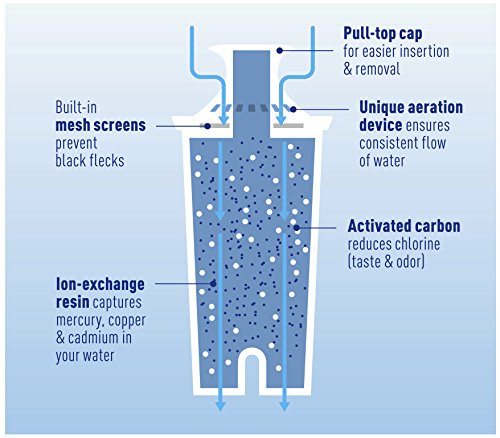
Every water filter pitcher relies on a simple yet brilliant two-part structure. The upper reservoir holds your unfiltered tap water, while the lower chamber collects purified water ready for pouring. Between them sits the critical component: a replaceable filter cartridge that water must pass through to reach your glass.
Why Gravity Flow Beats Electricity for Countertop Filtration
Unlike under-sink systems requiring power, water filter pitchers harness gravity as their engine. When you pour tap water into the top chamber, gravity pulls it downward through the filter cartridge. This passive process eliminates installation hassles and energy costs while providing sufficient contact time—typically 2-6 minutes—for effective contaminant removal. No pumps mean no noise, no cords, and perfect portability for apartments or travel.
Filter Cartridge Anatomy: More Than Just Carbon
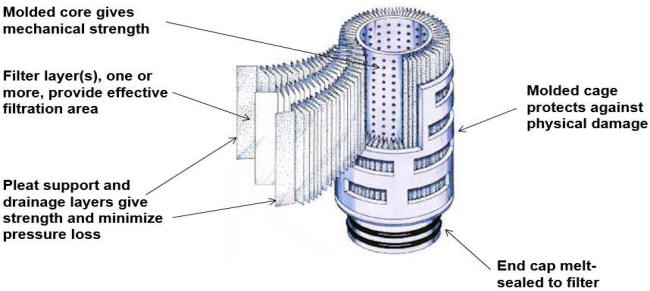
Peek inside a filter cartridge, and you’ll find layered defense systems:
– Activated carbon core: Made from coconut shells or coal, its microscopic pores trap chlorine and organic compounds like a magnet
– Ion exchange resin: Advanced filters add this layer to swap harmful lead and mercury ions with harmless alternatives
– Pre-filter screen: A fine mesh catches visible sediment before it clogs the carbon
This multi-stage approach explains why premium filters remove more contaminants than basic models. Brita Elite and ZeroWater pitchers, for instance, achieve NSF 53 certification for lead reduction through this enhanced media blend.
Contaminants Water Filter Pitchers Actually Remove (and What They Can’t)
Don’t believe claims that these pitchers “purify” all water. Their capabilities are specific and scientifically verified through certifications. Here’s exactly what you can expect:
What They Effectively Target
- Chlorine (90-99% reduction): Eliminates that chemical taste and smell, making water actually pleasant to drink
- Lead (up to 99% in certified models): Critical protection if you have pre-1986 plumbing
- Mercury & cadmium: Heavy metals from industrial runoff captured by ion exchange resins
- Sediment: Particles down to 0.5 microns removed by the pre-filter screen
Critical Limitations You Must Know
| Contaminant | Removal Capability | Why It Matters |
|---|---|---|
| Bacteria/Viruses | None | Unsafe for well water or contaminated sources |
| Fluoride | Minimal to none | Requires specialty filters like bone char |
| PFAS chemicals | Limited (ZeroWater only for PFOA/PFOS) | Most pitchers offer no meaningful protection |
| Hard water minerals | None | Calcium/magnesium remain intact |
| Pharmaceuticals | Generally ineffective | Not designed for emerging contaminants |
Pro Tip: Always check for NSF/ANSI 42 (chlorine reduction) or 53 (health contaminants) certification labels. Without these, performance claims are unverified marketing fluff.
Why Your Pitcher Filters Water So Slowly (And When to Worry)
That 2-6 minute wait per cup isn’t a design flaw—it’s necessary physics. Water must spend enough time in contact with the carbon for adsorption to occur. But certain red flags indicate real problems:
Normal vs. Problematic Flow Rates
- Standard pace: 2-3 minutes per cup for basic filters (Brita Standard)
- Premium pace: 4-6 minutes for advanced filters (Brita Longlast) due to denser media
- Danger zone: Takes >10 minutes? Your filter’s clogged or expired—replace immediately
4 Signs Your Filter Has Failed
- Chlorine smell returns in filtered water
- Flow rate suddenly increases (indicates filter bypass)
- Black specks appear beyond initial rinsing (excessive carbon dust)
- Cloudy water emerges from the spout
Critical Warning: Never ignore replacement schedules. A spent filter not only stops working—it can leach trapped contaminants back into your water. Replace every 40 gallons or 2 months (whichever comes first), even if the water still tastes okay.
The Maintenance Mistake 90% of Users Make

Most people replace filters but neglect deep cleaning—a recipe for bacterial growth. Chlorine-free filtered water becomes a breeding ground for microbes in neglected pitchers. Here’s the non-negotiable routine:
Weekly Cleaning Protocol That Prevents Mold
- Disassemble completely: Remove lid, filter, and any internal parts
- Scrub reservoirs with warm soapy water and a bottle brush (pay special attention to spout crevices)
- Rinse thoroughly to eliminate soap residue
- Air-dry upright before reassembling
Pro Tip: Store your pitcher filled with filtered water in the refrigerator. Empty pitchers dry out filters, reducing effectiveness. If your filter dries completely, soak it in cold water for 15 minutes before reuse.
When Water Filter Pitchers Are Your Best Choice (and When to Skip Them)
These pitchers shine in specific scenarios but fail catastrophically in others. Match your needs to these real-world applications:
Ideal Use Cases
- Apartment renters needing no-install filtration
- Chlorine taste fixers in municipal water systems
- Lead protection for homes with old plumbing (use NSF 53 certified models)
- Bottled water reducers wanting eco-friendly hydration
- Office break rooms serving small teams
Critical Situations Where They Fail
- Well water users (requires pathogen testing first)
- Areas with known contamination (lead pipes, industrial runoff)
- Households needing >2 gallons/day (pitchers max out at 10 cups)
- Anyone requiring fluoride removal (specialty systems needed)
Hard Truth: If your water smells like rotten eggs (sulfur) or appears cloudy with sediment, pitchers won’t solve these issues. Get professional testing first.
Cost Breakdown: What You’ll Really Spend Annually
Water filter pitchers seem cheap upfront but carry hidden costs. Here’s the real math:
- Initial investment: $25 (basic Brita) to $90 (ZeroWater with 5-stage filter)
- Monthly filter cost: $5-$25 depending on model and replacement frequency
- Annual total: $60-$300 including pitcher replacements
While cheaper than bottled water ($0.10-$0.25/gallon vs. $1.50+), they cost 3-5x more per gallon than reverse osmosis systems. But for renters or low-volume users, they deliver unmatched convenience at reasonable cost.
Maximizing Your Pitcher’s Lifespan: Pro Techniques
Extend filter life and performance with these often-overlooked tactics:
- Pre-settle cloudy water for 10 minutes before pouring to reduce sediment load
- Use room-temperature tap water (cold water slows filtration and reduces effectiveness)
- Never pour boiling water—it damages carbon structure
- Ensure tight filter seating by twisting until you hear a click (prevents bypass)
Critical Reminder: Filtered water lacks chlorine’s antimicrobial protection. Consume refrigerated filtered water within 48 hours to prevent bacterial growth. Discard any pitcher left at room temperature overnight.
Water filter pitchers deliver real benefits for specific municipal water issues—primarily chlorine reduction and limited heavy metal removal. They work through scientifically validated gravity-fed filtration using activated carbon and ion exchange resins. But they’re not universal solutions. Their true value emerges when you match their capabilities to your actual water quality needs, maintain them rigorously, and recognize when more advanced systems become necessary. For most city dwellers seeking better-tasting drinking water without installation hassles, they remain the smartest first step toward cleaner hydration. Always verify your local water report first—you might not need what the pitcher actually provides.