Do Fridges Filter Water? How Water Filtration Works in Refrigerators
This post contains affiliate links. As an Amazon Associate, we earn from qualifying purchases.
You press your glass against the refrigerator dispenser, expecting crisp, cold water. But have you ever stopped to ask: do fridges filter water? Many homeowners assume their appliance magically purifies every drop, yet the truth depends entirely on your model and maintenance habits. Modern refrigerators with water dispensers or ice makers do filter water through built-in cartridges, but older or basic units without plumbing connections deliver straight tap water. Understanding this distinction ensures you’re drinking truly clean water—not just cold tap water passed through an expired filter. This guide cuts through the confusion with actionable steps to verify your system’s performance.
Which Fridges Actually Filter Water
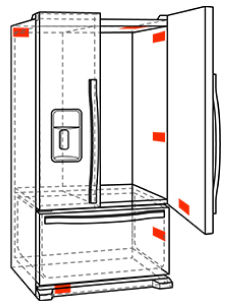
Only refrigerators with permanent water line connections contain filtration systems—typically found in models manufactured after 2005. If your fridge lacks a water dispenser or ice maker, it absolutely does not filter water. For units with these features, filters hide in three possible locations: inside the upper-right or lower-left compartment (twist-out cylinders), along the base grille (round cartridges), or inline on the supply tubing (small canisters).
Critical visual identification: Pull open your fridge door and examine corners for twist-lock cartridges. Check the base grille for recessed circular housings. No visible cartridge? Your water flows straight from municipal pipes. This explains why renters in older buildings often taste chlorine—do fridges filter water only when equipped with these specific components.
How Fridge Filtration Actually Works
Three-Stage Carbon Process Revealed
Every functional filter employs compressed activated carbon, creating microscopic pores that trap impurities through three distinct phases. First, sediment capture removes visible rust and sand particles as water enters the cartridge. Next, micro-filtration traps medium contaminants like cysts and sugar molecules in tighter carbon pores. Finally, chemical adsorption occurs as chlorine, pesticides, and pharmaceuticals chemically bond to carbon surfaces—this isn’t straining but molecular attraction.
Why Coconut Carbon Outperforms
Most premium filters use coconut-shell carbon instead of coal-based alternatives. This renewable material creates superior micropore density, explaining the $10-20 price difference between generic and OEM cartridges. When you do fridges filter water with coconut carbon, you get 30% better chlorine reduction and longer lifespan—visible as clearer ice cubes and absence of musty odors.
Contaminants Removed vs. Missed
What Your Filter Handles Well
Properly maintained filters significantly reduce:
– Chlorine and chloramines (99%+ reduction per NSF 42)
– Sediment like rust flakes and pipe scale
– Bad tastes from municipal treatment chemicals
– Lead (only in NSF 53-certified models)
– Pharmaceuticals (exclusively in NSF 401 filters)
Red flag: If your water tastes metallic after filter replacement, you likely have lead pipes—the filter alone can’t fix this systemic issue.
Critical Contaminants Still Present
Your fridge filter won’t touch these dangerous substances:
– Fluoride (intentionally added by municipalities)
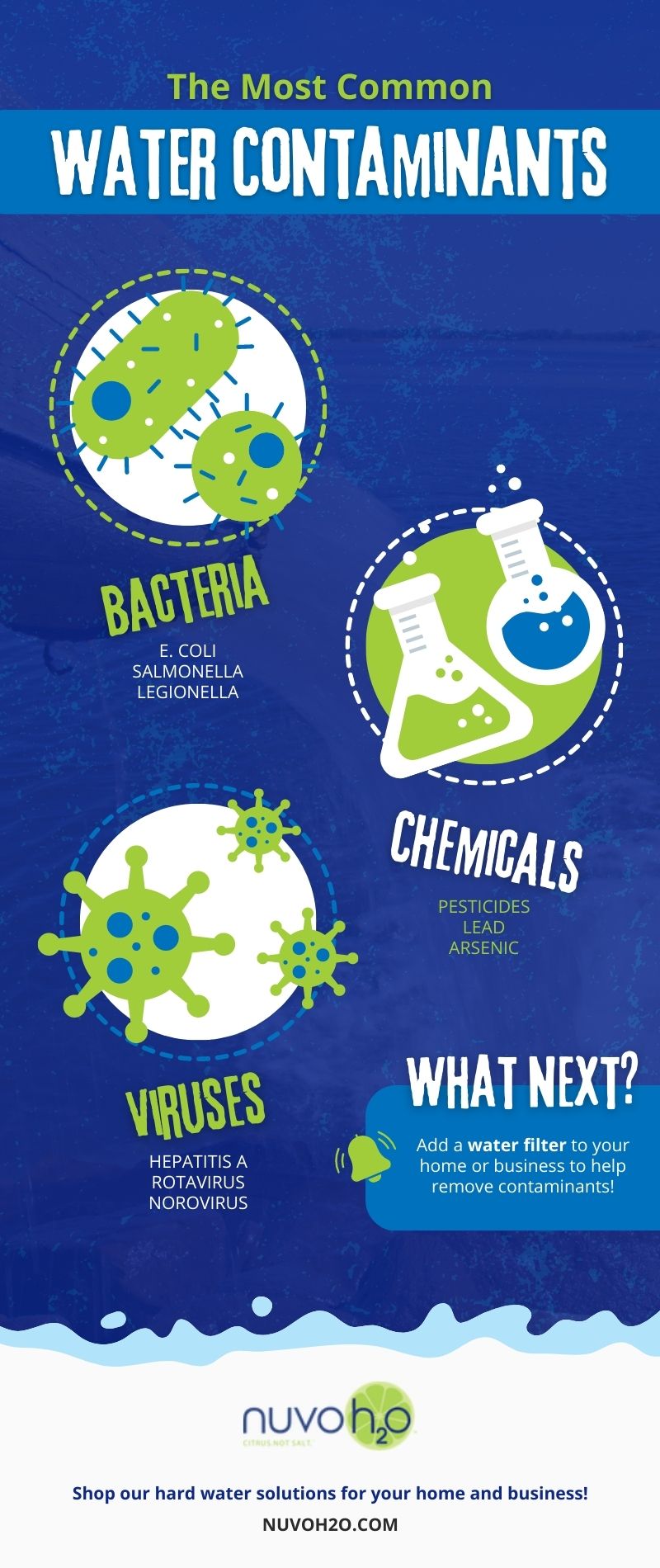
– Bacteria and viruses (including E. coli)
– Arsenic and chromium-6 (common in well water)
– Nitrates from agricultural runoff
– Microplastics (increasingly detected in tap water)
Urgent reality: If your water source shows these contaminants, do fridges filter water adequately? Absolutely not—you’ll need reverse osmosis.
NSF Certifications Decoded
Always verify these certification marks on your replacement filter—not just “NSF compatible” claims. Genuine NSF 42 filters reduce chlorine and sediment, while NSF 53 handles lead and VOCs. For pharmaceutical removal, NSF 401 is mandatory.
Costly mistake: Generic filters without NSF 372 certification may leach lead from housing materials. Spend $5 extra for verified cartridges—your health isn’t worth risking for false economy.
When to Replace Your Filter
Standard Replacement Schedule
Change filters every 6 months or 200-300 gallons—whichever comes first. Don’t trust indicator lights alone; they track time, not actual usage. A family of four using 5 gallons daily will exhaust a filter in 40 days, not 6 months.
Warning signs you waited too long:
– Water tastes like unfiltered tap again
– Ice cubes develop cloudy centers
– Flow rate drops below 0.5 gallons per minute
– Visible black carbon particles in water
Bypass Mode for Emergencies
Most systems allow filter removal for continued water access during replacements. Simply twist out the cartridge and insert the bypass plug (usually stored with new filters). Water flows unfiltered, but you won’t go thirsty—ideal for overnight emergencies.
Performance Limitations You Should Know
Fridge filters contain just 2-4 ounces of carbon—tiny compared to under-sink systems. This size constraint creates critical limitations:
– Insufficient contact time reduces contaminant removal
– No microbiological protection—bacteria thrive in stagnant filters
– Cold-water only dispensing limits cooking uses
– Small reservoirs (20-32 oz) cause slow refill during parties
Pro tip: If you regularly dispense >1 gallon at once, run water for 30 seconds first to flush warm lines from the reservoir.
Cleaning Your Dispenser System
NSF studies rank fridge dispensers among the top 5 germiest kitchen spots, harboring yeast and mold. Perform this annual deep-clean:
1. Shut off water supply behind the fridge
2. Flush lines with 1 cup vinegar/water solution
3. Scrub spout and tray with old toothbrush
4. Replace filter immediately after cleaning
Monthly shortcut: Wipe surfaces with diluted bleach (1 tbsp per quart water) to prevent biofilm buildup.
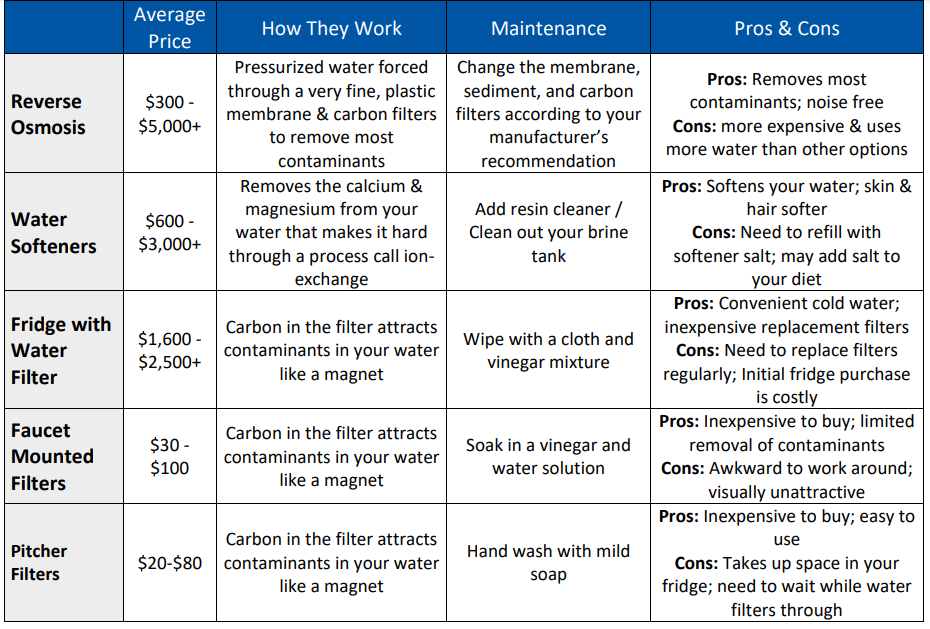
Comparing Fridge Filters to Alternatives
| System Type | Best For | Annual Cost | Key Limitation |
|---|---|---|---|
| Fridge Filter | Chlorine taste removal | $60-120 | Won’t remove fluoride or bacteria |
| Under-Sink Carbon | Families >4 people | $100-300 | Requires cabinet space |
| Reverse Osmosis | Well water or lead pipes | $200-600 | Wastes 3-5 gallons per filtered gallon |
| Water Pitcher | Renters or minimal use | $80-160 | Low capacity (40 gal max) |
Decision trigger: Upgrade if your water report shows >15 ppb lead or you notice persistent cloudiness in ice.
Testing Your Water Quality
Quick Home Verification
- Chlorine strips: Dip for 30 seconds—blue color indicates safe levels
- TDS meter: Readings >250 ppm suggest mineral buildup
- Lead test kits: Mail-in kits cost $25 and detect levels as low as 5 ppb
Critical step: Always test after installing a new filter to verify performance—many users unknowingly drink contaminated water due to faulty cartridges.
Economic Reality Check
Fridge filters cost $0.25-0.30 per gallon—10x pricier than reverse osmosis systems ($0.02-0.05/gal). For homes using >300 gallons monthly, upgrading to under-sink filtration pays back in 18 months.
Budget hack: If your fridge lacks plumbing, install an inline filter ($30) plus professional water line ($150)—cheaper than replacing the entire unit.
Safety During Water Advisories
Critical warning: During boil-water notices, refrigerator filters provide zero protection against pathogens. Always boil water first, then cool it before dispensing. For well water users, install whole-house UV disinfection upstream of your fridge—otherwise, you’re drinking unfiltered groundwater.
Quick Action Checklist
- [ ] Identify: Locate your filter (check manual if unsure)
- [ ] Verify: Confirm NSF marks on replacement cartridges
- [ ] Schedule: Set phone reminders for 6-month replacements
- [ ] Sanitize: Clean dispenser monthly with vinegar solution
- [ ] Test: Run home water test annually
- [ ] Upgrade: Install RO system if lead >15 ppb
Final Verdict
Do fridges filter water? Yes—but only specific models with intact, certified cartridges actively improve water quality. For standard municipal supplies meeting EPA standards, they effectively remove chlorine and sediment. However, they fail completely against bacteria, fluoride, and heavy metals like arsenic. Your next step? Check your filter’s NSF certification and run a $15 chlorine test strip. If results show contamination beyond your filter’s capabilities, upgrade to reverse osmosis—because cold water isn’t worth risking your health. Remember: proper filtration isn’t about convenience; it’s about ensuring every glass you pour is truly clean.