How a Fridge Water Filter Works: Simple Guide
This post contains affiliate links. As an Amazon Associate, we earn from qualifying purchases.
That $50 cartridge hiding in your refrigerator door silently processes every glass of water and ice cube you consume. But what actually happens inside that plastic shell when you press the dispenser? Understanding how does a fridge water filter work transforms a routine replacement from a mystery into informed maintenance—ensuring your family gets genuinely clean water while avoiding costly mistakes. This isn’t just about taste; it’s about knowing exactly what your filter can and cannot remove from your drinking water.
Your fridge filter operates as a critical point-of-use barrier, positioned after your home’s main plumbing but before water reaches your glass. Unlike whole-house systems, it targets only water for drinking and ice, focusing on two key goals: eliminating unpleasant chlorine taste and odor, and reducing specific health contaminants like lead and pesticides. Crucially, it leaves beneficial minerals intact while tackling pollutants that matter most at your water source—making it a precision tool, not a full-home solution.
Where Your Fridge Filter Lives and Why It Matters
Your refrigerator’s filter sits in one of four strategic locations: tucked in the upper-right interior (Samsung, LG, Whirlpool), hidden behind a lower front grille (twist-out canisters), mounted on the ceiling (older Amana/Maytag), or installed externally behind the appliance. This placement ensures it only treats water destined for consumption—not your shower or dishwasher.
Why Point-of-Use Design Wins
- Targeted protection: Filters just 1-2% of household water, optimizing cost and efficiency
- No plumbing overhaul: Installs without modifying main water lines
- Immediate impact: Fresh water starts flowing the moment you replace the cartridge
- Pressure preservation: Maintains household water pressure (20-120 psi) for instant dispensing
This strategic positioning explains why your ice tastes clean while your bathwater remains untreated—a smart compromise between convenience and safety.
Activated Carbon: The Unsung Hero Inside Every Filter
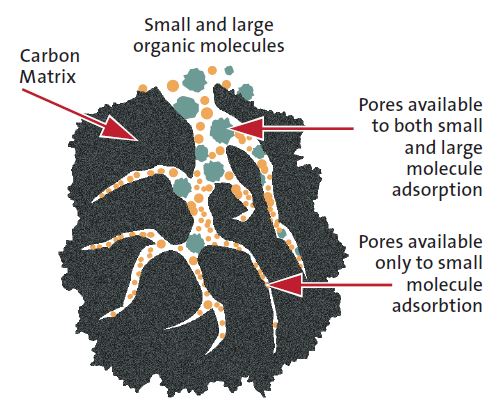
Every refrigerator filter relies on activated carbon—but this isn’t your backyard grill charcoal. Specially processed from coconut shells (most common) or coal, it develops microscopic pores creating massive surface area exceeding 1,000 square meters per gram. This carbon comes in two forms:
Granular vs. Carbon Block: Performance Breakdown
- Granular Activated Carbon (GAC): Loose granules allow faster flow but create channeling paths where water bypasses filtration. Best for basic chlorine removal.
- Carbon Block: Compressed carbon forms a dense cylinder with finer pores (0.5-5 microns), trapping more contaminants including cysts. Found in premium NSF/ANSI 53-certified filters.
Coconut shell carbon outperforms coal-based alternatives in sustainability and contaminant adsorption—proving your filter’s eco-credentials directly impact performance.
The Three-Stage Filtration Journey Explained

Water undergoes a precise purification sequence as it passes through your cartridge:
Stage 1: Particle Filtration (0.5-5 Micron Barrier)
An outer mesh or pre-filter catches visible debris like rust flakes and sand. This critical first step prevents premature carbon clogging and protects your fridge’s delicate internal valves from damage.
Stage 2: Micro-Filtration (Mechanical Sieving)
Water then flows through carbon pores sized between 0.5-5 microns, physically blocking medium contaminants. This stage captures waterborne cysts like Giardia and Cryptosporidium—organisms too small for your eyes but large enough to make you sick.
Stage 3: Adsorption Filtration (Chemical Bonding)
The real magic happens here through adsorption (not absorption). Contaminants chemically bond to the carbon’s vast surface area: chlorine transforms into harmless chloride, VOCs stick to pores, and lead ions get captured by optional ion-exchange resins. This stage requires 0.5-0.75 gallons per minute flow rate to maximize contact time.
What Your Filter Removes (and What It Can’t)

Contaminants Reduced ≥90% When New
- Chlorine/chloramine: Primary target for taste/odor improvement (NSF/ANSI 42)
- Lead & mercury: Only with NSF/ANSI 53 certification
- Benzene, MTBE, atrazine: Specific VOCs and pesticides under NSF/ANSI 53
- Pharmaceutical traces: Limited list including ibuprofen (NSF/ANSI 401)
- Sediment: Particles ≥0.5 microns (Class I per NSF/ANSI 42)
Critical Limitations to Know
- Total Dissolved Solids (TDS): Minerals, salts, and fluoride pass through unaffected
- Arsenic, chromium-6, nitrates: Require reverse osmosis systems
- Bacteria & viruses: No disinfection capability—filters aren’t purifiers
- Asbestos fibers: Needs sub-micron membrane filtration
Never assume your filter handles everything—its specialty is specific pollutants in municipal water.
Decoding NSF Certifications: Your Filter’s Report Card
Look for these essential marks on packaging:
– NSF/ANSI 42: Confirms chlorine reduction and particulate removal
– NSF/ANSI 53: Verifies lead and VOC reduction (non-negotiable for health protection)
– NSF/ANSI 372: Guarantees lead-free filter construction
– NSF/ANSI 401: Covers emerging contaminants like pharmaceuticals
Filters with both 42 and 53 certifications provide comprehensive protection. Without them, you’re gambling with water quality—counterfeit cartridges ($8-$15) may leach arsenic or fail completely.
Flow Rate, Capacity, and Replacement Timing
Your filter processes water at 0.5-0.75 gallons per minute under standard 60 psi pressure—fast enough for instant dispensing but slow enough for effective adsorption. Replace every 6 months or 200-300 gallons, whichever comes first. High-usage households (large families, frequent entertaining) often hit the gallon limit before 6 months, while low-usage homes still need replacement due to bacterial growth risks past the date.
Warning: A 2013 NSF study found overdue filters turn dispensers into the #1 bacteria hotspot in kitchens, with mold and yeast counts spiking dangerously.
Installing and Replacing Your Filter Correctly
Finding Your Cartridge
Check these common locations:
– Upper-right interior compartment
– Lower front grille (push-button style)
– Ceiling-mounted drop-down housing
– External inline housing behind appliance
Foolproof Replacement Steps
- Depressurize: Dispense 2-3 cups of water
- Remove: Twist ¼-turn counter-clockwise or press release button
- Install: Align arrows, insert fully, twist ¼-turn clockwise
- Flush: Run 2-4 gallons (≈5 minutes) to purge carbon fines
- Reset: Hold filter indicator button for 3 seconds
Pro tip: Always keep your bypass plug (≈$30) if switching to whole-house filtration—it’s a one-time purchase for emergencies.
Bypass Mode: When Unfiltered Water Flows
Bypass mode activates automatically when removing filters on Samsung/LG models but requires a plug on Whirlpool/GE units. Critical warning: This delivers unfiltered water—safe only if your municipal supply meets EPA standards or you have whole-house treatment. Never use bypass mode as a long-term solution.
Troubleshooting Filter Failures
Slow Water Flow? Replace Immediately
Even if under 6 months old, sediment-heavy water clogs filters fast. Don’t wait—saturation reduces contaminant removal.
Black Flecks in Water? Flush Thoroughly
Normal carbon dust appears after installation. Run 2-4 gallons until clear. Persistent flecks indicate filter damage—replace immediately.
Small Ice Cubes? Check Two Things
- Clogged filter reducing water pressure
- Household pressure below 20 psi (use a gauge to verify)
Long-Term Costs vs. Counterfeit Risks
Over a 13-year refrigerator lifespan, you’ll spend ≈$1,250 on genuine filters ($50 x 25 cartridges). While tempting, counterfeit filters ($8-$15) pose serious risks: NSF testing reveals some leach arsenic or fail to reduce lead. Always verify:
– Model-specific part numbers (everydrop®, HAF-CIN, LT700P)
– Authentic NSF certification marks
– Purchase from manufacturer or authorized retailers
Filter Maintenance Must-Dos
- Store spares properly: Sealed wrapper, below 80°F, away from solvents
- Flush new filters: 2-4 gallons before first use
- Set calendar alerts: For 6-month replacement deadlines
- Discard first ice batches: After filter changes
Skipping these steps degrades performance and risks bacterial contamination.
Fridge Filter vs. Alternatives: Quick Reality Check
| Feature | Fridge Filter | Under-Sink RO | Pitcher Filter |
|---|---|---|---|
| Lead Removal | ✅ (NSF 53 only) | ✅ | ✅ |
| Bacteria Removal | ❌ | ✅ | ❌ |
| Flow Convenience | Instant | Instant (with tank) | 10-20 min wait |
| Annual Cost | $100 | $75-$150 | $42-$90 |
| Space Required | Built-in | Under sink | Counter space |
Fridge filters win for convenience but lose against comprehensive contaminants—choose based on your water test results.
Your Filter Maintenance Checklist
Before replacing, always:
– ✅ Verify NSF 42 + 53 certification on packaging
– ✅ Match exact model number to your fridge
– ✅ Flush 2-4 gallons after installation
– ✅ Reset indicator light per manufacturer instructions
– ✅ Keep bypass plug accessible for emergencies
Understanding how does a fridge water filter work turns passive maintenance into active protection. By recognizing its precise capabilities—chlorine and lead reduction through activated carbon adsorption—you ensure every glass meets safety standards without overspending on unnecessary features. Remember: a properly maintained filter is your first defense against tap water contaminants, but it’s not magic. Pair it with certified replacements and timely changes to keep your family’s water truly clean.