Portable Water Filter Cartridges Explained
This post contains affiliate links. As an Amazon Associate, we earn from qualifying purchases.
You’re miles from civilization, your water bottle’s empty, and the only water source is a murky stream. This is where portable water filter cartridges become your lifeline. These compact powerhouses transform questionable water into safe drinking water in seconds, making them essential gear for hikers, travelers, and emergency preparedness. What are portable water filter cartridges? They’re the replaceable hearts of portable water purification systems—the critical component that physically removes contaminants from water sources, turning wilderness streams, questionable tap water, or emergency supplies into safe hydration. Unlike permanent home filtration systems, these cartridges pack multi-stage filtration into a package smaller than your water bottle.
How Portable Water Filter Cartridges Actually Work
The Multi-Stage Filtration Process Inside
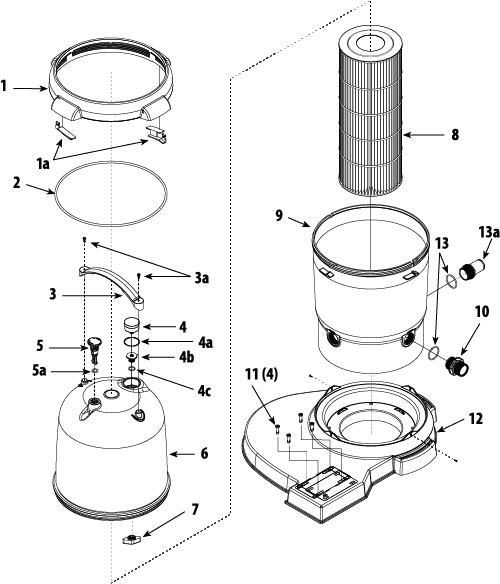
Water enters through engineered channels that distribute flow evenly across all filter media. First, a 100-200 micron pre-filter mesh catches leaves, sand, and visible debris—your first line of defense against large particles. Next, water hits hollow fiber membranes with microscopic 0.1-0.2 micron pores that block bacteria and protozoa while allowing water molecules through. The activated carbon core then tackles chemicals and improves taste by removing chlorine and organic compounds. Finally, ion exchange resins specifically target heavy metals like lead and mercury, while antimicrobial layers with silver-impregnated materials prevent bacterial growth inside the cartridge itself.
Why Physical Construction Matters
These cartridges measure just 2-4 inches in diameter and 4-8 inches in length, fitting perfectly in your hand. The durable polymer outer shell features integrated O-ring seals that prevent water from bypassing the filter. Inside, a rigid central core maintains structural integrity even under pressure from pump systems. Never underestimate how engineering affects performance—water flows through precisely engineered channels ensuring uniform distribution across all filter media. End caps feature either threaded connections for pump systems or snap-fit designs for gravity-fed units, with every component serving dual purposes: durable enough for field use yet compact enough for backpacking.
Critical Performance Metrics You Must Know

What Contaminants These Cartridges Actually Remove
Portable water filter cartridges achieve remarkable results: ≥99.9999% bacteria removal (that’s a 6-log reduction), eliminating dangerous pathogens like E. coli, Salmonella, and Cholera. Protozoa like Giardia and Cryptosporidium face ≥99.9% removal rates. Virus effectiveness varies by pore size, with ultrafiltration models reaching 99.99% removal. Chemical contaminants don’t stand a chance either—chlorine reduction exceeds 90%, pesticides and herbicides see >85% removal, and heavy metals like lead, mercury, and arsenic drop by >95%. The cartridges even tackle microplastics and sediment down to 0.1 micron with 99% turbidity reduction.
Flow Rate Realities for On-the-Go Use
Standard cartridges deliver 1-2 liters per minute under optimal pressure—fast enough to fill your bottle during a quick break. High-flow models pump 3-4 liters per minute, perfect for group camping scenarios. Gravity-fed systems work more slowly at 0.5-1.5 liters per minute, but require no pumping effort, making them ideal when you’re exhausted after a long hike. Your water source quality dramatically affects flow rates—murky river water will slow filtration significantly compared to clear mountain streams, so adjust your expectations based on conditions.
Matching Cartridge Types to Your Specific Needs
Hollow Fiber Membrane Systems for Wilderness Use
These cartridges use bundled hollow fibers as microscopic straws where water flows through the fiber walls while contaminants remain trapped inside. The beauty? You can backflush them—reversing water flow to clean accumulated debris—which extends service life from 500 to 2,000 liters depending on water quality. This technology needs no chemicals, just water pressure—you can squeeze bottles, use gravity, or pump—the hollow fibers don’t care. They’re the most versatile option for wilderness use, working equally well in clear mountain streams or murky pond water.
Ceramic and Carbon Options for Specific Situations
Ceramic cartridges use porous ceramic material integrated with silver particles. Their 0.2-0.5 micron pores block contaminants while the silver prevents bacterial colonization. You can scrub the ceramic surface clean repeatedly, extending lifespan to 2,000-50,000 liters. Carbon block cartridges excel at chemical removal with compressed activated carbon blocks that adsorb chlorine, pesticides, and dramatically improve taste. However, they only last 100-500 liters before replacement, making them better for municipal water treatment than wilderness use. Choose ceramic for longevity in bacteria-heavy environments and carbon for chemical-heavy tap water.
When to Replace Your Cartridge: Critical Indicators

Recognizing End-of-Life Signals
Watch for these unmistakable signs your cartridge needs replacement: flow rate drops by 50%, visual discoloration appears on the filter surface, chlorine taste returns, or pumping becomes noticeably harder. Most cartridges have specific liter ratings—Katadyn BeFree cartridges handle 1,000 liters in clear water, Grayl UltraPress cartridges last 300 liters, while Sawyer Mini cartridges claim 100,000 gallons with proper maintenance. Never ignore reduced flow rates—this isn’t just inconvenient; it indicates compromised filtration performance that could put your health at risk.
Maximizing Cartridge Lifespan Through Maintenance
Backflushing takes minutes but saves cartridges and money. Disconnect the cartridge, reverse water flow using clean water, apply gentle pressure until expelled water runs clear. This simple process removes accumulated debris and restores flow rates. Always air dry completely before storage—trapped moisture breeds bacteria inside your filter. For short-term storage, rinse and air dry completely. Long-term storage requires cool, dry conditions with desiccant packets. Never freeze a wet cartridge—ice destroys the delicate filter media, and UV exposure degrades polymer components, so store in dark places or protective cases.
Troubleshooting Common Filter Cartridge Problems
Quick Fixes for Immediate Issues
Reduced flow usually means air locks, dirty pre-filters, or improper cartridge seating—not necessarily end-of-life. Bad taste indicates carbon exhaustion or bacterial growth inside the system, signaling time for replacement. Cloudy output suggests cartridge damage requiring immediate attention—do not consume water from a compromised filter. Leaks typically stem from worn O-rings or cross-threaded connections; replace O-rings annually as preventative maintenance. Most field problems have simple solutions—carry spare O-rings and know how to backflush properly before your trip.
Specialized Applications Beyond Basic Hiking
Emergency Preparedness and International Travel Models
Disaster-response cartridges feature 5-10 year shelf life and 2,000-5,000 liter capacity. They handle chemical resistance for extreme conditions and operate without power—perfect for emergency kits. International travel cartridges address varied water quality with enhanced virus removal for developing regions. Compact sizing fits luggage restrictions, while multi-language instructions prevent confusion. Some target specific regional contaminants like arsenic or fluoride common in certain countries. Your destination determines your filter needs—don’t assume one cartridge works everywhere.
Portable water filter cartridges are sophisticated, replaceable components that transform questionable water into safe drinking water through multi-stage filtration. Choose hollow fiber membranes for wilderness adventures where bacteria and protozoa are primary concerns, ceramic filters for extreme longevity in challenging conditions, or carbon blocks when chemical contaminants and taste are your main issues. Regular backflushing after each use can triple your cartridge’s service life, making these small investments deliver exceptional value. Always replace cartridges when flow rates drop significantly or taste returns—your health depends on it. For wilderness safety, emergency preparedness, or international travel, understanding what portable water filter cartridges can and cannot do ensures you stay hydrated without compromising your health, no matter where your adventures take you.