Are Plastic Water Filter Pitchers Safe? (2026 Guide)
This post contains affiliate links. As an Amazon Associate, we earn from qualifying purchases.
That plastic pitcher in your refrigerator might feel like a healthy choice, but recent research reveals potential chemical risks lurking in your filtered water. While water filter pitchers effectively remove many contaminants from tap water, they may simultaneously introduce new concerns through plastic leaching and microplastic contamination. Studies show even BPA-free plastic pitchers can release estrogenic compounds into your drinking water, raising questions about their long-term safety profile. Understanding whether plastic water filter pitchers are safe requires examining both their filtration capabilities and the materials they’re made from—so you can make an informed decision for your household.
Why Your BPA-Free Water Pitcher Might Still Be Leaching Chemicals
Most water filter pitchers use hard, clear plastics prominently marketed as “BPA-free” alternatives. However, scientific research demonstrates this label doesn’t guarantee complete safety from chemical leaching into your drinking water.
How Tritan and Other “Safe” Plastics Release Estrogenic Compounds
Manufacturers now favor materials like Tritan plastic, polypropylene, and styrene-based formulations as BPA replacements. Despite these changes, laboratory studies reveal these alternative plastics still release estrogenic chemicals capable of disrupting your endocrine system. The health implications of long-term exposure to these compounds remain under active investigation, with researchers particularly concerned about potential effects on hormonal balance and development.
Three Critical Factors Determining Your Pitcher’s Safety
Your pitcher’s actual safety depends on these key elements that most consumers overlook:
- Plastic composition stability under varying temperatures and water conditions
- Maintenance protocols that prevent mold and bacterial growth
- Filtration limitations for serious contaminants like lead, PFAS, or arsenic
What Plastic Water Filters Actually Remove (And What They Don’t)

Understanding your pitcher’s specific capabilities helps determine if the plastic exposure trade-off is worthwhile for your water quality needs.
NSF Certification Breakdown: Which Labels Actually Matter
Look for these specific certifications on your filter to ensure meaningful contaminant removal:
NSF/ANSI 42 – Aesthetic Effects
– Removes chlorine, taste and odor compounds
– Filters particulates and basic minerals affecting water appearance
NSF/ANSI 53 – Health Effects
– Eliminates heavy metals including lead, mercury, and cadmium
– Removes cryptosporidium and volatile organic compounds
NSF/ANSI 401 – Emerging Contaminants
– Targets pharmaceuticals and pesticides
– Filters newer chemical compounds not covered by basic standards
NSF P473
– Specifically removes PFAS “forever chemicals” found in many water supplies
The Microplastic Paradox: When Filters Add Plastic to Your Water

ConsumerLab testing revealed alarming microplastic contamination patterns:
- Best outcome: One filter removed 100% of microplastics
- Moderate results: Two filters achieved 80% and 36% reduction
- Worst case: One popular pitcher increased microplastics by 1,206%, adding 437 particles per liter
The problematic pitcher continued releasing microplastics even after multiple flushes, suggesting the plastic components themselves were breaking down into the filtered water. Tested brands including Aquasana, Brita, PUR, and ZeroWater showed dramatically different microplastic handling, with no correlation between price and performance.
Heavy Metal Removal Reality Check
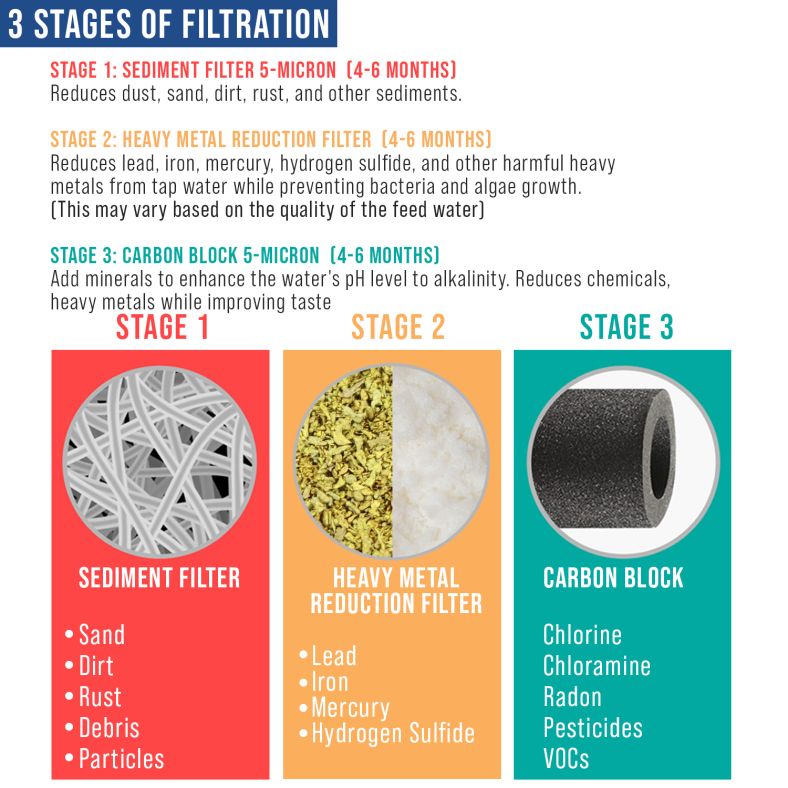
Independent testing showed consistent heavy metal removal across major brands, but with important caveats you need to know.
What Actually Gets Filtered Out of Your Tap Water
- Lead, cadmium, mercury: All tested pitchers effectively removed these dangerous metals
- Arsenic: Results varied dramatically – two products achieved 100% removal while others managed only 15-56%
This significant variation makes arsenic testing particularly important if you’re concerned about this contaminant, especially if you live in areas with known arsenic issues in groundwater.
Fluoride Removal: The Pitcher Limitation Most Consumers Don’t Know
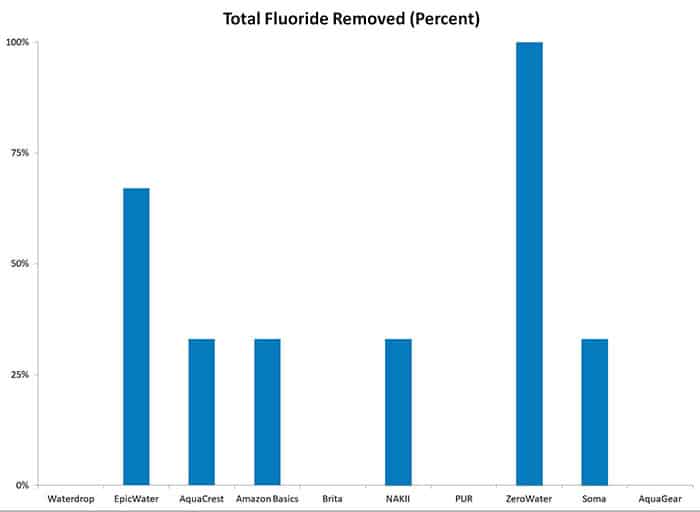
Most plastic water filter pitchers provide minimal fluoride reduction, which may be concerning for both over-exposure and dental health considerations.
The Fluoride Removal Reality by Brand
- ZeroWater: Achieves complete fluoride removal
- Other mainstream brands: Manage only 10-30% reduction
- Health note: Fluoride benefits teeth at optimal levels but can cause problems at high concentrations
If fluoride reduction is important for your household, you’ll need to specifically seek models designed for this purpose rather than assuming standard pitchers will address it.
Your Essential Plastic Pitcher Maintenance Checklist
Proper maintenance dramatically reduces both plastic leaching and microbial contamination risks—neglecting these steps significantly compromises your pitcher’s safety.
Weekly Cleaning Protocol That Actually Works
- Wash every 1-2 weeks with warm, soapy water using a soft sponge
- Hand wash only – dishwasher heat stresses plastic and increases leaching potential
- Use white vinegar for hard water mineral buildup (1:1 vinegar-water solution)
- Soft toothbrush reaches tight corners where mold forms
Filter Replacement Timing You Should Never Ignore
- 40-gallon limit or approximately 2 months of use (whichever comes first)
- Change immediately if water tastes off or flows slowly
- Discard first batch after installing new filters removes carbon dust
- Never let filters dry out – store moist in sealed bags if removed temporarily
Non-Plastic Alternatives When Safety Concerns Outweigh Convenience
When plastic exposure concerns become paramount, several viable alternatives exist that maintain filtration benefits without the plastic risks.
Glass and Stainless Steel Pitcher Options
- Glass pitchers: Eliminate plastic entirely but have limited filter availability
- Stainless steel: Available but filter housings typically remain plastic
- Countertop systems: Reduce daily plastic handling through tap-mounted installation
Comprehensive Filtration Solutions Worth Considering
- Under-counter RO systems: Superior filtration without daily pitcher contact
- Faucet-mounted filters: Direct filtration without storage concerns
- Whole-house filters: Eliminate pitcher use entirely for whole-home protection
Making Your Final Safety Decision: When Plastic Pitchers Are (and Aren’t) Safe
Plastic water filter pitchers can be safe when you follow specific guidelines and understand their limitations—here’s how to make your determination.
When Plastic Pitchers Are a Safe Choice
- Municipal water users seeking taste improvement in areas with generally good water quality
- Convenience priority households with commitment to regular maintenance
- Cost-conscious consumers choosing NSF 53-certified models for specific concerns
When You Should Choose Non-Plastic Alternatives
- Well water users requiring enhanced filtration capabilities
- Lead concerns from older plumbing requiring specialized certification
- Chemical sensitivity making any plastic exposure unacceptable
Your Plastic Water Filter Pitcher Safety Checklist
- [ ] Choose pitchers with NSF 53 certification for health-related contaminants
- [ ] Commit to weekly cleaning and bi-monthly filter changes without exception
- [ ] Store in refrigerator away from heat and light exposure
- [ ] Replace immediately if plastic appears cloudy or develops cracks
- [ ] Consider glass or stainless alternatives for high-volume daily use
The safety of your plastic water filter pitcher ultimately depends on your product selection, maintenance diligence, and personal risk tolerance. While current research suggests the health benefits of filtered water outweigh plastic exposure risks for most users with properly maintained, certified pitchers, those with chemical sensitivities or high contamination concerns should explore non-plastic alternatives for complete peace of mind. By understanding both what plastic water filter pitchers remove from your water and what they might be adding to it, you can make an informed decision that balances convenience with genuine safety for your household’s drinking water.