Do Tap Water Filters Really Work?
This post contains affiliate links. As an Amazon Associate, we earn from qualifying purchases.
That metallic aftertaste in your morning glass or the faint chlorine smell from your tap—these everyday nuisances make you wonder: does tap water filter work for your specific situation? The answer isn’t a simple yes or no. Water filters function like precision tools rather than magic solutions, each designed for particular contaminants. Understanding what your water actually needs—and what filters can realistically deliver—saves you money while ensuring your family drinks safe, great-tasting water.
Most municipal tap water already meets strict safety standards, but it might still contain substances affecting taste, smell, or appearance. Filters don’t universally “clean” water—they target specific problems. Choosing the right filter requires matching its capabilities to your actual water quality issues, not marketing promises.
How Water Filters Actually Trap Contaminants
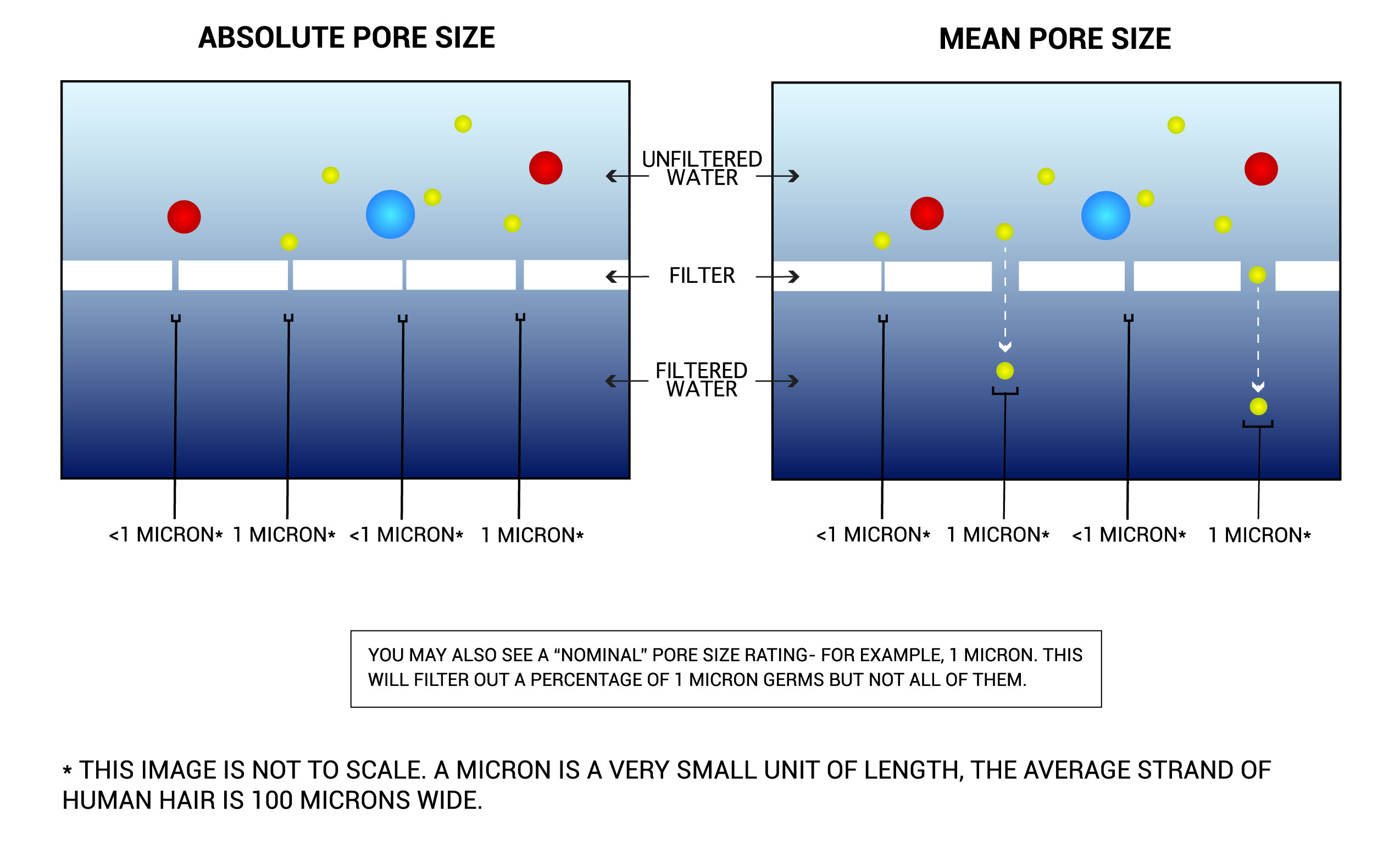
Water filters work like microscopic sieves, using pore size as their primary mechanism for contaminant removal. Just as a kitchen strainer catches pasta while letting water through, filters trap particles larger than their pore size while allowing water molecules to pass.
Absolute vs. Nominal Pore Size Explained
Understanding pore size specifications is critical when evaluating filter claims:
Absolute pore size guarantees every single pore meets the specified measurement. This provides reliable protection because no particles larger than this size can pass through any part of the filter.
Nominal pore size represents only the average hole size across the filter. Some pores are larger than specified, potentially allowing contaminants through. Many budget filters use nominal sizing to appear more effective than they actually are.
Contaminant Size Hierarchy Determines Filter Choice
Your water contains contaminants across a size spectrum that directly impacts which filter you need:
- Parasites and amebas (largest) – visible under standard microscope
- Bacteria (medium) – requires high magnification to see
- Viruses (smallest) – need electron microscope for visualization
This size progression explains why a basic pitcher filter won’t protect against viruses—their pores are simply too large. Matching your filter to the specific contaminants in your water is essential.
Filter Types That Actually Solve Your Water Problems
Activated Carbon Filters: Your Daily Taste Fix
These common pitcher and faucet-mounted filters excel at improving water’s sensory qualities through adsorption—where contaminants stick to the carbon surface.
They effectively remove:
– Chlorine causing that swimming pool smell
– Heavy metals like lead from old pipes
– Organic compounds creating unpleasant odors
Critical limitations you must know:
– Cannot remove bacteria, viruses, or parasites
– May strip beneficial fluoride from municipal water
– Won’t protect against microbiological contamination
Reverse Osmosis: The Heavy-Duty Solution
When you need comprehensive contaminant removal, reverse osmosis (RO) systems deliver through a multi-stage process using a semi-permeable membrane.
What RO removes completely:
– All biological contaminants including viruses
– Heavy metals like lead, arsenic, and chromium
– Dissolved salts and minerals
– Most chemical contaminants
Significant trade-offs to consider:
– Removes beneficial minerals like calcium and magnesium
– Wastes 3-4 gallons of water for every gallon filtered
– Requires professional installation and regular membrane replacement
NSF Certification: Your Filter Effectiveness Guarantee
Many filters make bold claims without third-party verification. NSF International provides standardized testing that separates legitimate products from marketing hype.
Essential NSF standards to verify before purchasing:
- Standard 42: Confirms taste and odor improvement
- Standard 53: Validates removal of health-threatening contaminants
- Standard 58: Certifies reverse osmosis system performance
- Standard 177: Covers shower filtration effectiveness
Always check the NSF database using the exact product model number—many companies falsely claim certification for similar but untested models.
When You Actually Need a Filter (And When You Don’t)
Clear Indicators You Need Filtration
Install a filter if:
– Your water comes from a private well (no municipal treatment)
– Annual testing shows contaminants above EPA limits
– Household members have compromised immune systems
– You notice persistent cloudiness or bad taste/smell
– Your home has lead pipes installed before 1986
Situations Where Filters Are Unnecessary
Skip filtration if:
– Your municipal water quality reports show all contaminants below EPA limits
– You have no taste, odor, or appearance complaints
– You’re on a well-maintained municipal system
– No special health vulnerabilities exist in your household
Pro tip: A $30 water test can prevent hundreds in unnecessary filter purchases. Many people buy filters for problems that don’t actually exist in their water.
Testing Your Water Before Buying Any Filter
Municipal Water Users: Start With Your CCR
Your water utility’s annual Consumer Confidence Report (CCR) reveals exactly what’s in your water. Focus on:
- Contaminants detected and their levels
- EPA maximum contaminant levels (MCLs)
- Any violations or exceedances
- Source water assessment details
This report identifies whether filtration addresses actual problems or just perceived issues.
Well Water Owners: Proactive Testing Is Mandatory
Unlike municipal systems, private wells receive no regulatory oversight. Essential annual tests include:
- Total coliform bacteria
- Nitrates
- pH levels
- Total dissolved solids
Additional tests based on your location:
– Arsenic testing in Western states
– Radon screening in Northeastern regions
– Agricultural chemical checks near farming areas
– Industrial contaminant testing near manufacturing zones
Installation Choices That Impact Filter Effectiveness
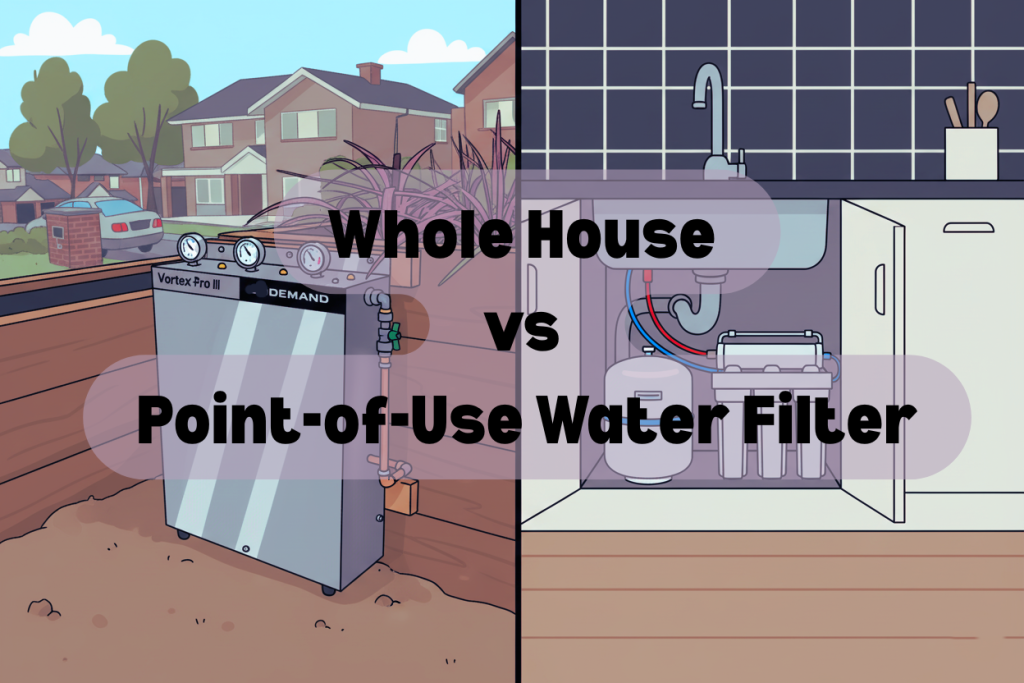
Point-of-Use vs. Whole-House Systems
Point-of-use systems (kitchen sink, refrigerator) treat water where you drink it. Benefits include lower cost and easier installation, but they don’t protect other water uses like bathing.
Whole-house systems filter all incoming water. While comprehensive, they require professional installation, higher costs, and may remove beneficial chlorine from your entire plumbing system—potentially encouraging bacterial growth.
Maintenance Mistakes That Render Filters Useless
Critical replacement schedule:
– Pitcher filters: Every 2-3 months
– Faucet filters: Every 3-6 months
– Under-sink carbon filters: 6-12 months
– RO membranes: 2-3 years
Consequences of neglected maintenance:
– Bacterial growth in saturated filters
– Reduced contaminant removal efficiency
– Potential release of trapped contaminants back into your water
– Complete system failure without obvious warning signs
Special Situations Requiring Enhanced Filtration
Immunocompromised Household Members
If anyone in your home has weakened immunity, standard filters may not provide adequate protection. Cryptosporidium, a dangerous parasite, can slip through many filtration systems.
Essential precautions:
– Choose filters specifically certified for Cryptosporidium removal
– Consider professional maintenance to avoid exposure
– Consult healthcare providers for personalized recommendations
– Never change filters without wearing gloves and washing hands thoroughly
Cost Analysis: Filters vs. Bottled Water
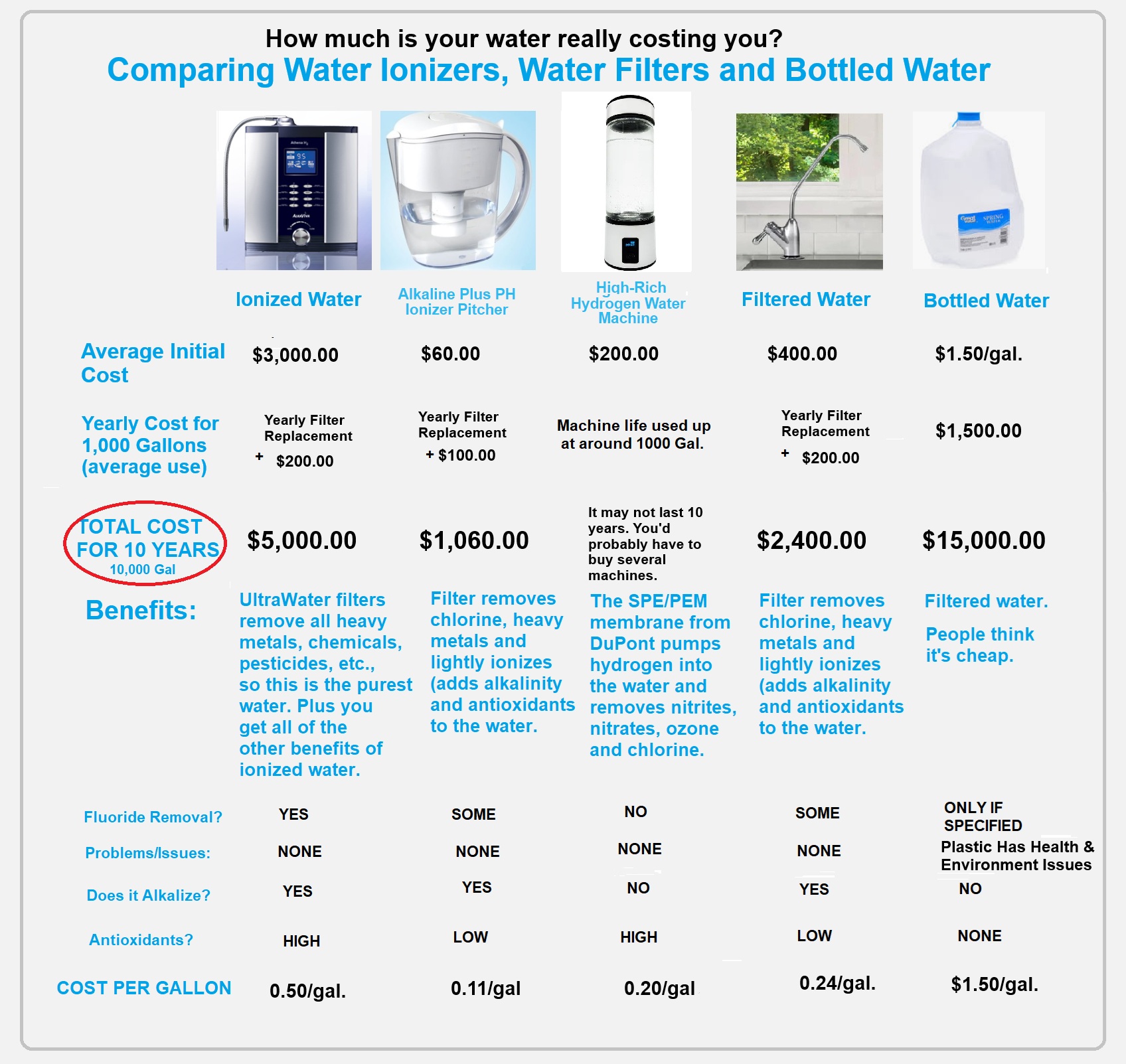
True Cost Comparison
Filter system costs:
– Initial investment: $200-$800 depending on type
– Annual maintenance: $100-$300 for filter replacements
– Environmental impact: Minimal plastic waste
Bottled water costs:
– Annual expense: $400-$1,200 for a family of four
– Environmental impact: Thousands of plastic bottles yearly
– Carbon footprint: Significant transportation emissions
Hidden filter costs to consider:
– Professional installation for whole-house systems
– Water waste from reverse osmosis (3:1 ratio)
– Electricity for powered filtration systems
– Potential plumbing modifications
Making Your Final Filter Decision
Step-by-Step Selection Process
- Test your water (or review your CCR)
- Identify specific contaminants exceeding safe levels
- Match filter type to your contamination profile
- Verify NSF certification for your specific needs
- Calculate total cost including maintenance
- Consider installation requirements and ongoing maintenance
Red Flags That Signal a Bad Filter Purchase
Avoid filters that:
– Claim to remove “everything” without specific certification
– Lack third-party testing verification
– Promise results without knowing your water quality
– Require expensive proprietary replacement parts
– Have no clear filter replacement schedule
Bottom Line: Do Tap Water Filters Actually Work?
Yes, tap water filters work—when properly matched to actual water quality issues and maintained correctly. The key is understanding that “working” means removing specific contaminants, not creating universally pure water from unsafe sources.
For most households with safe municipal water, simple carbon filters effectively improve taste and remove chlorine. Those with private wells or specific contamination issues need targeted solutions based on actual test results.
The biggest mistake? Buying filters without testing your water first. A $30 test can prevent hundreds in unnecessary equipment while ensuring you address real—not imagined—water quality problems.
Remember: filters are precision tools, not magic solutions. Choose the right tool for your specific job, maintain it properly, and your tap water will deliver both safety and great taste without unnecessary expense.