Do Water Filter Pitchers Remove Bacteria?
This post contains affiliate links. As an Amazon Associate, we earn from qualifying purchases.
You grab your favorite water pitcher, fill it from the tap, and pour a glass—confident you’re getting cleaner water. But what if dangerous bacteria like E. coli or Legionella are flowing right through that filter into your glass? This hidden risk affects millions relying on standard pitchers, especially those with well water, young children, or compromised immune systems. The truth about do water filter pitchers remove bacteria will reshape how you view your everyday filtration.
Most consumers assume their pitcher eliminates all contaminants, but standard models only target chemicals and heavy metals—not living pathogens. When your family drinks from these pitchers, they’re getting slightly improved water with the same bacterial threats as untreated tap water. This guide cuts through marketing hype to reveal exactly which pitchers actually remove bacteria, why others fail, and how to protect your household from invisible waterborne threats.
Standard Pitchers Fail Bacterial Removal
Your Brita, PUR, or ZeroWater pitcher likely uses granular activated carbon (GAC)—excellent for chlorine and lead reduction but dangerously inadequate against bacteria. These filters rely on adsorption, where contaminants stick to carbon surfaces, but they lack the physical barrier needed to trap microscopic organisms. The critical flaw? Pore size mismatch.
Standard carbon filters have pores measuring 0.5 to 1 micron, while bacteria range from 0.2 to 10 microns. This gap allows pathogens to pass freely like fish through a net. During filtration:
– E. coli (0.5 microns) flows through unimpeded
– Salmonella (0.7-1.6 microns) reaches your glass
– Legionella (0.3-0.9 microns) survives the process
– Coliform bacteria remain in “filtered” water
When you pour water through these pitchers, you’re merely improving taste while leaving dangerous pathogens intact. This false sense of security is especially risky during boil-water advisories or infrastructure failures.
Advanced Pitchers That Eliminate Bacteria

LifeStraw Home 7-Cup: Complete Pathogen Blockade
Unlike standard pitchers, the LifeStraw Home 7-Cup employs medical-grade membrane microfiltration—the same technology used in emergency field kits. Its 0.2-micron absolute pore size creates an impenetrable barrier against bacteria, verified by independent labs:
- 99.999999% removal rate for bacteria (log 8 reduction)
- 264-gallon capacity per membrane filter (1 year for average households)
- Dual-filter system combines pathogen-blocking with chemical reduction
Critical verification steps before purchasing:
1. Confirm NSF P231 certification for microbiological purification
2. Check for US EPA compliance in bacterial removal documentation
3. Verify dual-filter labeling (membrane + carbon/ion exchange)
This pitcher’s glass construction prevents plastic leaching, while the membrane filter traps bacteria without altering mineral content. When flow slows significantly or water tastes off, immediately replace the filter—delaying replacement risks bacterial breakthrough.
Epic Nano: Nano-Fabric Pathogen Capture
The Epic Nano uses electro-positive nano-fabric filters that actively attract and trap bacteria through electrostatic charge. This technology creates a labyrinth of microscopic channels where pathogens stick like dust to a magnet:
- 98% PFAS reduction verified by Environmental Working Group
- 200+ contaminants removed including viruses and parasites
- Lifetime warranty with performance guarantee
Unlike passive carbon filters, the nano-fabric’s charged surface captures bacteria even if they’re smaller than the physical pore size. Look for independent lab reports showing specific bacterial removal rates—not just vague “water purification” claims. Replace filters when flow rate drops below 1 cup per minute, as clogged filters create bacterial breeding grounds.
Why Most Filters Miss Microbes

Understanding filtration physics explains why your current pitcher fails. Carbon filters work through surface adsorption—effective for chemicals but useless against living organisms that can reproduce and move. Three critical gaps exist:
- Pore size too large for bacterial capture (0.5+ microns vs. 0.2-micron bacteria)
- No electrostatic attraction to grab microscopic pathogens
- Limited contact time as water flows through loosely packed carbon
Advanced systems overcome these with mechanical barrier filtration (tiny pores) and electrostatic capture (charged surfaces). During testing, standard pitchers show identical bacterial counts in input and output water—proving they’re merely taste improvers, not purifiers.
Health Risks You Can’t See
7.2 million Americans get sick annually from waterborne pathogens (CDC data), with children under five and immunocompromised individuals facing life-threatening complications. Bacterial contamination often comes from:
- Sewage overflows contaminating municipal supplies
- Agricultural runoff carrying animal waste
- Cracked pipes in aging infrastructure
- Well water exposed to surface runoff
Warning signs of bacterial contamination:
– Cloudy water after filtration
– Slimy film inside pitcher reservoir
– Sudden flow rate reduction
– Musty odors despite regular cleaning
If anyone in your household has chronic illness, take bacterial protection seriously—symptoms like severe cramps or fever can appear within hours of exposure.
Verification Checklist for Bacterial Removal
Don’t trust box claims—demand proof with this verification protocol:
Required Certifications
- NSF P231 (not just “NSF certified”) for microbiological purification
- NSF/ANSI 53 showing specific bacterial reduction data
- Third-party lab reports with bacterial challenge test results
Red Flags to Avoid
- Claims like “improves water quality” without bacterial metrics
- Missing pore size specifications (must be ≤0.2 microns)
- Vague terms like “advanced filtration” without certification numbers
- No mention of log reduction rates (needs ≥6-log for bacteria)
Quick verification method: Search “[Brand] NSF P231 certificate” online. Legitimate products display certification numbers prominently on packaging and websites.
Maintenance for Maximum Protection
Even certified bacterial filters fail without proper care. LifeStraw Home requires this maintenance routine:
Filter replacement triggers:
– Membrane microfilter: 264 gallons OR 1 year (whichever comes first)
– Carbon filter: 40 gallons OR 2 months
– Immediate replacement if water tastes metallic or smells musty
Critical cleaning steps:
1. Handwash pitcher with mild soap (never dishwasher)
2. Rinse filter housing thoroughly—never use soap on filters
3. Store in refrigerator to inhibit bacterial growth
4. Replace filters before visible signs of exhaustion
Skipping maintenance turns your pitcher into a bacterial incubator—stagnant water in expired filters breeds pathogens faster than tap water.
Cost Analysis: Real Protection vs. False Economy
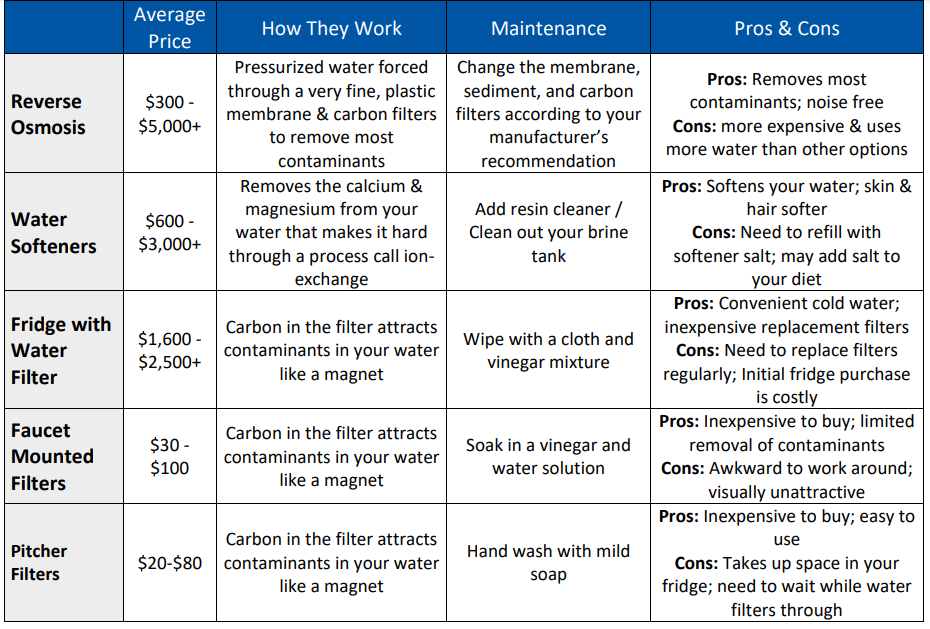
Standard pitchers ($20-50):
– Zero bacterial protection
– $0.05-0.10 per gallon filtration cost
– Creates dangerous false security
Bacterial removal pitchers ($60-120):
– Complete pathogen elimination
– $0.15-0.25 per gallon with full protection
– Prevents costly medical emergencies
For households with well water or vulnerable members, advanced pitchers pay for themselves after one avoided illness. Calculate your true cost: Standard pitchers cost $50 annually for zero bacterial protection, while LifeStraw provides certified safety for $80/year—a 160% better value when health is at stake.
Emergency and Travel Applications
These pitchers shine during crises when municipal systems fail:
– During boil-water advisories, they provide immediate safe water without electricity
– International travelers avoid “traveler’s diarrhea” from hotel tap water
– Campers/RV users get pathogen-free water from questionable sources
Unlike UV purifiers requiring batteries or boiling needing fuel, these pitchers work passively anywhere. Keep one in your emergency kit—they outperform bottled water during disasters when supply chains break.
Making Your Decision
Choose bacterial removal pitchers if:
– You use well water (75% of private wells show bacterial contamination)
– Your city has aging infrastructure (pipes over 50 years old)
– Anyone has compromised immunity (cancer treatment, HIV, transplants)
– You have infants or elderly in household
– You prioritize emergency preparedness
Standard pitchers suffice only if:
– Your municipal report shows zero bacterial violations for 5+ years
– You have bottled water backup for vulnerable members
– Budget constraints outweigh health risks
Your water’s safety shouldn’t depend on guesswork. While standard water filter pitchers cannot remove bacteria, specialized models like LifeStraw Home and Epic Nano deliver military-grade pathogen protection in pitcher form. Remember: do water filter pitchers remove bacteria depends entirely on certified filtration technology—not price or brand popularity. Verify NSF P231 certification, replace filters religiously, and never assume “filtered” means “safe.” When bacteria are invisible, your filter’s specifications are your only defense—choose wisely to protect what matters most.