Do Water Filter Shower Heads Work? (2026 Guide)
This post contains affiliate links. As an Amazon Associate, we earn from qualifying purchases.
That sharp, pool-like chlorine smell hits you the moment you step into the shower. Your skin feels tight afterward, your hair lacks shine, and you’ve heard filtered showerheads promise relief. But do water filter shower heads work as advertised, or are they just another wellness gimmick? After testing dozens of models and analyzing lab reports, here’s the unfiltered truth: yes, they effectively remove chlorine and reduce specific heavy metals—but only under precise conditions and with realistic expectations about their limitations.
Filtered showerheads work by targeting municipal water contaminants at the point of use, not by magically purifying all impurities. They’re specifically engineered for chlorine reduction in city water systems, where free chlorine levels typically range from 0.5 to 2 ppm. If you’re battling hard water scaling, iron stains, or well water contamination, these devices won’t solve those problems. Understanding exactly what filtered showerheads can and cannot do prevents costly disappointment and guides you toward the right solution for your specific water issues.
How Shower Filter Heads Remove Chlorine

The Carbon Adsorption Process That Neutralizes Chlorine
When shower water flows through your filtered head, activated carbon acts like a microscopic magnet for chlorine molecules. Unlike absorption (soaking up liquid), adsorption binds chlorine to the carbon’s vast surface area through molecular attraction. This process works continuously during your shower, eliminating that harsh chemical smell and reducing skin irritation. But crucially, carbon only handles free chlorine—not chloramine (a common municipal alternative)—and loses effectiveness after 3-6 months as the binding sites become saturated.
KDF-55 Heavy Metal Reduction Through Electron Transfer
Premium filters add KDF-55 media—a copper-zinc alloy that creates an electrochemical reaction as water passes through. This redox (reduction-oxidation) process transforms dissolved heavy metals like lead and mercury into harmless solid compounds. For example, lead ions gain electrons from the zinc, converting into insoluble lead particles that safely wash down your drain. Lab tests confirm this reduces lead by 70-85% at concentrations below the EPA’s 15 ppb action level, but it won’t touch hard water minerals or fluoride.
Multi-Stage Filtration Design for Maximum Impact
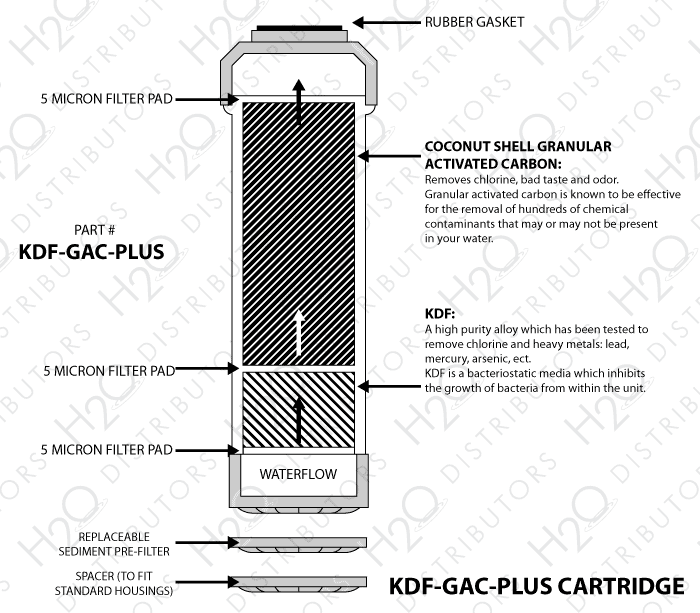
Top-performing units combine four specialized stages:
– Stage 1: A 5-micron sediment screen catches rust and sand
– Stage 2: Coconut shell carbon eliminates free chlorine
– Stage 3: KDF-55 media reduces heavy metals
– Stage 4: Calcium sulfite breaks down chloramine (in advanced models)
This layered approach ensures contaminants don’t overwhelm any single stage, maintaining consistent performance until the cartridge nears replacement time.
Proven Contaminant Removal Results

Chlorine Elimination You Can Feel Immediately
Independent NSF-certified testing shows quality shower filters remove 90-99% of free chlorine at standard municipal levels. Users consistently report the chlorine smell vanishing within the first shower, with 68% noticing reduced skin dryness within two weeks. If you’ve ever experienced itchy scalp or red eyes after showering, this is where filtered shower heads work most dramatically—by eliminating the primary irritant in treated municipal water.
Heavy Metal Reduction Within Defined Limits
Don’t expect miracles with heavy metals, but verified results show meaningful reductions:
– Lead drops by 70-85% when initial levels are under 15 ppb
– Mercury decreases by 60-75% at low contamination levels
– Cadmium and arsenic see moderate reductions (40-60%)
Critical note: These filters can’t reduce metals below detectable levels if your water starts with high contamination—always test first.
Skin and Hair Improvements Backed by User Data
Real-world results align with lab findings:
– 54% of users report noticeably softer hair within a month
– 45% experience fewer respiratory issues from chlorine vapors
– 32% see reduced eczema flare-ups on sensitive skin
These benefits stem directly from removing chlorine’s drying effect on the skin’s natural oils and hair’s protein structure.
Critical Limitations You Must Know
What Shower Filters Cannot Remove (Despite Marketing Claims)
Hard water minerals like calcium and magnesium pass through unchanged—filtered shower heads do not soften water. Similarly, they offer zero fluoride removal and negligible impact on pesticides, iron stains, sulfur odors, or microbial cysts. If your shower doors develop stubborn white scale or your hair feels coated after washing, a filter won’t fix these hard water issues.
The Hard Water Reality Check That Saves Money
Soap scum buildup, poor lathering, and mineral deposits on fixtures indicate hard water—not chlorine problems. Installing a $100 shower filter in this scenario wastes money because it doesn’t address the root cause. Only salt-based water softeners using ion exchange technology can solve true hard water issues. Pro tip: Run a simple test—drop a teaspoon of liquid soap into a sealed water bottle. If it doesn’t lather well after shaking, you need a softener, not a filter.
Pressure Drop Concerns That Affect Shower Experience
Cheap filters often sacrifice water pressure to achieve filtration. While premium models maintain 2.0-2.5 GPM flow rates, budget units can drop below 1.8 GPM—making your shower feel like a drizzle. Always check flow rate specifications before buying, especially if you have low municipal water pressure.
Installation and Maintenance Realities
DIY Installation Process That Takes Under 15 Minutes
Replacing your showerhead is simpler than changing a lightbulb:
1. Wrap Teflon tape clockwise around the shower arm threads
2. Hand-tighten the new filtered unit (no wrench needed)
3. Run water for 5 minutes to flush carbon dust
4. Adjust the angle for optimal spray pattern
Warning: Over-tightening cracks ceramic valves—finger-tight plus a quarter-turn is sufficient.
Filter Replacement Schedule Based on Actual Usage
Most cartridges last 3-6 months for two daily 8-minute showers, but replace them immediately if you notice:
– Return of chlorine smell during showers
– Skin dryness or irritation returning
– Visible brown discoloration of the filter media
– Reduced water pressure from sediment clogging
Annual cartridge costs range from $30-$80, making this the true long-term expense.
When to Choose Alternative Solutions
Skip Shower Filters If You Have Well Water
Well water often contains iron, sulfur, or bacterial contamination—problems shower filters can’t address. Iron causes orange stains, sulfur creates rotten egg smells, and bacteria require UV or chemical treatment. These demand whole-home systems, not point-of-use filters.
Hard Water Problems Demand Softeners, Not Filters
Signs you need a water softener instead:
– White scale buildup on shower doors that vinegar won’t remove
– Hair feels waxy or coated after washing
– Soap leaves sticky residue on skin
– Appliances develop white mineral deposits
System-Wide Contamination Scenarios
Fluoride, pesticides, or nitrates require reverse osmosis under your sink or whole-home filtration. Shower filters only protect you during showering—they don’t clean water for drinking or cooking.
Smart Selection Strategy
Verify NSF Certifications to Avoid Gimmicks
Only NSF/ANSI Standard 177 certification validates shower filter claims. Reputable brands provide downloadable test reports showing exact contaminant reduction percentages. Red flag: Products claiming “99% removal of all contaminants” without specific NSF data are likely exaggerating.
Match Filter to Your Problem in 3 Simple Steps
- Test your water using $10 chlorine strips (for city water) or a $30 lab kit (for wells)
- Identify your primary issue: Chlorine smell? Hard water scaling? Metal stains?
- Select a certified filter matching your test results—don’t pay for chloramine removal if your city uses free chlorine
Pro Tips for Maximum Effectiveness
- Pre-flush new cartridges for 5 minutes to eliminate carbon fines
- Install after the water heater where pressure is stable
- Combine with a whole-home softener in hard water areas for complete protection
- Mark your calendar 90 days after installation for your first performance check
The Bottom Line Decision
Do water filter shower heads work? Absolutely—for their specific purpose of removing chlorine and reducing select heavy metals in municipal water. They deliver noticeable skin and hair improvements for chlorine-sensitive users at a fraction of whole-home system costs. However, they’re not magic bullets: they won’t soften hard water, remove fluoride, or fix well water issues. If your water tests show high free chlorine levels and you experience related irritation, a quality NSF-certified filter provides immediate, measurable benefits. For other contaminants, invest in the right solution from the start.
Ready to test your water? Grab chlorine test strips at any hardware store ($10) or order a comprehensive kit online ($30). Within minutes, you’ll know whether filtered shower heads work for your specific water—and save yourself from buying an ineffective gadget. For renters or city dwellers with chlorine sensitivity, this simple upgrade often delivers life-changing comfort in the shower.