How to Clean PUR Water Filter Pitcher
This post contains affiliate links. As an Amazon Associate, we earn from qualifying purchases.
That first sip of crisp, clean water from your PUR pitcher turns sour when cloudy residue clings to the sides or a funky odor creeps in after just two weeks of use. Mineral deposits from hard water and bacterial buildup in hidden crevices sabotage your filtration system, leaving you with less effective purification and unpleasant tastes. If your pitcher feels slimy or water drains slower than usual, it’s screaming for a deep clean. This guide delivers the exact steps to restore crystal-clear performance—no guesswork, no damage to sensitive components, and zero wasted filters. You’ll learn how to dismantle every model safely, banish stubborn limescale with household items, and prevent future buildup while keeping your filter change indicator functional.
Remove Filter Without Damaging It
Never dunk your filter in water—this critical step protects the carbon block inside. Grip the filter firmly near its base, pull straight up until resistance eases, then twist counterclockwise to disengage the locking teeth. Lay it on a clean paper towel away from sink splashes. For PUR PLUS filters (CRF950Z), you’ll prep it later with a timed soak; basic PUR filters (PPF900Z) just need a quick rinse. If you force it sideways, you risk cracking the filter housing or damaging the reservoir seals.
Why Filter Removal Must Be Precise
Twisting while pulling applies even pressure across the locking mechanism. Yanking straight up without the twist jams internal tabs, making future filter changes difficult. If your filter sticks, tap the reservoir base firmly on a counter first—this loosens mineral bonds.
Disassemble Every Component Correctly
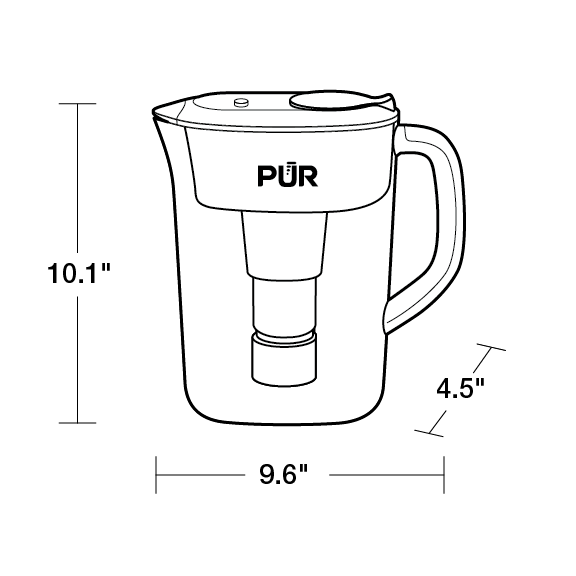
Lift the upper reservoir straight up to separate it from the pitcher body. For models with twist-lock covers (like PLUS 7 Cup), rotate the cover counterclockwise until it clicks free. Lay out all pieces: pitcher body, reservoir tray, lid, filter cover (if applicable), and spigot for dispensers. Check alignment tabs—most reservoirs have a small protrusion that must match the pitcher body’s slot. Misalignment causes leaks and lid instability during pouring.
Spot Hidden Buildup Zones
Focus on these trouble spots:
– Overflow slots inside the reservoir rim (traps debris)
– Spigot valve (stagnant water breeds mold)
– Lid pour spout (mineral rings form here first)
– Filter cavity threads (white chalky deposits hide here)
Hand Wash All Parts Safely
Never use bleach, vinegar, or abrasive pads—these scratch plastic and leave chemical residues. Fill your sink with warm water and one drop of mild dish soap. Use a microfiber cloth for pitcher bodies and reservoirs, switching to an old toothbrush for textured areas like filter cavities. For spigots on dispensers (DS1810/DS1811), run soapy water through the valve by tilting the unit sideways. Rinse each piece under running water for 20+ seconds—soap film alters water taste instantly.
Critical Rinsing Technique
Hold components upside down and pour water through them three times. For reservoirs, fill completely, swirl vigorously, then drain. Repeat until water sheeting off surfaces has no oily sheen. Leftover soap clogs filter pores during reassembly.
Dishwasher Cleaning Only for Specific Models
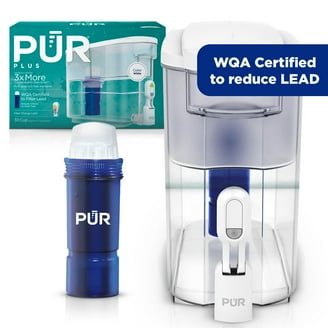
Only PUR 8 Cup Slim Pitchers (PPT600) tolerate dishwashers—other models warp or crack. Before loading, remove the filter change light module by prying it gently from its housing (it snaps out). Place all plastic parts on the top rack only. Run a normal cycle with no detergent pods (residue sticks in crevices). Never dishwasher-clean PLUS models (PPT710/PPT711)—their electronic displays leak moisture into circuitry.
Why Most PUR Pitchers Fail Dishwasher Tests
Standard pitchers use thinner plastic than the Slim model. High heat distorts the reservoir’s alignment tabs, causing persistent leaks after washing. If your model isn’t explicitly labeled dishwasher-safe, hand washing preserves its lifespan.
Clean Filter Indicator Without Killing Electronics
Dampen a microfiber cloth with distilled water only—tap water minerals corrode contacts. Wipe the display screen and surrounding plastic housing. For grime around button edges, use a cotton swab dipped in 90% isopropyl alcohol (dab excess first). Never spray liquids near the indicator—alcohol evaporates faster than water, reducing short-circuit risks. If the display flickers after cleaning, leave it disassembled for 2 hours to dry completely.
Reassemble to Prevent Leaks and Lid Failures
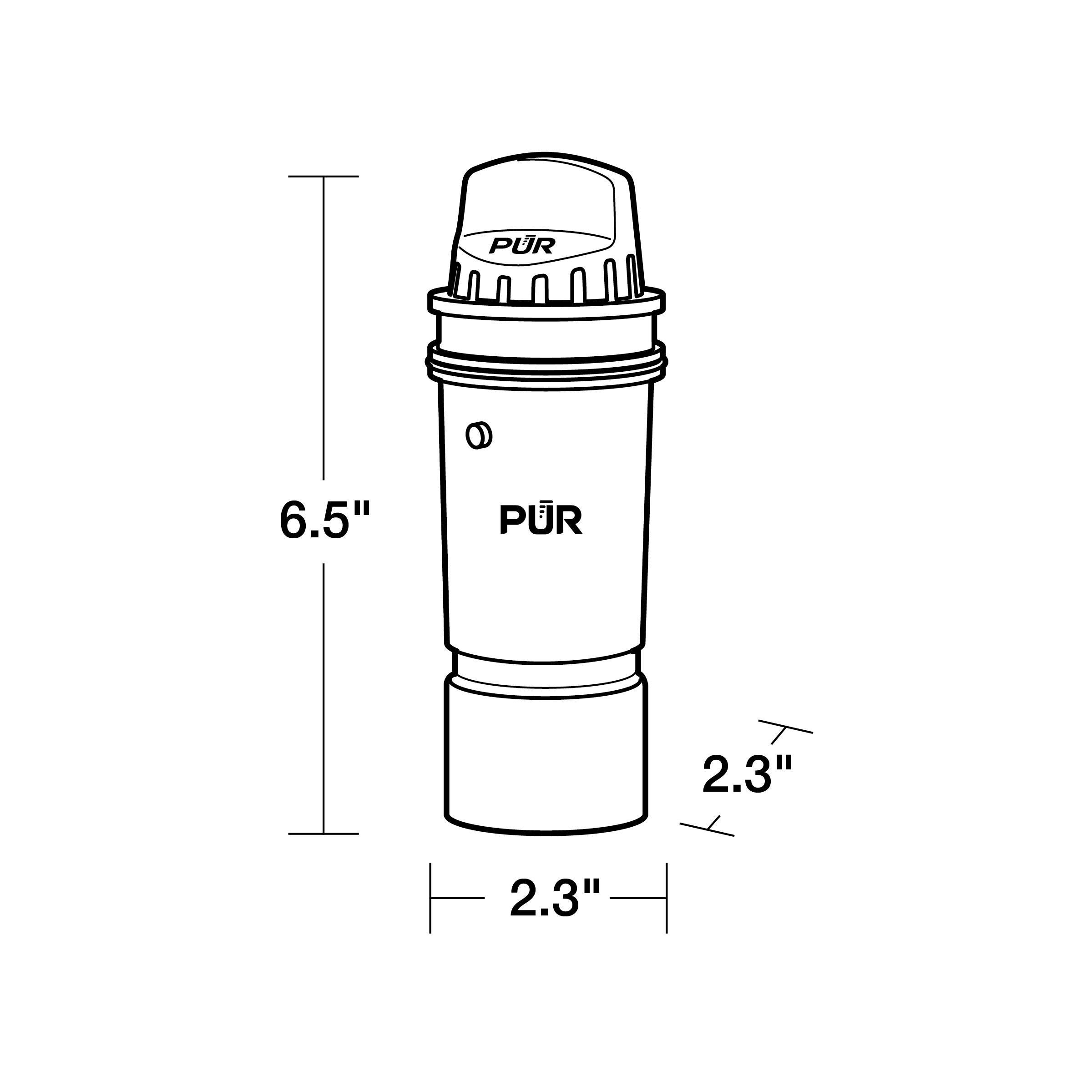
For PUR PLUS filters: Soak 15 minutes in cold water, then rinse 10 seconds under tap. Basic PUR filters: Rinse 15 seconds only. Push the filter into the reservoir until it bottoms out, then twist clockwise until resistance increases. Test by tapping the filter base sharply—if it wobbles, twist 5° more. Drop the reservoir into the pitcher body, ensuring the alignment tab clicks into the front notch. Press the lid firmly until you hear two distinct snaps—one at the front, one at the back.
Fix Wobbly Reservoirs in 10 Seconds
If water leaks between reservoir and pitcher, rotate the reservoir 180°. Many users insert it backward, misaligning the overflow channel. The tab should face the handle side for proper drainage.
Reset Filter Indicator When Lights Malfunction
Hold the button for 8 full seconds (not 5) until all three lights flash simultaneously. Release when the green LED turns solid. If unresponsive, hold 15 seconds—the battery may be depleted (common after 18 months). Don’t panic—your filter still works. Track replacements manually using the calendar cling (included with Slim models) or note dates on your fridge.
Troubleshoot Lid Falls Off Mid-Pour
This happens when the reservoir is backward or the lid isn’t fully seated:
1. Remove reservoir and rotate 180°
2. Press lid center down while sliding it forward
3. Engage the locking tab (if present) with a firm thumb press
4. Test with ½ cup water before filling completely
Eliminate Cloudy Buildup Permanently
Soak affected parts in 1:3 white vinegar to water solution for 30 minutes. For crusty mineral deposits, make a paste with baking soda and water, then scrub with a toothbrush. Never use CLR or descaling chemicals—they leave toxic residues. After soaking, rinse under running water for 1 full minute. For persistent film, repeat the vinegar soak but add 2 tablespoons of citric acid powder.
Why Vinegar Beats Commercial Cleaners
Vinegar’s acetic acid dissolves calcium carbonate (limescale) without etching plastic. CLR contains sulfamic acid that degrades PUR pitcher polymers over time, causing microfractures where bacteria hide.
Maintain Peak Performance Long-Term
Clean every 2 weeks if you use 4+ cups daily; monthly for light use. Always deep clean when replacing filters. Track filter life by gallons: green (0-30 gal), yellow (30-40 gal), red (40+ gal or 2 months). Never exceed 82°F water—heat melts filter binders, releasing carbon dust into your water. Store pitchers in cool, dark places to prevent algae growth.
Pro Tip: The Spare Filter Swap Trick
Keep a new filter soaking while cleaning. When you reinstall the old filter for the final rinse cycle, immediately replace it with the pre-soaked new one. This avoids 48 hours of unfiltered water while the new filter primes.
Model-Specific Cleaning Shortcuts
PUR Slim Pitcher (PPT600)
Dishwasher-safe except the indicator module. Use the included calendar cling to mark cleaning dates on the pitcher base—no fridge space needed.
PLUS 7 Cup (PPT710/PPT711)
Hand-wash only. After rinsing, air-dry the electronic display face-down on a towel for 1 hour to prevent moisture traps.
30 Cup Dispenser (DS1810)
Clean the spigot weekly: Turn knob to “clean” position, flush with soapy water, then run 3 cups of vinegar solution through the system.
Final Rinse Protocol Before First Use
Fill the reservoir completely and let water drain through the filter into the pitcher. Discard this entire batch—it flushes out residual vinegar or soap. Repeat once more. Your next pour delivers pure, clean water. Test for odors by filling a glass and sniffing near the rim—if you detect vinegar, run two more batches.
Pro Tip: Place a drop of food coloring in the reservoir before the final rinse. If color appears in the pitcher, your filter has cracks—replace it immediately. Clean pitchers should never alter water’s appearance. Keep this guide handy for your next scheduled cleaning—you’ll extend your pitcher’s life by years while ensuring every glass tastes fresh.