How to Store Brita Pitcher When Not in Use
This post contains affiliate links. As an Amazon Associate, we earn from qualifying purchases.
You’ve packed your bags for vacation or switched to bottled water temporarily—but what happens to your Brita pitcher sitting idle on the counter? Leaving it improperly stored creates a breeding ground for bacteria and mold that can ruin your next glass of filtered water. Many users unknowingly trap moisture inside components, accelerating filter deterioration and introducing contaminants. This isn’t just about stale water; it’s about preventing microbial colonies from taking root in your filter media.
When stored incorrectly, even a brief absence can compromise your pitcher’s performance. Standing water combines with trapped organic material to fuel bacterial growth, especially in warm or humid conditions. The consequences? Musty odors, cloudy water, and potentially hazardous mold that no amount of flushing can fully eliminate. Whether you’re gone for a weekend or several months, these proven storage techniques protect your investment and guarantee fresh, clean water upon return.
Empty and Disassemble Completely

Never store your Brita pitcher with water inside—this is the single most critical mistake users make. Trapped water interacts with the filter’s captured contaminants to create ideal conditions for bacterial growth. Even chlorinated municipal water loses its disinfecting properties during storage, allowing microbes to multiply unchecked. Start by removing the filter cartridge immediately; leaving it seated traps moisture in the housing, which directly feeds mold colonies.
Next, empty all water from both the upper reservoir and main pitcher body. Then disassemble every removable component your model allows. Most Brita systems break down into four key pieces: the main pitcher body, upper reservoir/filter housing, lid with pour spout, and filter cartridge. Some models like the Space Saver include an additional reservoir insert—remove this too. Skipping full disassembly leaves hidden moisture pockets in crevices where bacteria thrive.
Clean and Dry All Components
Wash every piece with warm, soapy water using a mild detergent—never skip this step even if components look clean. Focus on moisture traps: the threads around the filter housing, lid seals, and flip-top mechanisms harbor bacteria invisible to the naked eye. Rinse thoroughly under running water to eliminate all soap residue; leftover detergent can degrade filter materials and create chemical off-flavors later.
Air drying requires patience. Place components upside down on a clean dish rack in a well-ventilated area away from direct sunlight. Do not towel-dry—fabrics reintroduce lint and bacteria. Allow 24-48 hours for complete drying depending on humidity; in tropical climates, extend this to 72 hours. Test dryness by touching interior surfaces—they should feel completely room-temperature and non-damp. Any lingering moisture guarantees mold growth during storage.
Filter Storage Decisions
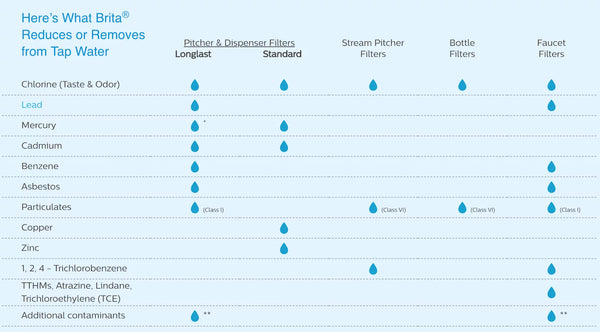
Your storage method depends entirely on absence duration and water source. Get this wrong, and you’ll replace a $20 filter unnecessarily.
Short-Term Storage (Under 1 Week)
For brief absences using chlorinated municipal water:
– Leave the filter seated in the empty pitcher
– Store upright in a cool, dark cabinet (not the fridge)
– Flush for 10-15 minutes with cold tap water upon return
Chlorine in municipal water suppresses bacterial growth during short gaps. This method saves time but fails with well water or spring water lacking disinfectants.
Long-Term Storage (Over 1 Week)
For extended breaks or non-chlorinated sources:
1. Remove the filter and gently shake out excess water
2. Stand it upright on a drying rack in indirect airflow
3. Allow 5-7 days for complete drying (use a fan in humid areas)
4. Store in an airtight container with silica gel packets
Never seal a damp filter—this creates a mold incubator. Verify dryness by checking for condensation inside the housing; add extra desiccant packets for storage beyond one month.
Optimal Storage Environment
Temperature fluctuations degrade plastic components faster than you realize. Store disassembled parts in locations maintaining 40-70°F (4-21°C)—your bedroom closet beats the garage. Humidity above 60% invites mold, so avoid basements. Block all light exposure; UV rays cause plastic to leach chemicals into future filtered water.
Crucially, ensure air circulation around components. Stagnant air traps ambient moisture even in “dry” spaces. Place pitchers upright with lids off inside open cardboard boxes—never seal them in plastic bags unless completely bone-dry with desiccants.
Component-Specific Storage Tips

Standard Pitchers (Classic, Everyday, Space Saver)
Store the main pitcher body upside down to drain residual moisture from the spout. Keep the upper reservoir separate with its holes facing downward. These models’ simple design allows thorough airflow, but always remove the reservoir insert if present—it traps water in its base.
Stream Models
Remove batteries immediately for absences over 30 days—the electronics in the filter housing corrode when damp. Dry the indicator window area with a cotton swab; moisture here causes permanent sensor damage. Store the digital module in a separate container with desiccant.
Faucet-Mount Systems
Completely disconnect from your faucet and drain all water from the hose. Remove the filter cartridge and adapters, storing rubber washers in a labeled bag to prevent loss. Never coil the hose tightly—this traps moisture in bends.
Bottle Models
Disassemble straws, mouthpieces, and silicone seals—they retain moisture 3x longer than plastic. Store filters vertically in their original packaging to prevent media compaction. Bottle filters require 72+ hours drying time due to intricate internal channels.
Reactivation After Storage
Inspect every component before reassembly. Discard any filter with white fuzz (mold) or dark spots (mildew)—no cleaning restores safety. For contaminated pitchers, sanitize with a 1:10 bleach-water solution, then rinse 5x with cold water and air-dry 48 hours.
Filter Installation Process
- Soak new or stored filters in cold water for 15 minutes
- Press firmly into housing until you hear a click
- Fill reservoir and discard first 3 pitchers of water
- Check flow rate—less than 1 minute per pitcher indicates improper seating
Troubleshooting Post-Storage Issues
Persistent Odors
For musty smells after initial flushing:
– Run warm (not hot) water through the system for 20 minutes
– Add 2 lemon slices to the reservoir during final flush
– Replace the filter if odors linger—this signals bacterial colonization
Mold Contamination
If you spot mold:
1. Discard the filter immediately
2. Sanitize all plastic parts with bleach solution
3. Re-dry components for 72 hours before reuse
4. Never attempt to clean a moldy filter
Filter Performance Issues
Replace filters showing:
– Cracks in the housing (common in long-term storage)
– Flow rate slower than 90 seconds per pitcher
– Grayish discoloration in the filter media
– Metallic tastes after extended flushing
Duration Guidelines Summary
1-7 days: Empty water, leave filter seated, store at room temperature
1-4 weeks: Remove filter, dry 5+ days, store with silica gel
1-3 months: Disassemble completely, use airtight container with desiccants
3+ months: Replace filter upon return regardless of usage history
Mark storage dates directly on the pitcher with a dry-erase marker—this prevents accidental use of expired filters.
Final Storage Checklist
Before sealing your storage container:
– [ ] All parts bone-dry (no cool spots when touched)
– [ ] Filter removed for absences >7 days
– [ ] Storage location below 70°F with <60% humidity
– [ ] Silica gel packets added for storage >30 days
– [ ] Small parts bagged and labeled (washers, batteries)
– [ ] Storage date visibly marked on container
Following these Brita pitcher storage steps ensures your next glass of water tastes as fresh as the day you bought it—no hidden bacteria, no mold surprises, and no wasted money replacing prematurely degraded filters. The 20 minutes spent drying components now saves you from costly replacements and health risks later. When you return from vacation, simply reassemble, flush, and enjoy truly clean water without hesitation.