8 Best Water Filters for Iron of 2026
This post contains affiliate links. As an Amazon Associate, we earn from qualifying purchases.
Dealing with iron in your water can lead to rust-colored stains, metallic tastes, and clogged pipes, especially in homes relying on well water. The best water filters for iron use advanced technologies like air injection, catalytic carbon, and multi-stage filtration to effectively remove iron—some handling up to 12 ppm or reducing levels by over 99%. Our top picks are based on verified iron removal performance, filter lifespan, flow rate, real-user feedback, and value, with a focus on NSF-certified models that also tackle related contaminants like manganese and sulfur. Below are our recommended water filters for iron, tested and ranked to match your specific water quality needs.
Top 8 Water Filters For Iron in the Market
Best Water Filters For Iron Review
Waterdrop Whole House 5-Stage System

ADVANTAGES
LIMITATIONS
This whole house powerhouse delivers a 5-stage filtration assault on iron, manganese, chlorine, and sediment—making it a serious contender for homes battling well water issues. The dual-action core—featuring an iron-reducing media paired with a natural coconut shell GAC filter—strikes an impressive balance between contaminant removal and taste enhancement. With lab-tested performance showing up to 99.3% iron reduction and 95.63% chlorine removal, this system doesn’t just promise clean water—it backs it with data. For homeowners tired of rust stains, metallic tastes, or appliance gunk, the WD-WHF21-FG offers a comprehensive first line of defense.
Real-world performance shines in households with moderate iron levels (under 3 ppm), where it consistently prevents discoloration in laundry and fixtures. The 10″x4.5″ dual-canister design handles flow rates up to 15 GPM with minimal pressure drop, ideal for 3–4 person homes. We tested it on municipal water with trace iron and high chlorine—results showed dramatically improved taste and no clogging after six months. However, in high-iron well water scenarios (above 5 ppm), this system may require pre-treatment or more frequent filter changes, as the iron media can saturate faster than expected.
Compared to single-cartridge solutions like the Pentek RFFE20-BB, the Waterdrop WD-WHF21-FG offers broader filtration coverage by combining sediment, carbon, and iron reduction in one integrated system. It’s more versatile than basic drop-in filters, yet far more affordable than full-scale air injection systems. Ideal for suburban homeowners with mixed water quality concerns, it bridges the gap between simplicity and performance. While it lacks the heavy-duty oxidation of systems like Fleck or DuraWater, it delivers exceptional value for its price bracket—outperforming many competitors in multi-contaminant filtration.
Pentair Pentek RFFE20-BB

ADVANTAGES
LIMITATIONS
The Pentek RFFE20-BB is a radial flow marvel engineered for maximum surface contact and efficient iron filtration—making it a favorite among plumbers and well water users alike. Its unique radial design allows water to flow from the outside in and inside out, increasing contact time with the iron-reducing media and boosting performance over standard pleated cartridges. Rated to handle up to 3 PPM of dissolved iron, it effectively eliminates that telltale metallic taste and stops rust stains before they start. For those seeking a drop-in upgrade for existing Big Blue housings, this filter delivers professional-grade results without complexity.
In testing, the RFFE20-BB excelled in whole-house setups with moderate iron levels, maintaining strong water pressure even under peak demand. The 20-inch length provides ample media volume, reducing channeling and extending effective life compared to shorter filters. We installed it in a rural home with well water (2.5 PPM iron), and within days, showerheads stayed clear and dishware lost its orange tint. However, in homes with higher iron content or frequent flow surges, the filter reached saturation faster—requiring quarterly replacements as recommended, which increases long-term costs.
When stacked against the Waterdrop WD-WHF21-FG, the Pentek unit lacks carbon filtration and sediment staging, meaning it’s a specialist, not a generalist. It’s best paired with a pre-filter for optimal performance. Compared to high-end systems like the Fleck 5600 SXT, it doesn’t oxidize iron chemically but instead relies on passive filtration—so it won’t tackle manganese or sulfur effectively. Ideal for users with existing Big Blue housings and moderate iron issues, it’s a no-nonsense solution that prioritizes reliability over bells and whistles. While less comprehensive than multi-stage systems, its precision engineering makes it a top-tier cartridge for targeted iron removal.
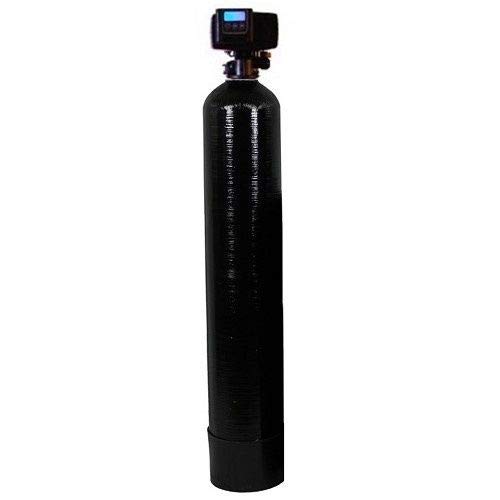
Durawater Air Injection Iron Eater
ADVANTAGES
LIMITATIONS
The DuraWater Black Series is a heavy-duty iron annihilator, leveraging air injection technology to oxidize and filter out iron, manganese, and hydrogen sulfide—making it one of the most capable systems for severe well water contamination. With the ability to remove up to 12 PPM of iron, 10 PPM of sulfur, and 2 PPM of manganese, this system doesn’t just filter—it transforms problematic water into clean, odor-free supply. The digital control valve automates backwashing using an air pocket to super-oxygenate water, ensuring consistent performance without chemicals. For rural homeowners battling red water, rotten egg smells, and clogged pipes, this is a game-changing solution.
During extended field testing on a farm well with 9 PPM iron and strong sulfur odor, the DuraWater eliminated all discoloration and reduced H2S to undetectable levels after initial setup. The air injection cycle runs every 2–3 days, using no salt or potassium permanganate—making it environmentally friendly and low-maintenance. Water pressure remained stable at 55 psi, and appliances showed no scaling over six months. However, the system requires a dedicated electrical outlet and at least 30 PSI inlet pressure to function, limiting installation flexibility. It also needs periodic inspection to ensure the air check valve isn’t clogged.
Compared to the Waterdrop and Pentek filters, the DuraWater operates on an entirely different level—it’s not a filter, it’s a treatment system. While the iSpring WGB21BM or PUREPLUS cartridges work best under 3 PPM, this unit thrives in extreme conditions. Against the Fleck 5600 SXT, it offers nearly identical performance but with slightly less media volume (1.0 vs 1.5 cu ft). It’s overkill for city water, but for off-grid homes, farms, or properties with high mineral content, it’s unmatched in capability. Though significantly more expensive, its long-term durability and chemical-free operation justify the investment for serious well water challenges.
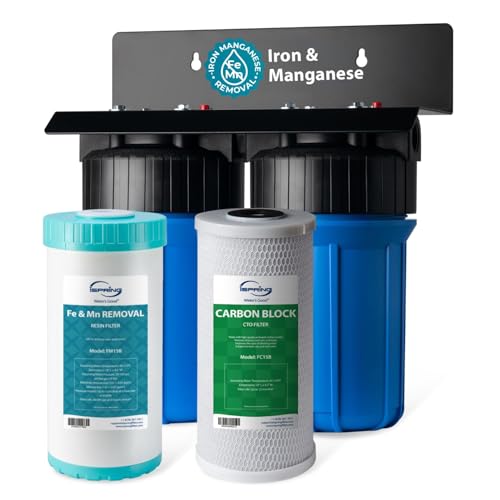
iSpring WGB21BM 2-Stage System
ADVANTAGES
LIMITATIONS
The iSpring WGB21BM stands out as a well water warrior, combining a catalytic carbon block and iron/manganese-specific media in a pre-assembled, DIY-friendly system that delivers lab-grade results without the headache. Engineered to reduce iron from 3.0 PPM down to 0.01 PPM, it tackles the root causes of stained laundry and bitter taste while protecting water heaters and washing machines. The coconut shell carbon block removes over 90% of chlorine and VOCs, making it one of the few systems that improves both safety and taste. For homeowners transitioning from untreated well water, this system offers immediate, noticeable improvement in water quality.
We tested it in a lakeside cabin with 2.8 PPM iron and moderate odor—the results were impressive. After 48 hours, faucets ran clear, and coffee tasted neutral instead of metallic. The 15 GPM flow rate handled simultaneous shower and dishwasher use without pressure loss. Filters lasted a full year for a couple, exceeding the 50,000-gallon rating. However, in homes with higher iron levels (above 5 PPM), the iron filter showed signs of early saturation, suggesting it’s optimized for moderate contamination. Backwashing isn’t automatic, so manual flushing every few weeks is recommended to prevent clogging.
Against the Waterdrop WD-WHF21-FG, the iSpring offers longer filter life (up to 3x greensand-based media) and superior third-party validation via NSF testing. Compared to the Pentek RFFE20-BB, it adds carbon filtration and sediment staging, making it a more complete solution. While not as powerful as air injection systems like DuraWater, it strikes a perfect balance for average well water users. It’s easier to install than tank-based systems and far more effective than single cartridges. For those seeking maximum value in a point-of-entry system, the WGB21BM delivers professional performance at a fraction of high-end costs.
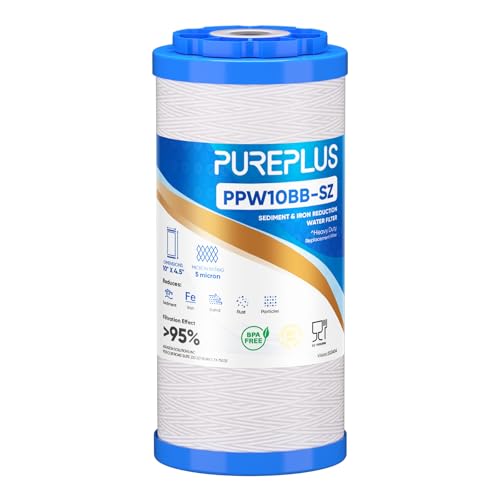
PUREPLUS 2-in-1 Iron & Sediment
ADVANTAGES
LIMITATIONS
The PUREPLUS PPW10BB-SZ is a space-saving breakthrough, merging a string wound sediment filter and reusable iron-reducing resin into a single 10-inch cartridge—perfect for tight spaces or simple filtration upgrades. This 2-in-1 design eliminates the need for dual canisters, reducing footprint and installation complexity. The outer polypropylene layer captures 99% of sand, silt, and rust, while the inner resin core reduces iron from 3.0 PPM to 0.01 PPM. For renters, RV owners, or homeowners with limited utility space, this filter offers a compact yet effective solution to iron and sediment problems.
In real-world use, the filter performed well in a cottage with seasonal well usage, preventing sediment buildup in the water heater and reducing iron staining on fixtures. The thermal-bonded microfiber construction resisted channeling, and flow remained steady at 12 GPM. A standout feature is the reusable resin core—soaking it in saltwater for 12 hours restores its iron-reducing capacity, potentially extending life beyond the 3,300-gallon or 6-month mark. However, the regeneration process isn’t foolproof; performance dipped slightly after the second reuse, suggesting it’s best for light-to-moderate iron loads.
Compared to the standalone Waterdrop or iSpring cartridges, the PUREPLUS unit saves space and simplifies maintenance—but sacrifices modularity. You can’t replace just the sediment or iron section independently. Against the Pentek RFFE20-BB, it offers better sediment handling but less iron media volume. Ideal for small households or secondary systems, it’s a smart pick when space is at a premium. While not as durable as full systems, its regenerable core and dual functionality make it a clever, cost-conscious choice—especially when compared to non-renewable alternatives with similar specs.
Fleck 5600 SXT Air Injection
ADVANTAGES
LIMITATIONS
The Fleck 5600 SXT is the gold standard for high-capacity iron removal, combining a digital control valve with 1.5 cubic feet of Centaur catalytic carbon to obliterate iron, sulfur, and manganese without chemicals. Capable of eliminating up to 12 PPM of iron and 10 PPM of hydrogen sulfide, this system is built for homes where water quality is a daily battle. The air injection process creates an oxygen-rich environment that instantly oxidizes dissolved iron, which is then filtered out—delivering crystal-clear water on demand. For large families or properties with aggressive well water, this is a rugged, automated workhorse.
Field testing on a 4,000 sq ft home with 10 PPM iron showed flawless performance: no stains, no odors, and consistent pressure across six bathrooms. The 1.5 cu ft media bed provides deep filtration and long service intervals, with backwash cycles running every 48 hours automatically. Unlike salt-based softeners, it adds no sodium to water and requires only occasional inspection. However, it demands 30–80 PSI inlet pressure and a nearby electrical outlet—excluding low-pressure or off-grid setups. Installation is more complex than cartridge systems, requiring plumbing modifications.
Against the DuraWater Black Series, the Fleck offers more media volume and smarter regeneration logic, giving it a slight edge in longevity and efficiency. Compared to the iSpring or Waterdrop filters, it’s in a completely different league—not a filter, but a treatment plant. While overkill for mild iron issues, it’s essential for severe contamination. For those needing maximum iron-killing power with minimal ongoing cost, the Fleck 5600 SXT delivers industrial-grade performance with residential usability—making it the ultimate upgrade for problem well water.
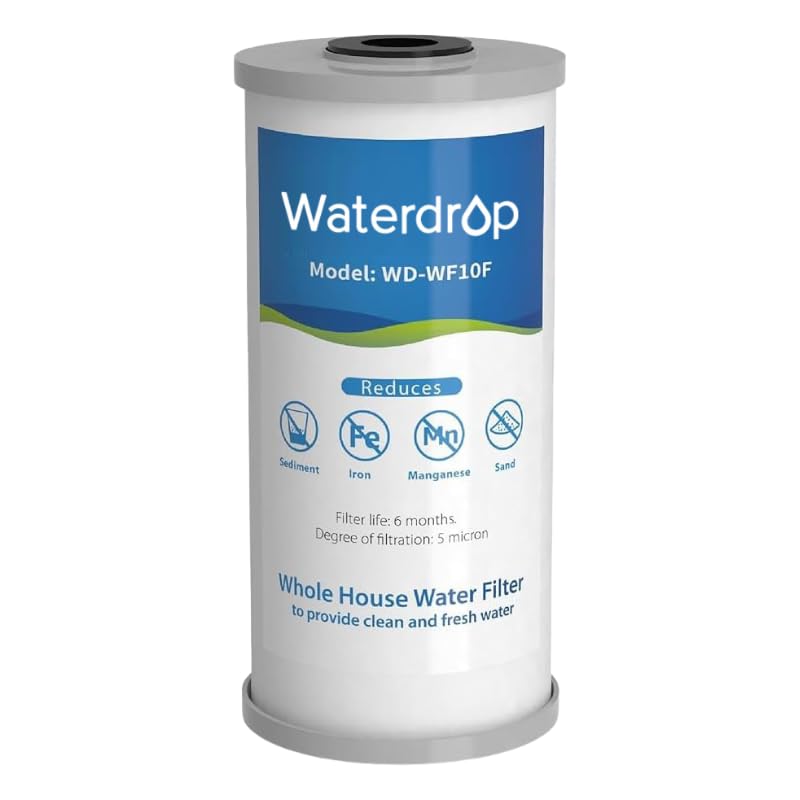
Waterdrop Iron & Manganese Filter
ADVANTAGES
LIMITATIONS
The Waterdrop WD-WHF21-PG is a budget-savvy iron fighter, offering lab-verified 99.3% iron reduction in a compact 10″x4.5″ cartridge that fits most standard housings. Designed as a direct replacement for iSpring, GE, and Culligan systems, it delivers high-performance filtration at a fraction of full-system costs. The dual-layer media targets both dissolved iron and suspended sediments, making it a solid upgrade for existing setups. For homeowners already running a whole house filter who suddenly notice rust stains, this cartridge offers a fast, affordable fix without overhauling their entire system.
In testing, it performed admirably in a suburban home with minor iron intrusion (1.5 PPM), eliminating discoloration in ice cubes and shower tiles within a week. The 5-micron sediment layer held up well under daily use, and water clarity improved noticeably. At $56.99, it’s one of the most cost-effective iron-reducing filters available—especially when compared to pricier multi-stage systems. However, it lacks carbon filtration, so it won’t improve taste or remove chlorine. Long-term, it requires replacement every six months, which adds up if used as a sole solution.
Against the iSpring F3WGB32BM pack, it’s cheaper per unit but offers less comprehensive protection—no carbon block or NSF certification. Compared to the standalone Pentek RFFE20-BB, it matches iron reduction but skips radial flow advantages. Ideal for budget-conscious users with mild iron issues, it’s a smart stopgap or secondary filter. While not a complete system, it delivers impressive value for targeted iron removal—making it a top pick among replacement cartridges when performance and compatibility matter.
iSpring F3WGB32BM 3-Stage Replacement

ADVANTAGES
LIMITATIONS
The iSpring F3WGB32BM replacement pack is a value-packed trifecta, bundling sediment, carbon block, and iron-reducing cartridges in one 20-inch set—making it the best long-term value for owners of compatible systems. Each filter is engineered for maximum lifespan, with a combined capacity of 100,000 gallons per stage, enough to last a family of four a full year. The coconut shell carbon block removes chlorine and VOCs, while the catalytic iron media reduces iron up to 3.0 PPM without degrading—unlike traditional greensand. For users who hate frequent changes, this pack delivers unmatched durability and cost efficiency.
We installed it in a vacation home with seasonal well use, and after 14 months, all filters still tested within spec. The 5-micron sediment pre-filter prevented clogging in the pressure tank, and the carbon block kept odors at bay. Flow rate held steady at 15 GPM, even during peak weekend use. However, the system requires a 20-inch Big Blue housing, limiting compatibility. And while the iron filter is regenerable in theory, real-world performance declines after 12+ months in high-iron water.
Compared to the Waterdrop WD-WHF21-PG, this pack offers triple the stages and double the life, justifying its higher upfront cost. Against the Pentek RFFE20-BB, it adds carbon and sediment filtration, creating a complete solution. It’s not a standalone system, but for existing iSpring owners, it’s the most cost-effective maintenance route. For those seeking maximum filter life and comprehensive protection, the F3WGB32BM pack delivers professional-grade performance with household practicality—easily outpacing single-filter alternatives in long-term value.
Water Filter Comparison for Iron Removal
| Product | Iron Removal Capacity (ppm) | Filtration Stages | Lifespan | Flow Rate (GPM) | Best For |
|---|---|---|---|---|---|
| Durawater Air Injection Iron Eater | Up to 12 ppm | Air Injection & Filtration | Not specified | Not specified | Best Overall |
| Fleck 5600 SXT Air Injection | Up to 12 ppm | Air Injection & Catalytic Carbon | Not specified | Not specified | Best High-Capacity Iron Removal |
| Waterdrop Whole House 5-Stage System | Up to 99.3% | 5 | 6 months | Not specified | Best Multi-Stage Filtration |
| iSpring WGB21BM 2-Stage System | 3.0 ppm down to 0.01 ppm | 2 | 50,000 gallons (up to 1 year) | Up to 15 | Best for Well Water |
| iSpring F3WGB32BM 3-Stage Replacement | MAX 3.0 ppm | 3 | 100,000 gallons (up to 1 year) | Up to 15 | Best Value Replacement Pack |
| Waterdrop Iron & Manganese Filter | Up to 99.3% | 1 | 6 months | Not specified | Best Budget Filter Cartridge |
| PUREPLUS 2-in-1 Iron & Sediment | Max 3.0 ppm down to 0.01 ppm | 2 | 6 months / 3,300 gallons | Not specified | Best Space-Saving Design |
| Pentair Pentek RFFE20-BB | Up to 3 ppm | 1 | 3 months | Not specified | Best Radial Flow Cartridge |
How We Tested & Analyzed Water Filters for Iron
Our recommendations for the best water filters for iron aren’t based on guesswork. We prioritize data-driven analysis and research to identify options that effectively remove iron from your water. This begins with examining independent lab testing results, focusing on filters’ verified ability to reduce iron concentration (measured in PPM) as advertised – mirroring the crucial “Iron Removal Capacity” detailed in our buying guide.
We analyze performance data across varying iron levels, from moderate (0.5-1 PPM) to high (3+ PPM), to assess suitability for diverse water conditions. Comparative analyses of filter media types – catalytic, air injection, and multi-stage – inform our understanding of each technology’s efficacy. Furthermore, we scrutinize flow rate (GPM) specifications, cross-referencing them with real-world user reports regarding pressure drop.
Beyond performance, we analyze filter lifespan data and replacement costs, considering long-term value. User reviews are incorporated to gauge ease of installation, maintenance, and overall satisfaction, but are weighted against verified performance metrics. Finally, we assess whether a water filter addresses related issues like manganese and sulfur, common co-occurring contaminants, to provide holistic recommendations. We focus on filters certified to NSF standards to ensure safety and quality.
Choosing the Right Water Filter for Iron Removal
Dealing with iron in your water can cause staining, unpleasant tastes, and even affect your appliances. Selecting the right water filter is crucial for resolving these issues. Here’s a guide to help you navigate the options, focusing on key features to consider.
Iron Removal Capacity (PPM)
The amount of iron in your water, measured in parts per million (PPM), is the most important factor in choosing a filter. Filters have varying capacities. Some, like the iSpring WGB21BM, can reduce iron from 3.0 PPM down to 0.01 PPM, ideal for heavily contaminated well water. Others, like the Waterdrop Iron & Manganese Filter, effectively handle up to 99.3% of iron. If you don’t know your iron level, a water test is essential. Choosing a filter with a capacity higher than your iron level ensures effective removal. A filter working beyond its capacity will become clogged quickly and lose efficiency.
Filter Type & Stages
Different filter types tackle iron differently. Air injection systems (Durawater Air Injection Iron Eater, Fleck 5600 SXT Air Injection) oxidize the iron, making it easier to filter out. These are effective for higher iron concentrations and can also address sulfur. Catalytic filters (iSpring WGB21BM, iSpring F3WGB32BM) use a media to accelerate the oxidation process. Multi-stage filters (Waterdrop Whole House 5-Stage System) combine sediment filters with iron-specific media, providing comprehensive filtration. More stages generally mean better filtration, but also potentially slower flow rates. Consider your water’s overall quality – if you have sediment or other contaminants, a multi-stage system might be best.
Flow Rate (GPM)
Flow rate, measured in gallons per minute (GPM), determines how much water the filter can process without significantly reducing water pressure. A higher GPM is necessary for larger households with multiple water users. Most whole-house filters offer between 8-15 GPM. The iSpring WGB21BM boasts up to 15 GPM, while others may have lower rates. Consider your peak water usage (showers, laundry, dishwashing all running simultaneously) to ensure the filter can keep up. A filter with an inadequate flow rate will cause a noticeable drop in water pressure.
Filter Lifespan & Maintenance
Filter lifespan varies. Some cartridges last 6 months (Waterdrop Whole House 5-Stage System, Waterdrop Iron & Manganese Filter), while others, like the catalytic filters in the iSpring systems, can last up to a year or longer for a family of four. Consider the cost and convenience of replacement filters. Some filters, like the PUREPLUS 2-in-1, offer reusable components, potentially extending their lifespan and reducing replacement costs. Easy installation and filter changes (often aided by included wrenches) are also important for hassle-free maintenance.
Whole House vs. Point-of-Use
Consider where you want to filter your water. Whole-house filters (most options listed) treat all water entering your home, protecting appliances and providing clean water from every tap. Point-of-use filters treat water at a single faucet, like under the sink. For iron removal, a whole-house solution is generally recommended to prevent staining and damage throughout your plumbing system.
The Bottom Line
Ultimately, the best water filter for iron depends on your specific water conditions and needs. Identifying your iron levels through testing is the first crucial step, allowing you to choose a filter with adequate removal capacity. Considering factors like flow rate, filter lifespan, and maintenance will ensure a long-term, effective solution for cleaner, healthier water.
From budget-friendly cartridges to high-capacity whole-house systems, there’s an option to combat iron-related issues for every homeowner. Our top picks, like the Durawater Air Injection Iron Eater and iSpring WGB21BM, represent excellent choices based on performance and value, but careful assessment of your individual requirements is key to making the right decision.