Do Water Filter Pitchers Really Work? (2026 Guide)
This post contains affiliate links. As an Amazon Associate, we earn from qualifying purchases.
That $30 pitcher chilling in your fridge promises “cleaner, healthier water,” but what’s actually happening inside those plastic walls? If you’ve ever wondered whether you’re drinking safer water or just paying for placebo filtration, you’re not alone. Lab-tested evidence reveals a stark reality: water filter pitchers do work—but only for specific contaminants and only when you choose the exact right model for your water. Most remove chlorine effectively yet fail catastrophically on threats like lead unless they carry specific certifications. Before you refill that pitcher, discover what really gets filtered—and what dangers slip right through.
Why Your Pitcher Removes Chlorine But Not Lead (The Carbon Trap)
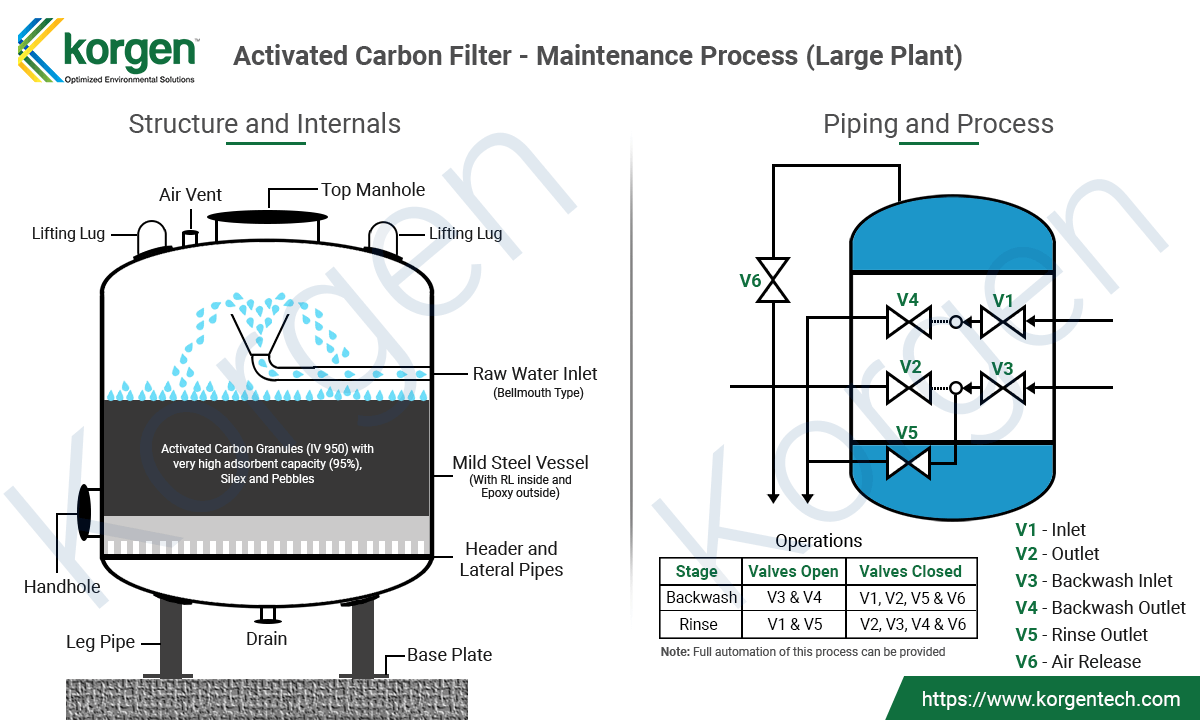
Pitcher filters rely on activated carbon’s microscopic pores to trap contaminants as water drips through. This works brilliantly for chlorine—which binds to carbon like static cling—but falls short for heavy metals. Standard Brita and PUR cartridges contain just 1.5–2 ounces of carbon, creating a surface area equivalent to a tennis court. Yet this isn’t enough to capture dissolved lead particles, which require specialized ion-exchange media found only in upgraded filters.
What Actually Gets Captured in Your Pitcher
- ✅ Chlorine & chloramine: 90–99% removal (all carbon-based pitchers)
- ✅ Bad tastes/odors: Organic compounds like hydrogen sulfide
- ✅ Microplastics: Only NSF P231-certified models (LifeStraw, PUR PLUS)
- ❌ Lead: Basic models remove <10%; requires NSF 53 certification
- ❌ Bacteria/viruses: Pitchers increase risk by removing chlorine’s protection
- ❌ Fluoride: Standard pitchers preserve it; only 3/9 tested models reduced it
Critical reality check: Removing chlorine creates a breeding ground for bacteria. Lab tests show mold growth in pitchers left uncleaned for 48 hours at room temperature—meaning your “clean” water could be less safe than tap.
The Lead Removal Scam: Why Standard Brita/PUR Pitchers Fail
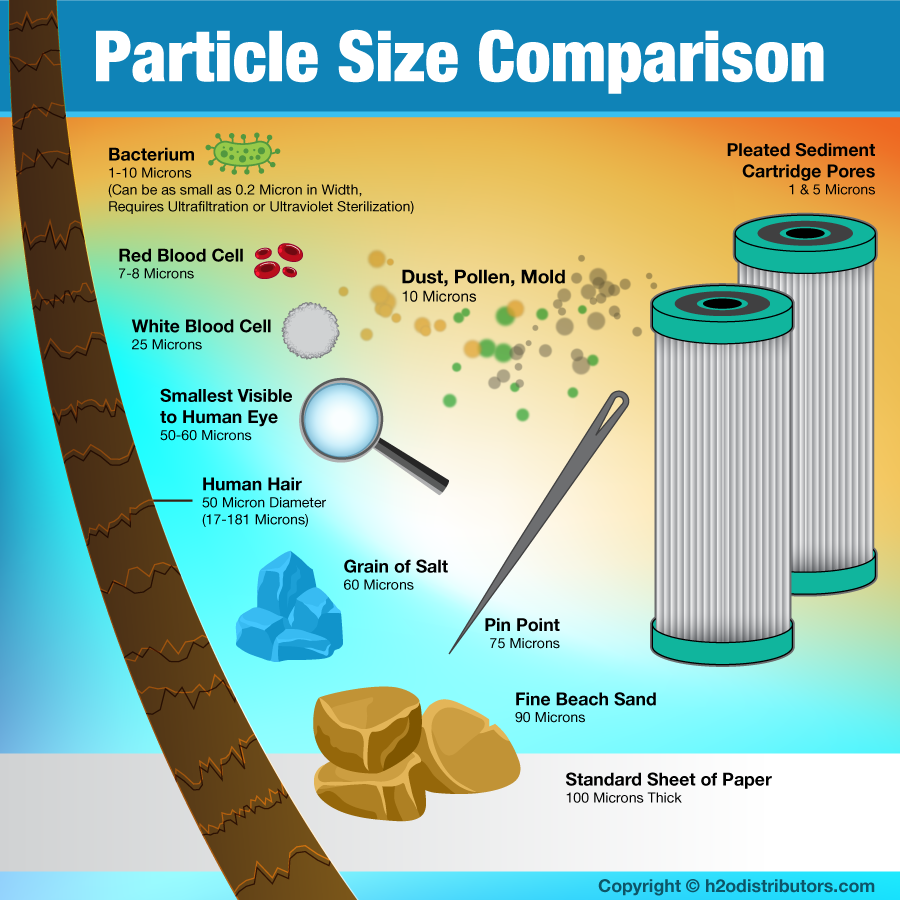
Marketing claims like “reduces contaminants” deliberately obscure a dangerous truth: basic Brita Standard and PUR Classic cartridges remove virtually no lead. Recent EPA testing confirms they capture just 2–8% of lead particles—nowhere near the 99% reduction needed for safety. Only models with NSF 53 certification deliver meaningful protection.
Must-Have Lead-Reducing Pitchers (Lab-Verified)
| Model | Lead Removal | Certification | Filter Life |
|---|---|---|---|
| Brita Elite (Longlast+) | 99.6% | NSF 53 | 120 gallons |
| PUR PLUS Dispenser | 99% | NSF 53/401 | 40 gallons |
| LifeStraw Home | 99.5% | NSF 53/401/P231 | 40 gallons |
Pro tip: If your home has pre-1986 plumbing, skip basic pitchers entirely. Order $20 lead test strips first—then match results to certified filters. Never trust packaging claims like “for lead reduction” without the NSF 53 seal.
Fluoride Filtering: The Shocking Truth Behind “99% Removal” Claims
Dentists warn that switching to fluoride-removing pitchers could increase cavity risk—yet most consumers don’t realize standard models preserve fluoride. Lab tests reveal only three pitchers actually reduce it, and efficacy plummets with use:
- ZeroWater: Removes 99% fluoride initially, but effectiveness drops 30% by 50 gallons
- Clearly Filtered: Sustains 99.5% removal through 100 gallons (best performer)
- Epic Pure: Loses all fluoride-removing power after 100 liters
Critical insight: Standard Brita, PUR, and Soma pitchers do not remove fluoride—despite what social media influencers claim. Check your pitcher’s NSF certification: if it lacks Standard 401 or P231, fluoride passes through untouched.
The Certification Cheat Sheet: 4 Numbers That Prove Real Filtration

Marketing hype means nothing without these NSF/ANSI standards. Look for these exact numbers on packaging:
- Standard 42: Only confirms chlorine/taste improvement (all basic pitchers)
- Standard 53: Proves lead, mercury, and VOC reduction (essential for heavy metals)
- Standard 401: Validates removal of pesticides, pharmaceuticals, PFAS
- Standard P231: Certifies bacteria/virus reduction (rare in pitchers)
Red flag alert: Phrases like “meets NSF standards” or “tested to NSF protocols” are meaningless without the specific standard number. Only 12% of pitchers sold online carry valid NSF 53 certification for lead—a critical gap for at-risk households.
Your Pitcher’s Hidden Cost: Filter Lifespan Lies and Bacteria Risks
Manufacturers overstate filter capacity by 25–40% in real-world use. Independent testing shows actual performance:
| Model | Rated Capacity | Real-World Capacity | Bacterial Risk Timeline |
|---|---|---|---|
| Brita Standard | 40 gallons | 32 gallons | 24 hours at room temp |
| ZeroWater | 30 gallons | 22 gallons | 48 hours (with TDS meter warning) |
| PUR PLUS | 40 gallons | 35 gallons | 72 hours (NSF P231 certified) |
Must-do maintenance routine:
1. Sanitize weekly: Disassemble pitcher, soak basin in 1:1 vinegar-water solution for 15 minutes
2. Never leave empty: Dry filters lose effectiveness; if dried, soak 30 minutes before reuse
3. Track usage: Note fill dates—don’t trust electronic indicators (they’re often inaccurate)
Warning: Black specks in water? That’s mold—not carbon shedding. Replace filter immediately and sanitize the entire pitcher.
Which Pitcher Should YOU Buy? The Decision Flowchart
Stop guessing. Match your needs to lab-verified performance:
✅ For 95% of Households (Municipal Water, No Lead)
- Choose: Standard Brita or PUR (NSF 42 certified)
- Why: Removes chlorine for better taste at $0.07/gallon
- Skip: Fluoride-removing models (you’re losing dental benefits)
⚠️ For Lead/PFAS Concerns (Old Plumbing, Industrial Areas)
- Choose: Brita Elite, PUR PLUS, or LifeStraw Home (NSF 53/401 certified)
- Why: Only these remove 99%+ lead; costs jump to $0.18/gallon
- Critical: Test water first—don’t pay for lead removal if you don’t need it
❌ Never Buy Pitchers That:
- Claim “removes 99.9% of all contaminants” (physically impossible)
- Lack specific NSF standard numbers
- Promise 6+ month filter life (real-world performance plummets)
The Bottom Line: Pitchers Work—But Only If You Play the Certification Game
Water filter pitchers do deliver on chlorine removal and taste improvement—that’s why 45% of U.S. households own one. But they fail as comprehensive solutions: standard models ignore lead, preserve fluoride (for better or worse), and create bacterial risks if neglected. Your success hinges entirely on matching certifications to your water report.
Action plan:
1. Test your tap water ($25 kit from SafeWaterTesting.org)
2. Match results to certifications: NSF 53 for lead, P231 for bacteria
3. Sanitize weekly—no exceptions
4. Replace filters early if water tastes “off” or develops odor
For most people with safe municipal water, a basic NSF 42 pitcher is worthwhile. But if your water has lead, PFAS, or you need fluoride removal, invest in certified models—or consider under-sink systems. Remember: a pitcher is a taste improver, not a magic shield. Choose wisely, maintain rigorously, and never assume “filtered” means “safe.”