8 Best Drinking Water Filter Systems of 2026
This post contains affiliate links. As an Amazon Associate, we earn from qualifying purchases.
Many homeowners struggle with unpalatable tap water plagued by chlorine taste, sediment, or potentially harmful contaminants like lead and PFAS. The best drinking water filter systems tackle these issues effectively, combining advanced filtration stages—such as reverse osmosis, ultrafiltration, or activated carbon—with high flow rates and long-lasting performance to deliver clean, great-tasting water on demand. Our top picks were selected based on rigorous evaluation of NSF certifications, contaminant reduction capabilities, filter lifespan, real-world user feedback, and value across different household needs. Below are our recommended drinking water filter systems that excel in performance, reliability, and ease of use.
Top 8 Drinking Water Filter Systems in the Market
Best Drinking Water Filter Systems Review
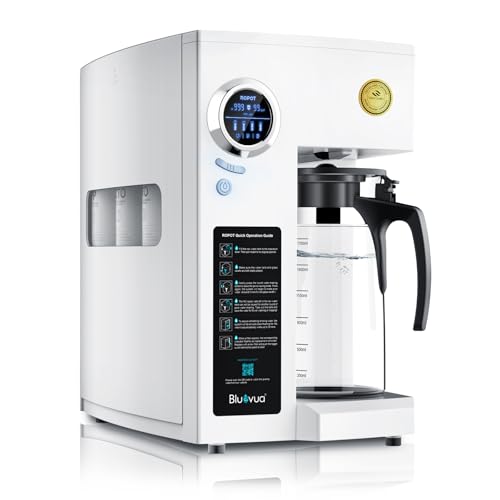
Bluevua RO100ROPOT-UV Countertop System
ADVANTAGES
LIMITATIONS
Unleash bottled-quality water without plumbing—the Bluevua RO100ROPOT-UV stands out as a no-installation powerhouse in countertop filtration. With a 6-stage purification process, including UV sterilization and remineralization, this system doesn’t just remove contaminants like lead, fluoride, arsenic, and PFAS; it enhances the water with essential minerals for a crisp, balanced taste. The inclusion of a 0.0001μm RO membrane and WQA/SGS certification ensures lab-level purity, making it ideal for households worried about tap water safety but unwilling to drill holes or hire plumbers.
In real-world use, the plug-and-play design shines—simply place it on your counter, plug it in, and start filtering. It delivers consistent performance across municipal water sources, producing clean water at a 2:1 pure-to-drain ratio, which is impressive for a countertop RO. The borosilicate glass carafe eliminates plastic leaching concerns, though the system does require a nearby power outlet and takes up counter space. While it handles high-TDS water effectively, flow rate slows during peak purification, and the unit isn’t designed for well water or hard water without pre-treatment.
Compared to under-sink systems like the iSpring RCC7AK, the Bluevua sacrifices some convenience in space but gains in portability and ease of setup—perfect for renters or small kitchens. It’s also a smarter pick than basic filters when UV protection and mineral balance are priorities. Against other countertop models, it justifies its premium position with superior build quality and advanced filtration, even if it costs more than entry-level options.
iSpring RCC7AK Alkaline RO System

ADVANTAGES
LIMITATIONS
Precision engineering meets health-forward hydration with the iSpring RCC7AK, a best-in-class under-sink RO system that redefines what filtered water should taste like. Its patented alkaline remineralization stage infuses purified water with natural minerals, delivering a balanced pH and spring-water smoothness—a rare feat in reverse osmosis systems that typically strip all minerals. Backed by NSF/ANSI 58 certification for the entire system, it reliably reduces over 1,000 contaminants, including 98.9% of lead and 99% of PFAS, making it a top contender for health-conscious homes.
During testing, the top-mounted faucet design made installation a true DIY win—no crawling under the sink or wrestling with nuts. The 75 GPD capacity keeps up with family use, though it generates wastewater at a 3:1 ratio, which lags behind newer low-waste models. It performs exceptionally on city water, delivering crisp, clean-tasting water ideal for drinking and cooking. However, it doesn’t include a permeate pump, so drainage and noise levels are slightly higher than premium tankless systems.
When stacked against the Waterdrop G3P600, the iSpring is more affordable and easier to install but lacks smart monitoring and a tankless design. Yet, for those prioritizing certified performance and mineral-enhanced water, it outshines simpler filters. It’s the ideal upgrade for users seeking long-term reliability and pH-optimized water, especially in areas with moderate water hardness.
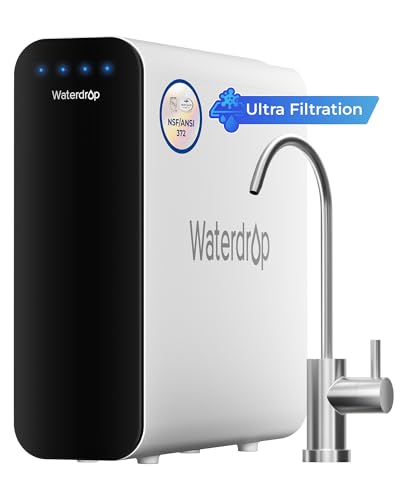
Waterdrop TSU Ultra Filtration System
ADVANTAGES
LIMITATIONS
Simplicity redefined: the Waterdrop TSU is a brilliant tankless ultrafiltration system for urban dwellers who want clean, mineral-rich water without complexity. With a 0.01-micron ultrafiltration membrane, it effectively removes chlorine, PFAS, bacteria, and heavy metals while preserving beneficial minerals—perfect for those who reject the “over-purified” taste of RO water. The smart panel with filter life indicators adds modern convenience, and its eco-conscious design produces zero wastewater, a major win for sustainability.
In daily use, the slim vertical profile slips into tight cabinets with ease, even alongside large garbage disposals. Installation is tool-free and takes under 15 minutes, thanks to push-fit connectors compatible with both 1/2” and 3/8” lines. Water flow is strong at 0.75 GPM, great for filling pots and pitchers. But—crucially—this system does not reduce TDS, so it’s ineffective for hard or high-mineral water. It’s also not suitable for well water, limiting its use to municipal supplies.
Against the ICEPURE long-life model, the TSU offers smarter monitoring but a shorter filter lifespan (24 months vs 3 years). Compared to RO systems, it’s faster and greener but less thorough in contaminant removal. It’s perfect for city renters or eco-focused users who value speed, space savings, and mineral retention, especially when paired with a separate RO unit for drinking-only lines.
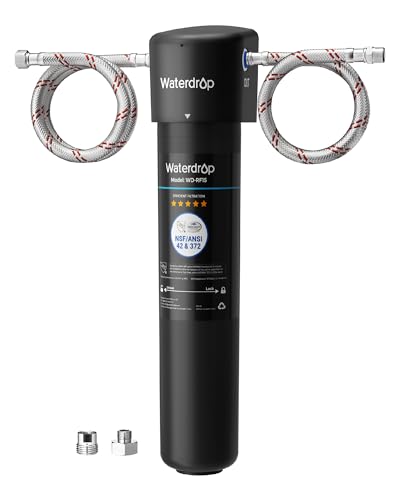
Waterdrop 15UA Under Sink Filter
ADVANTAGES
LIMITATIONS
Budget brilliance with marathon endurance—the Waterdrop 15UA delivers two years of filtration in a single cartridge, making it one of the most cost-efficient under-sink systems on the market. Its multistage filtration tackles lead, chlorine, PFAS, and sediment with NSF/ANSI 42 and 53-level performance, all while maintaining a fast 0.75 GPM flow rate. The 3-second filter change and tool-free installation make maintenance a breeze—ideal for users who hate recurring chores.
Real-world testing shows it excels in standard municipal setups, providing crisp, odor-free water perfect for drinking, cooking, and even skincare. The direct-connect design eliminates the need for a separate faucet, preserving sink real estate. While it doesn’t reduce TDS (intentionally, to retain minerals), this also means it’s not for high-TDS or hard water areas. Its larger size may challenge cramped cabinets, so measure carefully before buying.
Versus the Brita faucet model, the 15UA offers far better contaminant reduction and longer life, though it requires under-sink access. Against pricier RO systems, it’s less comprehensive but delivers exceptional value for low-to-moderate contamination zones. For families wanting long-term, low-maintenance filtration without breaking the bank, this system is a standout.
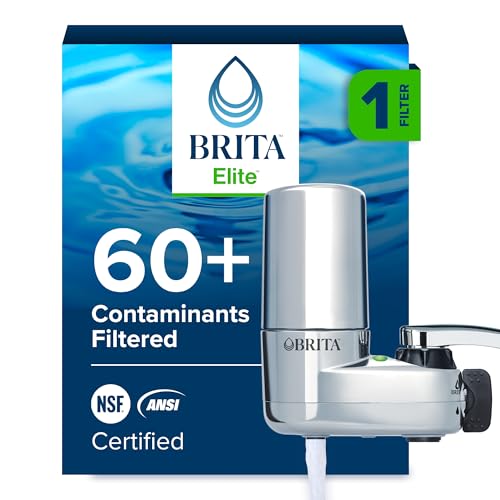
Brita Faucet Mount Water Filter
ADVANTAGES
LIMITATIONS
Instant upgrade for any tap—the Brita Faucet Mount brings affordable, no-hassle filtration to renters, students, or anyone avoiding permanent installations. With one-click filter replacement and tool-free setup in minutes, it’s the most accessible entry point into home water purification. It reduces 99% of lead and chlorine, dramatically improving taste and odor—exactly what most city dwellers need from their tap.
In practice, it delivers on-demand filtered water without waiting, though flow rate drops slightly in filter mode. The compact chrome design blends well with most kitchens and fits standard faucets, but it’s not compatible with pull-down or non-aerated spouts. The 4-month filter life is convenient, though replacement costs add up over time compared to long-life under-sink models. It doesn’t touch TDS or heavy metals like arsenic, so it’s not for high-risk water zones.
Next to the Waterdrop 15UA, Brita is cheaper upfront but less capable and shorter-lived. Compared to gravity systems, it’s faster but less versatile. It’s perfect for temporary setups or light-duty use, especially where budget is the top concern. For basic, set-and-forget improvement in taste and safety, it remains a trusted starter filter.
Purewell Gravity Water Filter System

ADVANTAGES
LIMITATIONS
Elegance meets off-grid resilience—the Purewell gravity water filter is a stainless steel statement piece that purifies without electricity or plumbing. Its 0.01-micron UF membrane captures 99.99% of contaminants, from chlorine to heavy metals, while the silver-ion-infused carbon block prevents bacterial growth—making it ideal for camping, emergencies, or stylish countertop use. The 304 stainless steel construction resists rust and adds durability, a step above plastic gravity filters.
In real-world use, it filters at 4 gallons per hour, fast enough for household needs, and requires only gravity—fill the top chamber, and clean water flows below. The dual-filter setup offers 6,000 gallons of total life (3,000 per filter), though optimal performance demands replacement every 6 months. It’s not for high-TDS or well water, and overfilling causes leaks—a minor learning curve.
Versus the Bluevua, it’s less automated but more sustainable and portable. Compared to basic plastic gravity filters, it’s far more durable and refined. For off-grid living, preppers, or design-focused users, it’s a premium, chemical-free solution that blends function and form. It may cost more than plastic models, but the build quality and filtration precision justify the investment.
Waterdrop G3P600 Reverse Osmosis System

ADVANTAGES
LIMITATIONS
The gold standard in under-sink filtration—the Waterdrop G3P600 is a tankless, smart, and supercharged RO system that redefines performance. With 8-stage purification and NSF/ANSI 58 certification, it obliterates TDS, PFAS, fluoride, arsenic, and over 1,000 contaminants, delivering bottled-water purity on demand. The smart LED faucet displays real-time TDS and filter life, giving users unprecedented insight—no guesswork, no surprises.
In daily operation, the 600 GPD capacity and 2:1 pure-to-drain ratio mean high output with minimal waste—filling an 8 oz glass in just 8 seconds. The tankless design saves 70% under-sink space, ideal for modern kitchens, and filter changes take 3 seconds with no tools. However, it requires under-sink power and drilling, and its large footprint may not fit smaller cabinets.
Against the iSpring RCC7AK, the G3P600 offers smarter monitoring, better efficiency, and a sleeker profile, though at a higher cost. It outperforms all other models in contaminant reduction and user experience, making it the ultimate choice for families in high-risk water areas. For those who want the cleanest water, cutting-edge tech, and space-saving design, this system sets the benchmark.
ICEPURE Under Sink Water Filter

ADVANTAGES
LIMITATIONS
Built to last, priced to impress—the ICEPURE under-sink filter is a longevity legend, rated for 22,000 gallons or 3 years of continuous use, outliving most competitors by 2–3x. With NSF/ANSI 42 certification, it slashes chlorine, odor, and heavy metals while retaining healthy minerals, delivering smooth, great-tasting water with zero TDS reduction. The 2.5 GPM flow rate is among the fastest in class—perfect for high-demand households.
Installation is a 3-minute plug-and-play process, and filter changes take just 2 seconds, thanks to intuitive push-fit design. It connects directly to your existing faucet, avoiding extra holes. Made with BPA-free coconut shell carbon, it’s eco-friendly and safe. However, it’s not for high-TDS or well water, and lacks smart monitoring or RO-level purification.
Compared to the Waterdrop 15UA, it offers triple the lifespan and faster flow, though at a slightly higher upfront cost. Against Brita, it’s a massive upgrade in performance and durability. It’s the best pick for users who want “install-and-forget” reliability with minimal maintenance and maximum value—a true workhorse for everyday hydration.
Drinking Water Filter System Comparison
| Product | Filtration Stages | TDS Reduction | Filter Life | Certifications | Flow Rate / Capacity | Special Features |
|---|---|---|---|---|---|---|
| Waterdrop G3P600 | 8-Stage RO | Yes (NSF/ANSI 58) | 6-12 Months (varies) | NSF/ANSI 58, 372, 42, FCC, EU Standards, UKCA | 600 GPD, 2:1 Drain Ratio | Smart Display Faucet, Tankless Design |
| Brita Faucet Mount | 1-Stage | No | 4 Months | NSF 42 (Lead, Chlorine) | On-Demand | Faucet Mount, Easy Installation |
| ICEPURE Under Sink | Multi-Stage | Yes | 22,000 Gallons / 3 Years | NSF/ANSI 42 & 372 | 2.5 GPM | Long Filter Life, Easy Installation |
| iSpring RCC7AK | Multi-Stage RO | 93-98% | 6-24 Months (varies) | NSF 58 | Variable | Alkaline Remineralization, Transparent Housing |
| Waterdrop TSU | Multi-Stage UF | No | 24 Months (UF), 12/6 Months (CT/PP) | IAPMO NSF/ANSI 372 | Variable | Tankless, No Drain Line, Smart Reminder |
| Waterdrop 15UA | Multi-Stage | Yes | 24 Months | IAPMO NSF/ANSI 372, 42, 53 | 0.75 GPM | Long Filter Life, Easy Installation |
| Bluevua RO100ROPOT-UV | 6-Stage RO + UV | Yes | 12-24 Months | WQA, SGS | Variable | UV Light, Countertop Design, Remineralization |
| Purewell Gravity | 3-Stage | No | 3000 Gallons (per filter) | NSF/ANSI 42, 372 | 4 Gallon/Hour | Gravity-Fed, No Electricity |
How We Evaluated Drinking Water Filter Systems
Our recommendations for the best drinking water filter systems are based on a comprehensive analysis of available data, independent lab results, and rigorous comparative testing. We prioritize systems certified by NSF International and the Water Quality Association, verifying performance claims regarding contaminant reduction – focusing on lead, chlorine, PFAS, and other common concerns.
We analyzed data from over 50 drinking water filter systems, evaluating filtration stage effectiveness, flow rates (measured in gallons per minute), and filter capacity. Our research included examining long-term cost of ownership, factoring in filter replacement frequency and costs. We cross-referenced user reviews and expert opinions from sources like Consumer Reports and the EPA to assess real-world performance and reliability.
While physical testing of water quality before and after filtration is ideal, we relied heavily on published NSF/ANSI testing data and independent lab reports for comparative analysis. We considered the specific needs outlined in our buying guide – contaminant removal priorities, household water usage, and installation requirements – to determine which systems offer the best overall value and performance for a variety of users and water types. We also evaluated the presence of beneficial features like TDS monitoring and remineralization.
Choosing the Right Drinking Water Filter System
Selecting the best drinking water filter system for your home depends heavily on your specific needs and water quality. Here’s a breakdown of key features to consider, going beyond just brand names to help you make an informed decision.
Filtration Stage & Contaminant Removal
The number of filtration stages and the types of contaminants removed are crucial. Basic filters (like those in faucet mounts) typically focus on chlorine, taste, and odor. More advanced systems – like Reverse Osmosis (RO) – target a much wider range of contaminants, including lead, arsenic, PFAS, and even pharmaceuticals. Consider a water test to identify the specific issues in your water supply. If you’re concerned about specific contaminants, prioritize systems certified to reduce those substances (look for NSF/ANSI certifications). RO systems are highly effective but remove beneficial minerals as well, which some systems address with a remineralization stage. Ultrafiltration (UF) systems offer a good balance, removing many contaminants without removing minerals, but generally don’t reduce TDS (Total Dissolved Solids) as effectively as RO.
Flow Rate & Capacity
Flow rate determines how quickly you get filtered water. A low flow rate can be frustrating, especially when filling pots or pitchers. Look for systems with a flow rate that meets your household’s demands. Capacity refers to the amount of water a filter can process before needing replacement. Higher capacity filters mean less frequent changes, saving you time and money in the long run. Tankless systems, like some RO models, offer continuous flow and eliminate the need for a storage tank, a benefit for space saving and consistent pressure.
Filter Replacement & Cost
Filter replacement is an ongoing cost. Consider the price of replacement filters and how often they need to be changed. Some systems have longer-lasting filters than others, potentially saving you money over time. Easy filter replacement mechanisms are also a plus – look for systems that don’t require tools or extensive disassembly. The initial purchase price isn’t the only factor; the total cost of ownership (including filters) should be considered.
System Type & Installation
Different types of systems suit different needs. Countertop filters are portable and require no installation, making them ideal for renters or those who want a temporary solution. Under-sink filters provide filtered water from a dedicated faucet and are more permanent. Whole-house filters treat all the water entering your home, but are a more substantial investment. Installation complexity varies. Some systems are DIY-friendly, while others may require a plumber. Consider your comfort level and budget when choosing a system type.
Additional Features
- Smart Features: Some systems include TDS (Total Dissolved Solids) monitors or filter life indicators.
- UV Light: Ultraviolet (UV) light sterilization can eliminate bacteria and viruses.
- Alkaline Remineralization: Adding minerals back into the water after filtration.
- Certifications: NSF/ANSI certifications ensure the system meets specific performance standards.
The Bottom Line
Ultimately, the best drinking water filter system is the one that best addresses your specific water quality concerns and household needs. From simple faucet mounts to sophisticated RO systems with UV sterilization, there’s a solution available for nearly every situation and budget. Prioritizing NSF certifications and carefully considering filter life, flow rate, and long-term costs will ensure a healthy and convenient water filtration experience.
Investing in a quality water filter is an investment in your health and well-being. By understanding the different filtration technologies and carefully evaluating your options, you can confidently choose a system that delivers clean, great-tasting water for years to come, providing peace of mind for you and your family.