Yes, a refrigerator water filter can remove microplastics, but effectiveness varies by filter type.
This post contains affiliate links. As an Amazon Associate, we earn from qualifying purchases.
That glass of “filtered” water from your refrigerator might be delivering more plastic than pure hydration. Recent testing confirms what many health-conscious consumers fear: standard refrigerator water filters provide almost no protection against microplastics—those invisible plastic particles now found in nearly every water source worldwide. While these convenient filters improve taste and remove chlorine, they fail catastrophically against particles smaller than 5 microns, precisely where most microplastics exist. This guide reveals why your current system isn’t protecting you and exactly what filtration technology will eliminate this hidden threat from your drinking water.
Refrigerator Filter Microplastic Reality Check
Your refrigerator water filter achieves less than 5% removal of microplastics under 5 microns—rendering it virtually useless against the most common plastic contaminants. This isn’t due to clogged filters or improper maintenance; it’s a fundamental design flaw in activated carbon technology that dominates refrigerator filtration.
Why Carbon Filters Fail Against Microplastics
Activated carbon—the core technology in every major refrigerator brand’s filter—operates with pore sizes between 5-20 microns, while microplastics measure from 100 nanometers to 5 millimeters. This size mismatch means most plastic particles sail straight through your filter undetected.
Critical limitations that doom refrigerator filters:
– Pore structure mismatch: Carbon particles measure 0.8-1.0 mm, creating gaps 100 times larger than the tiniest microplastics
– Inadequate contact time: Water flows too quickly through the filter for effective particle capture
– Misleading certifications: NSF 42/53 standards only address particles >30-50 microns—missing microplastics entirely
How Your Refrigerator Actually Increases Microplastic Levels
Shockingly, your refrigerator water system actively contributes to microplastic contamination through multiple internal sources:
- Plastic tubing breakdown: PE (polyethylene) and PVC components continuously shed particles into your water
- Reservoir contamination: Plastic storage containers accumulate microplastics over time, releasing them with each pour
- Filter degradation: Carbon particles themselves become secondary contamination sources as they break down
- Aging effects: Systems over 2 years old dramatically increase particle shedding rates
Documented Microplastic Health Threats
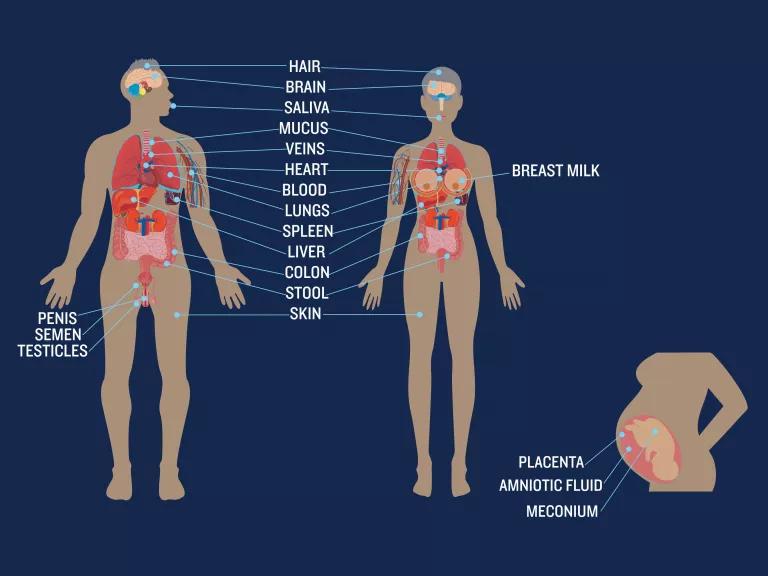
Microplastics aren’t just an environmental concern—they pose direct, confirmed health risks through multiple exposure pathways. These particles accumulate in human organs, disrupt hormones, and trigger inflammatory responses at cellular levels.
Real-World Contamination Levels You’re Facing
| Water Source | Average Particles/Liter | Maximum Detected |
|---|---|---|
| Tap water | Location-dependent | Varies widely |
| Bottled water | 325 | 10,000 (Nestle Pure Life) |
| Groundwater | 15.2 | Found in Illinois aquifers |
| Antarctica snow | First detected 2022 | Global contamination confirmed |
Critical health impacts documented in peer-reviewed studies:
– Immediate cellular damage occurs when microplastics penetrate cell membranes
– Hormonal disruption affecting reproductive health and development
– Increased cancer risk from chemical additives in plastics
– Organ accumulation in liver, kidneys, and brain tissue
– Digestive system irritation from physical particle contact
Effective Microplastic Removal Solutions That Actually Work

Reverse Osmosis: 99.9% Microplastic Elimination
RO systems deploy 0.0001 micron membranes—100,000 times smaller than the largest microplastics—making them the gold standard for complete protection. Unlike refrigerator filters, RO addresses the actual size range of microplastic contamination.
Three installation options for your home:
– Countertop units: No plumbing required, perfect for renters ($200-$400)
– Under-sink systems: Hidden installation with continuous supply ($300-$600)
– Whole-house RO: Complete protection including bathing water ($1,500-$3,000)
Five-stage filtration process that eliminates microplastics:
1. Sediment pre-filter catches large particles
2. Carbon pre-filter removes chlorine and taste issues
3. RO membrane blocks 99.9%+ of microplastics and heavy metals
4. Post-carbon filter polishes final taste
5. Remineralization stage adds beneficial minerals (optional)
Ultrafiltration: 95-99% Microplastic Removal Without Wastewater
Ultrafiltration systems use 0.02 micron membranes—200 times smaller than the largest microplastics—with significant advantages over reverse osmosis:
- Zero wastewater production compared to RO’s 3-4:1 waste ratio
- Mineral retention keeps healthy elements in your water
- Faster filtration delivers 1 gallon per minute
- Lower pressure requirements work with standard home water pressure
Distillation Systems: Purest Water Possible
Distillation achieves 99.9%+ removal by boiling water and collecting only the vapor, leaving all contaminants—including microplastics—behind. While slower and more energy-intensive, countertop distillers ($150-$300) provide the purest drinking water available.
Testing Your Current Water for Microplastics
Why Home Testing Won’t Work
No consumer-grade test kits exist for microplastic detection—you can’t simply buy a strip at the hardware store. Professional laboratory analysis remains the only reliable method, involving:
- Stereo microscopy at 10-80× magnification for particle identification
- Grid-based counting for accurate quantification
- Strict contamination prevention using HEPA filtration and plastic-free equipment
California now mandates quarterly microplastic testing for water suppliers starting fall 2023, signaling that nationwide requirements are coming. Until then, assume your refrigerator-filtered water contains significant microplastic contamination.
Immediate Action Plan to Protect Your Family
72-Hour Microplastic Reduction Strategy
Today:
– Stop using your refrigerator water dispenser immediately
– Purchase glass or stainless steel bottles for water storage
– Research countertop RO systems for quick implementation
Within 1 week:
– Install a countertop RO unit for immediate protection
– Discard all plastic water containers, even BPA-free varieties
– Educate family members about microplastic sources
Long-Term Protection System Selection
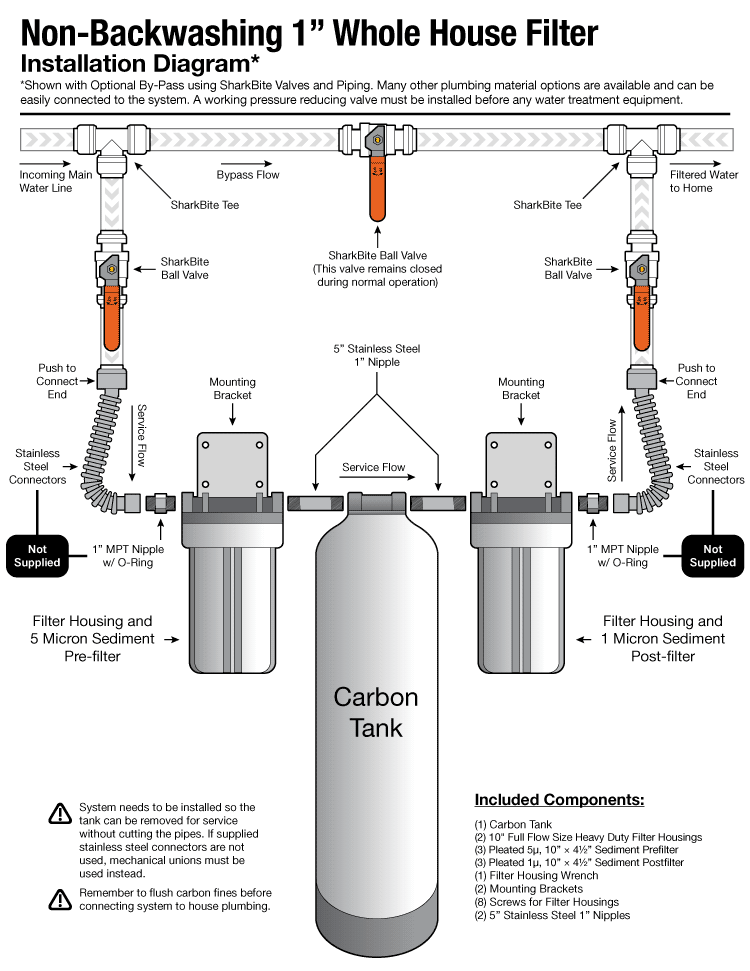
Choose based on your living situation:
– Renters: Countertop RO (portable, no installation required)
– Homeowners: Under-sink RO (permanent, hidden installation)
– Large families: Whole-house RO (complete home protection)
– Budget-conscious: Ultrafiltration (lower cost, 95-99% effectiveness)
Storage Solutions That Prevent Recontamination
Your filtration system is only as good as your storage containers. Even perfectly filtered water becomes recontaminated when stored in plastic.
Container materials ranked by safety:
1. Glass: Zero contamination risk, easy to sanitize
2. Stainless steel: Durable, no chemical leaching
3. Ceramic: Traditional option, inert material
4. Avoid: All plastic bottles, even “BPA-free” varieties
Critical maintenance schedule:
– Daily: Rinse storage containers with filtered water
– Weekly: Deep clean with vinegar solution
– Monthly: Sanitize with food-grade hydrogen peroxide
Technical Specifications for True Microplastic Protection
Minimum Requirements Your Filter Must Meet
Non-negotiable specifications:
– Pore size: 0.1 microns or smaller (100 nanometers)
– Technology: Reverse osmosis, ultrafiltration, or distillation
– Certification: Look for microplastic-specific testing (not just NSF 42/53)
– Capacity: Match to household consumption (typically 50-100 gallons/day)
Performance verification:
– 99.9%+ removal: RO and distillation systems
– 95-99% removal: Ultrafiltration membranes
– <50% removal: All carbon-based systems
– <5% removal: Standard refrigerator filters
Refrigerator water filters represent dangerous false security against microplastic contamination. The science is unequivocal: only filtration systems with pores 200-1,000 times smaller than standard carbon filters provide meaningful protection. Your health investment starts with choosing technology designed for the actual contaminants in today’s water supplies—not the outdated systems that merely improve taste while delivering invisible plastic particles directly to your glass. Install a reverse osmosis, ultrafiltration, or distillation system today to finally get the truly clean water your refrigerator filter promises but cannot deliver.