How to Filter Bath Water Cleanly
This post contains affiliate links. As an Amazon Associate, we earn from qualifying purchases.
Stepping into a warm bath should be pure relaxation—not a chemical exposure session. Yet most tap water delivers chlorine, chloramine, heavy metals, and disinfection by-products directly to your skin and lungs through steam and absorption. This silent assault dries skin, triggers eczema flare-ups, and creates that irritating “pool smell” in your sanctuary. If you’re searching how to filter bath water effectively, you’re already on the right path to transforming your tub into a true wellness retreat.
The urgency is real: hot water opens pores and vaporizes contaminants 6–10x faster than drinking the same water. Children face even higher risks due to longer soak times and greater skin-to-body-weight ratios. But you don’t need a plumbing degree or massive budget to fix this. This guide delivers actionable how to filter bath water solutions—from $15 vitamin-C tricks to whole-house systems—so you can choose what fits your home, health needs, and wallet today.
Why Your Bath Water Requires Immediate Filtration
Chlorine and chloramine don’t just linger in drinking water—they become airborne hazards during baths. When heated, these disinfectants vaporize into your breathing zone while simultaneously stripping your skin’s natural oils. The result? Cracked skin, aggravated eczema, and respiratory irritation that mimics asthma. Worse, disinfection by-products like trihalomethanes (THMs) form when chlorine reacts with organic matter and are linked to long-term health risks.
Old plumbing introduces lead and copper directly into bathwater, while “forever chemicals” (PFAS) persist indefinitely. Pediatricians confirm children absorb these toxins faster due to developing organs and higher skin exposure per pound of body weight. Ignoring this isn’t just uncomfortable—it’s a daily health compromise you can solve in minutes.
Match Your Filter to Your Contaminant Profile
Don’t waste money on mismatched solutions. Your ideal filtration method depends entirely on what’s in your water:
- Chlorine-only systems (KDF/carbon filters) fail against chloramine, common in 30% of U.S. cities
- Vitamin C powder neutralizes both chlorine and chloramine but requires manual dosing
- Whole-house systems tackle heavy metals and PFAS but cost 10x more than bath balls
- Water softeners fix rust and hardness but don’t remove chlorine—pair with a KDF bath ball
Run a $15 chlorine test strip first. If it shows >1 ppm chlorine or you smell strong chemical odors, skip generic filters and target your specific threat.
Install a Bath Ball Filter in Under 30 Seconds

Bath balls hang directly on your faucet spout and force water through KDF-73 (copper-zinc) media to neutralize chlorine. Here’s how to set yours up without tools:
- Confirm your spout is ≥4 inches long—shorter spouts cause leaks
- Remove the faucet aerator (unscrew counter-clockwise; save it for sinks)
- Hook the ball onto the spout tip, aligning the overflow slot downward
- Test for bypass—if water leaks around edges, tighten the silicone strap
Expect 80–95% chlorine reduction but a slower fill (2 gpm vs. normal 6 gpm). Replace cartridges every 3–6 months or when chlorine smell returns. Pro tip: Use a shower filter on a hose while the ball fills the tub to cut 5+ minutes off wait time.
Neutralize Chloramine Instantly With Vitamin C
Chloramine—the increasingly common chlorine-ammonia combo—bypasses standard carbon filters. Vitamin C (ascorbic acid) is your secret weapon:
- Dissolve 1 teaspoon per 100 gallons in warm water (e.g., 1 tsp treats a standard 40-gallon tub)
- Pour into filled tub and swirl for 2 minutes—this drops chlorine/chloramine to 0.2 ppm
- Verify with test strips before entering (aim for near-zero readings)
One $15 pound of food-grade ascorbic acid treats ~200 baths—cheaper than cartridge replacements. For pH-sensitive skin, use sodium ascorbate instead. Never skip the wait time; incomplete neutralization leaves irritants active.
Fill Tubs Faster With a Shower Filter Hack

Short spouts? Use this renter-friendly workaround:
- Attach a high-flow shower filter like Sprite HO2-WH-M ($25) to your showerhead
- Connect a 6-foot stainless steel hose ($12) to reach the tub
- Remove the flow restrictor inside the filter to maintain 2.5 gpm fill speed
Warning: Water cools ~1°F every 2 minutes during filling. Start 3–5°F hotter than usual or wrap the hose in a towel. This method costs less than bath balls but requires storing the hose when not in use.
Whole-House Systems: The Ultimate Fix for Families
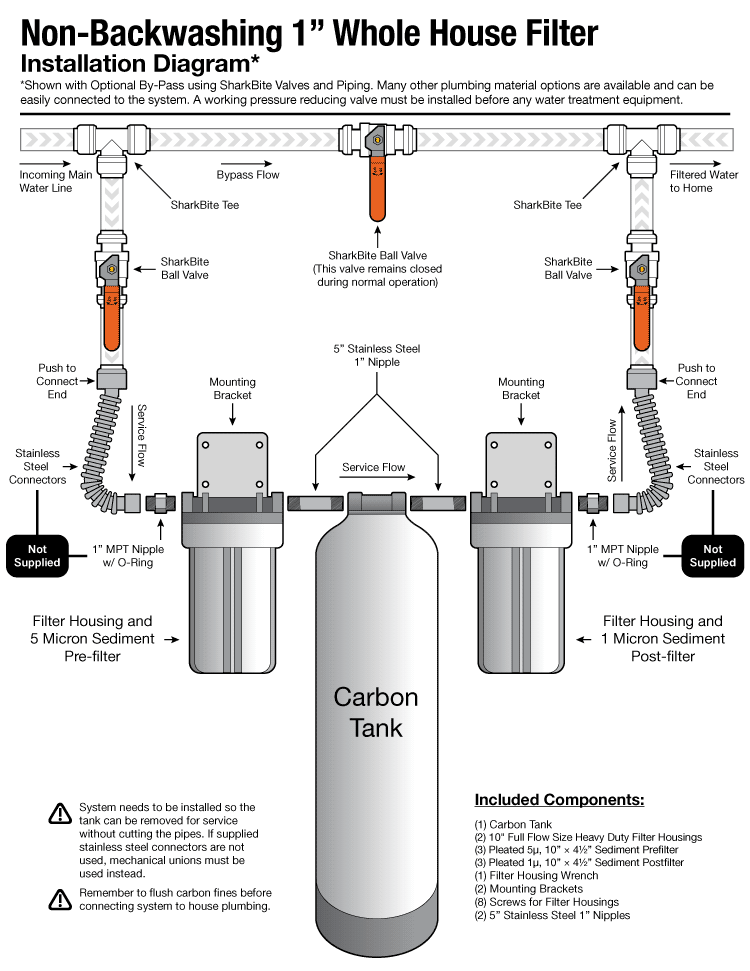
If multiple baths happen daily, whole-house filtration pays off in 4 years. Prioritize these specs:
- Multi-stage media: Sediment pre-filter → catalytic carbon (for chloramine) → KDF → ion exchange
- NSF/ANSI 53 certification for health contaminant reduction
- 1,000,000+ gallon capacity (5–7 years for average families)
Budget options like Pure Effect’s 3-tank system ($1,600 installed) cover all taps. Avoid “chlorine-only” units—they won’t stop lead or PFAS. Installation takes 4–6 hours by a plumber but eliminates recurring cartridge costs.
Boost Detox With Bentonite Clay Soaks
After removing chlorine, supercharge your bath:
- Mix 2 tablespoons food-grade bentonite clay with ½ cup warm water in a glass jar (metal reacts with clay)
- Swirl into chlorine-free water—the negatively charged clay binds lead, mercury, and cadmium
- Soak 15–30 minutes max—longer durations risk drain clogs
Pair this with magnesium replenishment: 1 cup magnesium chloride flakes + ½ cup Himalayan salt. Studies confirm 15-minute soaks raise skin magnesium levels significantly—crucial for eczema relief.
Diagnose Problems With These Fixes
| Symptom | Instant Solution |
|---|---|
| Chlorine smell returns | Replace cartridge now—expired media won’t filter |
| Bath ball leaks around spout | Switch to shower-filter filling method |
| Water fills too slowly | Remove flow restrictor or use dual-faucet filling |
| Clay clogs drain | Flush with ½ cup baking soda + 1 cup vinegar |
Never ignore recurring issues—bypassed filtration exposes you to unfiltered contaminants. Set phone reminders labeled “Bath Filter Check” every 90 days.
Choose Your Path in 60 Seconds
- Renter with tight budget? → Vitamin C powder ($15) + test strips
- Baby with eczema? → Bath ball ($45) + bentonite clay detox
- Homeowner for 5+ years? → Whole-house system ($2,000) + magnesium soaks
- Well water with rust? → Water softener + KDF bath ball combo
Final Takeaway: Learning how to filter bath water isn’t a luxury—it’s a 5-minute health upgrade with immediate skin and respiratory benefits. Start with a $15 chlorine test strip, match your solution to the results, and implement your fix today. Within one bath, you’ll notice softer skin, no chemical smell, and the true relaxation your tub was meant to deliver. Your next soak shouldn’t feel like a science experiment—it should feel like nature intended.