Should We Filter Tap Water? Pros and Cons
This post contains affiliate links. As an Amazon Associate, we earn from qualifying purchases.
That morning glass of tap water might look pristine, but invisible threats like PFAS chemicals and lead could be flowing through your pipes right now. Recent EPA actions lowering PFAS limits confirm what many health experts argue: our decades-old federal drinking water standards fail to address modern contamination risks. While municipal systems meet basic legal requirements, these outdated regulations often ignore emerging contaminants linked to serious health issues. If you’re wondering “should we filter tap water” for your family, the answer isn’t universal—it depends entirely on your specific water quality and household vulnerabilities.
Skipping professional water testing before buying filters wastes money and creates false security. Some homes need urgent filtration due to dangerous contaminants, while others with clean municipal water gain little benefit beyond better taste. This guide cuts through marketing hype with actionable steps to determine exactly when filtration becomes non-negotiable for your health. You’ll learn to decode filter certifications, avoid costly mistakes, and implement targeted protection based on real data—not fear.
Test Your Water Before Buying Any Filter System
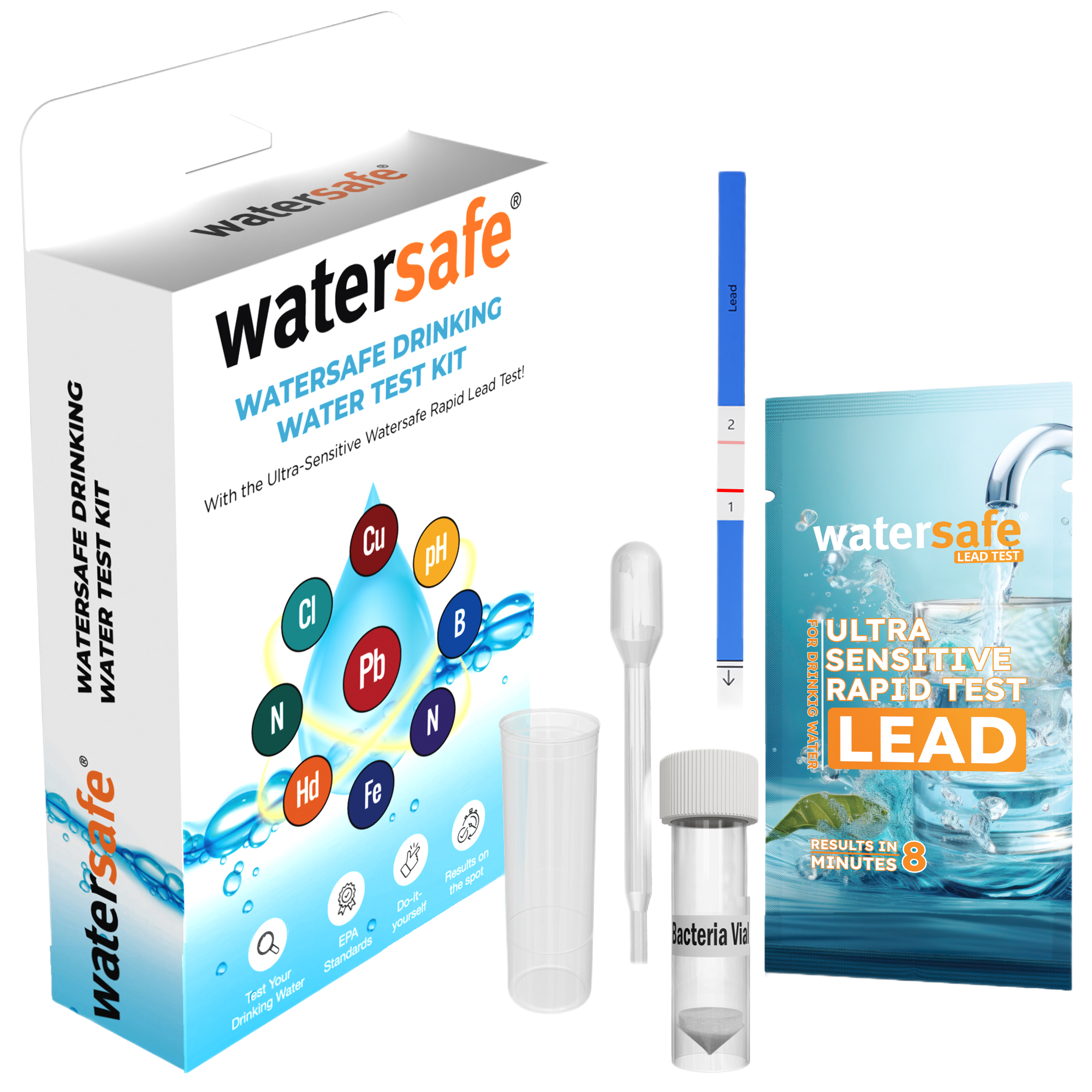
Purchasing a filter without testing your water is like guessing at medicine—you might treat the wrong problem or miss critical threats entirely. Professional testing identifies which contaminants actually require removal, preventing wasted spending on ineffective systems. Municipal water reports often omit emerging threats like PFAS that health experts increasingly warn about, while private well owners face unique risks requiring specialized checks.
Get Certified Lab Testing for Critical Contaminants
Contact your state health department for certified laboratories that test for health-threatening substances. These labs analyze samples for specific dangers like lead pipes leaching metal, PFAS “forever chemicals” from industrial runoff, or bacteria from compromised infrastructure. Expect to pay $50-$300 depending on the scope, but this investment prevents far costlier health consequences down the line.
Prioritize these essential tests:
– Lead and copper levels (especially in homes built before 1986)
– PFAS contamination (linked to cancer and immune disorders)
– Coliform bacteria and parasites like Cryptosporidium
– Nitrate levels (dangerous for infants under six months)
Analyze Your Water Utility’s Annual Report
Public water systems must provide Consumer Confidence Reports by July 1st each year, detailing detected contaminants and their levels. Find yours on your utility’s website or by calling customer service. Don’t skip this free resource—it reveals whether your water meets legal standards or contains substances approaching dangerous thresholds.
Critical red flags in reports:
– Contaminants within 10% of maximum legal limits
– PFAS or pharmaceuticals listed as “detected”
– Recent treatment violations or boil advisories
– Unexplained taste/odor complaints from neighbors
Private Well Owners: Test Twice Yearly
If you rely on a private well or rainwater collection, you’re solely responsible for safety testing. Annual checks are mandatory, but test immediately if you notice cloudiness, metallic taste, or sulfur smells. Your county health department can identify local contamination risks—like agricultural runoff causing high nitrates or industrial sites leaking PFAS—so you test for the right threats.
Protect High-Risk Households From Silent Threats
Water contamination risks aren’t equal across all households. Immunocompromised individuals face dramatically higher dangers from pathogens that healthy people might shrug off. What seems like a minor stomach bug to you could hospitalize someone undergoing chemotherapy, making filtration decisions life-or-death for vulnerable family members.
Immunocompromised Protection Requires Special Filters
People with weakened immune systems—cancer patients, organ transplant recipients, or those on immunosuppressants—need filters certified to remove Cryptosporidium and Naegleria fowleri. Standard pitcher filters won’t cut it; these require absolute pore sizes of 0.3 microns or smaller or reverse osmosis systems. Crucially, never let immunocompromised individuals change filters—they risk direct exposure to concentrated contaminants during maintenance.
High-risk household action plan:
1. Test for parasites and bacteria immediately
2. Install NSF Standard 53-certified under-sink filters
3. Use bottled water during boil advisories
4. Schedule professional filter maintenance
Invisible Contaminants Defy Sensory Detection
Here’s what keeps water experts up at night: dangerous chemicals like lead and PFAS leave no taste, smell, or visual clues. Meanwhile, harmless sulfur compounds create rotten-egg odors that scare people into unnecessary filtration. This disconnect makes testing non-negotiable—you can’t trust your senses to gauge safety. If your water tastes fine but contains lead above 1 ppb (parts per billion), you’re risking developmental issues in children with every sip.
Select Filters That Target Your Actual Contaminants
Choosing the wrong filter wastes hundreds of dollars while providing dangerous false confidence. Pitcher filters improve taste but won’t stop lead or PFAS, while whole-house systems create plumbing risks if misapplied. Your contaminant test results must dictate the technology—not marketing claims about “99% removal.”
Point-of-Use Beats Whole-House for Most Families
Under-sink reverse osmosis systems deliver the strongest protection for drinking/cooking water at 1/5 the cost of whole-house units. They target only the water you consume, avoiding the critical mistake of removing chlorine from all household water—which allows bacterial growth in pipes. Save whole-house filters only for well water with high sediment or skin-sensitive chemical contamination.
Why point-of-use wins for safety:
– Focuses budget on kitchen drinking water protection
– Avoids plumbing bacteria risks from chlorine removal
– Easier to maintain proper filter replacement schedules
– Targets contaminants where health impact matters most
Match Filter Technology to Your Test Results
Activated carbon filters (pitchers/faucet attachments) remove chlorine and improve taste but fail against PFAS and viruses. For lead or PFAS, you need reverse osmosis with NSF Standard 58 certification. Bacterial threats require ultrafiltration with absolute 0.3-micron pores. Always verify claims against NSF’s online database—marketing terms like “advanced filtration” mean nothing without certification codes.
Decode Filter Labels to Avoid Costly Mistakes

Water filter packaging overflows with misleading claims like “purifies all contaminants.” Without understanding NSF certification standards, you’ll buy ineffective products. A filter labeled “NSF Standard 42” only improves taste—it won’t remove lead or PFAS. Real protection requires matching certifications to your specific threats.
Critical NSF Certifications Explained
NSF Standard 53 is your baseline for health protection—it confirms removal of lead, mercury, and pesticides. For PFAS, demand NSF Standard 401 verification. Reverse osmosis systems need NSF Standard 58 certification to guarantee proper membrane performance. Check NSF’s product database yourself—manufacturers often omit key limitations in small print.
Pore Size Truths for Germ Removal
“Removes 99.9% of bacteria” claims are meaningless without pore size details. Absolute pore size (not “nominal”) determines real protection:
– Parasites like Giardia: Need 1-micron absolute filters
– Bacteria: Require 0.3-micron absolute filters
– Viruses: Only reverse osmosis or nanofiltration works
Pro tip: Skip any filter without absolute pore size specifications—it likely uses deceptive nominal sizing that misses dangerous particles.
Calculate True Filter Costs Beyond the Price Tag
That $30 pitcher filter seems cheap until you realize annual replacements cost $120 while providing minimal safety. Under-sink reverse osmosis systems cost $300 upfront but deliver comprehensive protection for $150/year. Whole-house units run $3,000+ with annual maintenance exceeding $500—often unnecessary unless your water test shows widespread contamination.
Budget-Friendly Protection Strategies
Start with a certified faucet filter ($25-$60) if tests show only moderate lead or chlorine issues. Replace cartridges every 3 months ($100/year) for basic protection. For serious PFAS or lead concerns, invest in under-sink reverse osmosis ($250-$400)—its 6-stage filtration removes 98% of contaminants with annual costs under $200. Never stretch filter life—expired cartridges release trapped toxins back into your water.
When Whole-House Systems Justify Their Cost
Consider whole-house filtration only if:
– Private well tests show high sediment damaging appliances
– Multiple family members have severe chemical sensitivities
– Water tests confirm widespread PFAS or heavy metals
– You live in an area with frequent boil advisories
Reality check: 85% of households don’t need whole-house systems. Focus funds on high-quality point-of-use filtration where health impact matters most.
Prevent Filters From Becoming Contamination Sources
A neglected filter becomes a breeding ground for bacteria—worse than unfiltered tap water. Expired carbon filters release accumulated lead and PFAS in concentrated bursts. Immunocompromised individuals risk direct exposure during filter changes, turning safety measures into hazards.
Non-Negotiable Maintenance Schedule
Set phone reminders for these replacement deadlines:
– Pitcher filters: Every 40 gallons or 2 months
– Faucet filters: Every 100 gallons or 3 months
– Reverse osmosis pre-filters: Every 6 months
– RO membranes: Annually
Stop using immediately if you notice:
– Reduced water flow (indicates clogging)
– Metallic taste returning
– Visible particles in filtered water
Safe Filter Change Protocol
Always wear disposable gloves when handling used filters—they concentrate toxins removed from your water. Wash hands thoroughly afterward. Immunocompromised individuals should never change filters—delegate this task or hire a professional service. Rinse new filters for 15 minutes to flush carbon dust before use.
Your Final “Should We Filter Tap Water” Decision Framework
After testing and evaluating risks, your decision crystallizes into three clear categories. This isn’t about universal rules—it’s about matching protection to your unique water chemistry and family health profile.
When Filtration Is Non-Negotiable
- Private well with any contaminant detected (annual testing mandatory)
- Households with immunocompromised members (requires NSF 53/58 filters)
- PFAS or lead above 1 ppb (demand reverse osmosis with NSF 401)
- Homes with pre-1986 plumbing (lead pipe risk)
- Areas with frequent boil advisories
When Basic Filtration Suffices
- Municipal water meeting all standards (pitcher filter for taste only)
- No vulnerable individuals in household
- Water reports show contaminants 50%+ below limits
- Primary goal is chlorine taste removal
When Skipping Filters Is Safe
- Recent professional tests show no contaminants
- Municipal water consistently exceeds safety standards
- Budget constraints prevent proper maintenance
- Short-term rental situations
Bottom line: Test first, filter second. Even a basic $30 faucet filter provides peace of mind for taste concerns, but targeted protection based on real data saves money and prevents health risks. For most families, an NSF-certified under-sink reverse osmosis system delivers optimal safety without breaking the bank—just remember to replace filters religiously. Your tap water’s true safety story lies in the test results, not the headlines.