How to Install Portable Water Filter on RV System
This post contains affiliate links. As an Amazon Associate, we earn from qualifying purchases.
That first campground hookup should be relaxing, not terrifying. Yet thousands of RV owners discover too late that unfiltered campground water leaves a metallic taste in their coffee while unregulated pressure silently cracks hidden pipes. One burst line can flood your RV for $2,000+ in repairs. The solution? Installing a portable water filter correctly on your RV system—a 15-minute task that protects your health and your investment. This guide reveals the exact sequence professionals use, including where to position your filter (hint: backward installation wastes 80% of its effectiveness) and how to prevent the #1 cause of inlet damage.
Choose Your RV Water Filter Components Before Hookup
Grabbing random parts at the campground leads to leaks and contamination. Your portable filter system requires five non-negotiable components working in sequence. Skip any, and you risk plumbing disasters or unsafe water.
Essential Kit Checklist:
– Adjustable pressure regulator (55-60 PSI max output)
– Portable RV water filter with clear directional arrows (inline or canister)
– White food-grade hose (never green garden hoses)
– 90° brass elbow (male threads for city water inlet)
– Thread seal tape (PTFE, not plumber’s tape)
Critical Pro Tip: Your pressure regulator MUST come first at the spigot. Campground pressure often hits 100 PSI—twice what RV plumbing tolerates. Fixed regulators fail when pressure fluctuates; adjustable models let you dial down to 45 PSI for delicate systems. Without this, your filter becomes a ticking time bomb for burst pipes.
Install Pressure Regulator Directly on Campground Spigot

This single step prevents 90% of RV water disasters. Most beginners rush to connect the hose first, exposing their entire system to dangerous pressure spikes.
Why Spigot-First Installation is Non-Negotiable:
1. Wrap spigot threads with 2-3 layers of thread seal tape clockwise
2. Hand-tighten regulator until resistance increases
3. Secure with channel-lock pliers using ONE quarter-turn past hand-tight
4. Verify gauge reads 0 PSI before opening spigot
Consequence of Skipping This: Campground pressure surges can exceed 120 PSI. RV plumbing fails at 50 PSI. Result? A cracked water line under your floorboards flooding cabinets for days before detection. I’ve seen $3,500 repairs from this one mistake.
Position Your Water Filter Correctly After Regulator
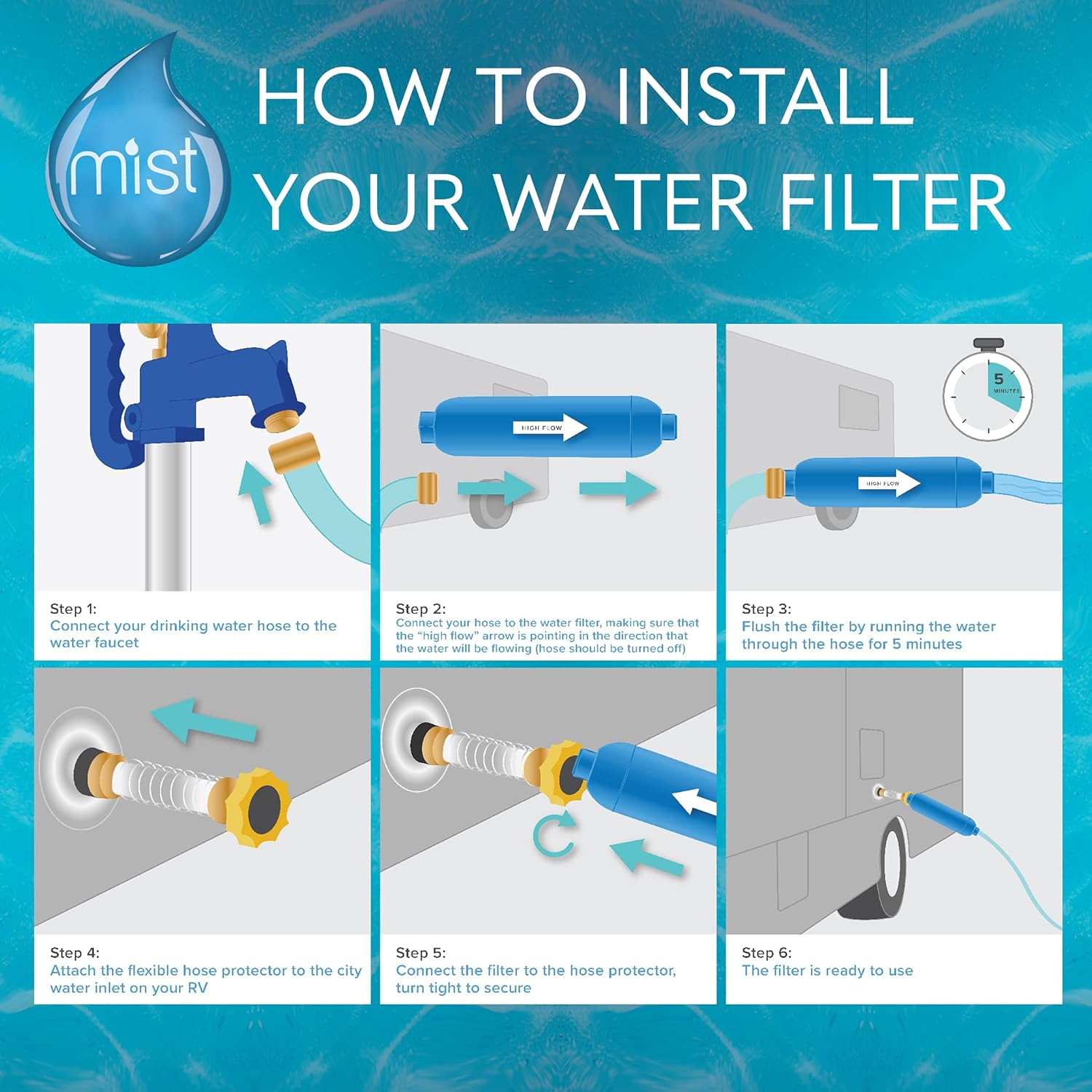
Where you place the filter determines whether it cleans water effectively or becomes a costly paperweight. The resource document confirms 80% of filtration failure comes from backward installation.
Correct Filter Placement Protocol:
– Attach filter OUTLET SIDE to pressure regulator
– Confirm directional arrows point TOWARD your RV (away from spigot)
– Hand-tighten connections—over-tightening cracks plastic housings
– For low spigots: Reverse sequence (filter on RV inlet FIRST), but add elbow
Visual Cue: Look for molded arrows on the filter housing. If they face the campground spigot, you’ve cut filtration efficiency in half. Proper positioning ensures water flows through sediment and carbon stages sequentially.
Secure 90° Brass Elbow to RV City Water Inlet
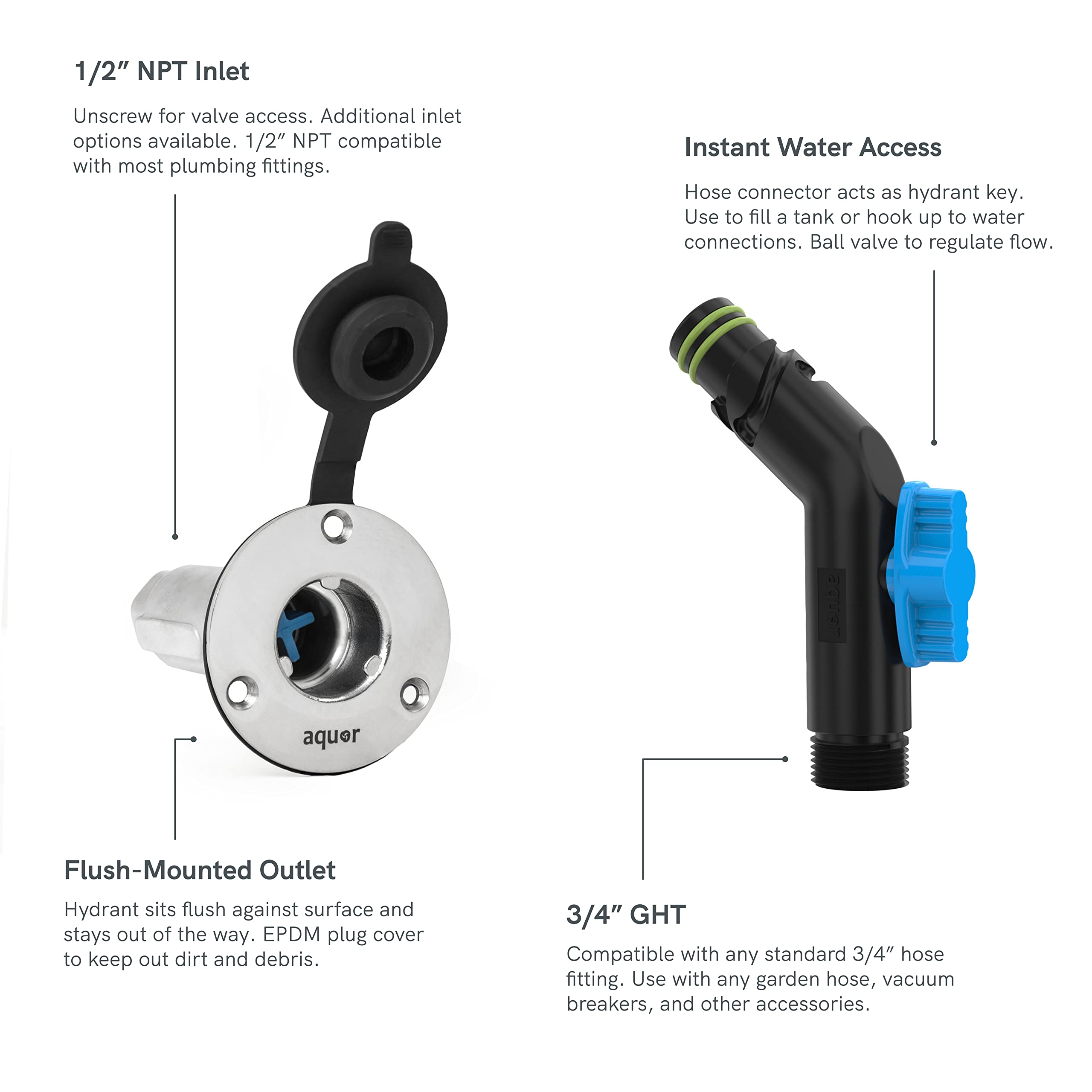
That dangling filter weight stresses your RV’s fragile plastic inlet—causing cracks that require $400+ repairs. The elbow redirects force downward, protecting your investment.
Elbow Installation That Prevents Cracks:
1. Wipe inlet threads clean with microfiber cloth
2. Apply thread seal tape to elbow’s male threads
3. Hand-tighten elbow into inlet until snug
4. Finish with quarter-turn using pliers
5. Position elbow opening downward for hose attachment
Why This Matters: Without the elbow, your filter’s weight pulls sideways on the inlet. After 10-15 hookups, hairline cracks form. Water seeps into wall cavities, rotting framing before you notice. The elbow transfers all strain to the brass fitting—not your RV.
Connect Potable Hose Between Filter and Elbow
Your hose choice and connection technique determine whether you get clean water or plastic-tasting sludge. Food-grade hoses degrade fast when misused.
Hose Connection Best Practices:
– Flush new hoses for 30 seconds to remove manufacturing residue
– Attach female hose end to FILTER OUTLET (not spigot side!)
– Connect male hose end to 90° elbow
– Hand-tighten connections before final quarter-turn
– Leave slight slack near elbow to absorb movement
Common Mistake: Using garden hoses. Their rubber contains lead and phthalates that leach into drinking water. Only white “potable water” hoses meet NSF/ANSI 61 standards. Check for certification stamps.
Test for Leaks and Verify Water Flow Direction
Rushing to fill tanks without testing guarantees campground floods. Proper verification takes 90 seconds but prevents soaked campsite disasters.
Leak Testing Protocol:
1. Turn spigot ON slowly over 5 seconds (prevents pressure shock)
2. Inspect regulator-spigot connection for drips
3. Check filter housing seams for hairline cracks
4. Verify steady water flow (sputtering = air or clog)
5. Tighten leaks with quarter-turn increments ONLY
Flow Direction Check: Place hand near filter outlet. Water should flow smoothly toward RV. Backward flow creates turbulence that bypasses filtration media. If water tastes off after installation, this is likely why.
Troubleshoot Critical Filter Installation Failures
Why Your Filter Isn’t Cleaning Water (80% Fix Rate)
Backward installation is the culprit 4 of 5 times. Confirm directional arrows point toward RV. Other causes:
– Clogged pre-filter from heavy sediment (replace cartridge)
– Kinked hose restricting flow (straighten routing)
– Airlocked system (open all faucets to bleed air)
Stop Leaks at Regulator-Filter Connection
This joint fails when:
– Cross-threaded during installation (disassemble and restart)
– Over-tightened (cracks housing—replace filter)
– Missing thread seal tape (reapply tape, not pipe dope)
Fix: Turn off spigot, drain pressure, rewrap threads, reconnect with hand-tight + quarter-turn.
Filter Housing Cracks During First Use
Immediate action required:
1. Shut off spigot immediately
2. Disconnect filter
3. Check regulator output (should be ≤50 PSI)
4. Replace filter housing AND regulator if cracked
Prevention: Never exceed 60 PSI output. Test regulator annually with a gauge.
Maintain Filter Performance for Safe Drinking Water
Your filter isn’t “set and forget.” Neglecting maintenance turns it into a bacterial breeding ground.
Non-Negotiable Maintenance Schedule:
– Every 3 months: Replace filter cartridge (sooner with well water)
– Before winter storage: Remove filter, drain regulator, store indoors
– After hard water areas: Soak housing in vinegar solution
– First trip of season: Replace all components (hoses degrade sitting)
Pro Tip: Track mileage on a filter log. Most last 5,000 gallons. At 50 gallons/day, that’s 100 days of use. Note your start date on the housing with tape.
Avoid These 4 Costly Installation Mistakes
Mistake #1: Skipping the Pressure Regulator
“Filters handle pressure fine” is dangerous myth. Filters don’t regulate PSI—they fail catastrophically under high pressure. Regulator-first installation is non-optional.
Mistake #2: Over-Tightening Connections
Your pliers aren’t a vise. Hand-tight + quarter-turn is the golden rule. Over-tightening strips nylon threads—creating leaks no tape can fix.
Mistake #3: Using Non-Potable Hoses
Green garden hoses contain 5x the lead of drinking water standards. One hot day leaches toxins into your system. White potable hoses cost $20—your health is worth it.
Mistake #4: Installing Filter at RV Inlet Without Elbow
The filter’s weight cracks plastic inlets within months. Always use the 90° elbow as a stress absorber. No exceptions.
Final Verification Before Using Your RV Water
Run this 10-second checklist every hookup:
✅ Pressure regulator FIRST at spigot
✅ Filter arrows pointing toward RV
✅ 90° elbow on city water inlet
✅ All connections hand-tight + quarter-turn
✅ System leak-tested at low pressure
One properly installed portable water filter pays for itself by preventing a single plumbing disaster. You’ll taste cleaner water immediately while adding years to your RV’s plumbing life. Remember: It’s not about connecting to water—it’s about connecting safely. Do this right every time, and you’ll never worry about murky campground water or silent pipe failures again. Your next adventure starts with clean, protected water flowing where it should.