How Effective Is a DIY Bottle Water Filter
This post contains affiliate links. As an Amazon Associate, we earn from qualifying purchases.
Picture this: You’re filling a plastic bottle with murky tap water, layering sand and charcoal like a science experiment. The promise seems simple—clean water for pennies using household items. But as water trickles through your homemade creation, a question lingers: how effective is a DIY bottle water filter for keeping your family safe?
Every week, thousands attempt this seemingly straightforward solution, drawn by YouTube tutorials and the appeal of controlling their water quality. Yet beneath the satisfying project lies a complex reality that could impact your health for years. This guide strips away the hype to reveal what these filters actually achieve—and what critical dangers they miss.
What DIY Bottle Filters Actually Accomplish
Creating a DIY water filter feels empowering until you understand what you’re actually filtering. These systems excel at one thing: making water look cleaner. Sand catches visible debris, charcoal reduces some odors, and the result appears dramatically improved. However, the effectiveness stops there.
Most homemade systems achieve approximately 50-70% reduction in visible particles and sediment. This sounds impressive until you realize that visible particles rarely pose health risks. The real dangers—dissolved lead, invisible bacteria, chemical runoff—pass through these filters unchanged.
Your carefully constructed layers cannot distinguish between beneficial minerals and toxic contaminants. Without targeted filtration media designed for specific threats, the filter operates like a net with holes too large to catch microscopic dangers.
Critical Contaminants DIY Filters Miss Completely
Bacteria and Microbial Threats
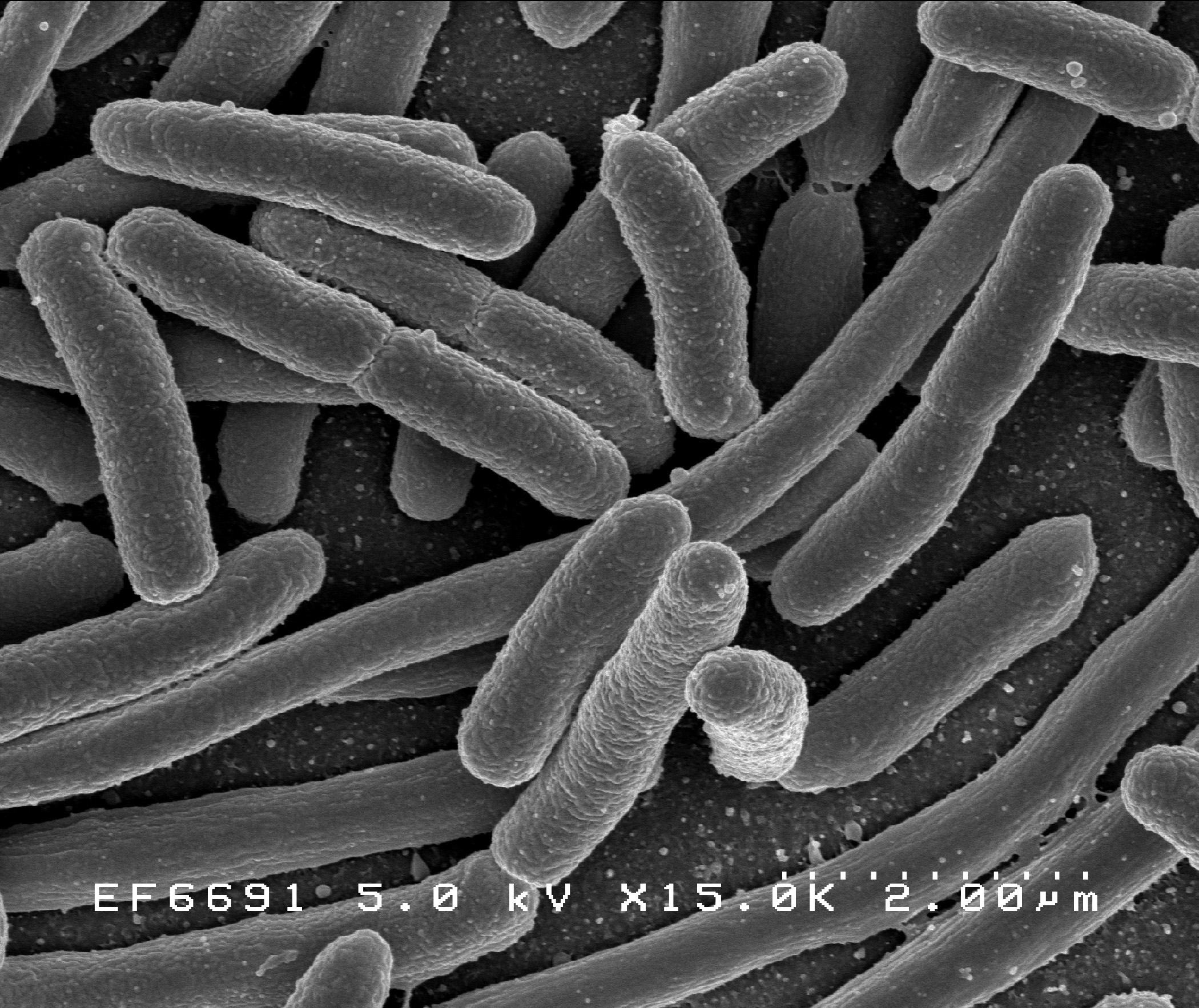
Pathogens like E. coli, Giardia, and Cryptosporidium laugh at your charcoal layers. These organisms measure 1-10 microns—small enough to slip through most DIY setups while large enough to cause severe illness. Your filter might remove 90% of visible dirt but miss 100% of invisible bacteria.
Without boiling or chemical disinfection, your DIY system provides zero protection against waterborne diseases. This creates a dangerous illusion of safety while potentially exposing you to serious health risks.
Heavy Metal Contamination
Lead, mercury, and arsenic exist as dissolved ions, not particles. No amount of sand or gravel will capture these toxins. If your home has old plumbing or you’re on well water, these metals flow straight through your DIY system into your glass.
In regions like Ohio and Michigan where lead pipes are common, DIY filters offer absolutely no protection against the very contaminants most likely to threaten your family’s health.
Chemical Contaminants
Pesticides, pharmaceutical residues, and industrial chemicals bind at the molecular level. Standard activated charcoal helps with some chemicals, but requires specific types, amounts, and contact times that DIY systems rarely achieve. Your weekend project simply can’t match engineered filtration media.
PFAS “forever chemicals,” chlorine byproducts, and agricultural runoff pass through untreated, creating invisible health hazards in your supposedly “filtered” water.
Hidden Health Risks Worse Than Unfiltered Water
Bacterial Breeding Ground
That moist charcoal layer? It’s a five-star hotel for bacteria. Within days, your filter transforms from protector to contaminator. Studies show bacterial counts can increase 1000-fold in improperly maintained DIY systems, making your water worse than when it started.
The very act of “filtering” can create conditions that exponentially increase microbial contamination. Your family might be drinking water more dangerous than the original source.
Material Leaching Dangers
Plastic bottles, especially when exposed to heat or UV light, leach chemicals like BPA and phthalates into your filtered water. Ironically, your “purification” system introduces new contaminants while failing to remove existing ones.
Every time you fill that bottle, chemicals from the container itself migrate into your drinking water, adding to rather than reducing your chemical exposure.
DIY vs Professional Filtration Systems: The Reality Check
.jpg?sw=1920&sfrm=png)
| Factor | DIY Bottle Filter | Professional System |
|---|---|---|
| Bacteria Removal | 0-5% | 99.99% (UV/RO) |
| Heavy Metals | 0% | 95-99% (RO systems) |
| Flow Rate | 1-2 oz/minute | 0.5-2 gallons/minute |
| Maintenance | Weekly complete rebuild | Annual filter change |
| Certification | None | NSF/ANSI standards |
| Cost (5 years) | $200+ materials | $300-600 total |
Performance Consistency Gap
Your DIY filter works brilliantly on day one, poorly by day seven, and becomes hazardous by day fourteen. Professional systems maintain 95%+ effectiveness for 6-12 months between service intervals. The difference isn’t just effectiveness—it’s reliable, proven effectiveness.
Without third-party testing and certification, you have no way to know if your filter is working properly or making your water more dangerous.
When DIY Might Be Acceptable (And When It Absolutely Isn’t)
Emergency Use Guidelines
Only consider DIY filters when:
– No alternatives exist (absolute last resort)
– Water source is visually clear (running stream, not stagnant pond)
– Combined with boiling (primary disinfection method)
– Short-term emergency use (1-3 days maximum)
Critical Situations Where DIY Fails
Even in survival situations, DIY filters cannot address:
– Chemical spills or industrial contamination
– Radiological contamination
– Agricultural pesticide runoff
– Heavy metal pollution from mining
If you’re in an emergency situation where water quality is questionable, boiling remains your safest option—not a DIY filter that provides false confidence.
The Testing Gap That Makes DIY Filters Dangerous
Missing Performance Metrics
DIY systems provide zero data on what they actually remove. You cannot measure:
– Contaminant reduction percentages
– Flow rates under pressure
– Filter lifespan before failure
– Total capacity limits
Without professional water testing, you’re operating blind to what contaminants threaten your health. Your local water department can provide regional testing data for under $50—money well spent compared to potential health consequences.
Maintenance Requirements That Make DIY Impractical
Weekly Replacement Reality
Your DIY filter materials require replacement:
– Charcoal: Every 2 weeks (bacteria growth)
– Sand/Gravel: Monthly (contamination buildup)
– Container: Monthly (scratch harboring bacteria)
– Cloth layers: Weekly (tearing and contamination)
Time Investment Truth
Effective DIY maintenance demands 2-3 hours weekly for complete teardown, sterilization, and rebuilding. Compare this to 15 minutes annually for professional filter changes.
The “simple” DIY project quickly becomes a time-consuming chore that most people neglect, creating dangerous conditions in their supposedly “safe” water.
Making the Right Choice for Your Family’s Health
DIY filters work for:
– Visual clarity improvement only
– Educational science projects
– Absolute emergency last resort
– Demonstrating basic filtration concepts
DIY filters fail for:
– Daily household drinking water
– Removing health-threatening contaminants
– Long-term reliability
– Verified water safety
Final Effectiveness Assessment
After examining every aspect, the verdict is clear: how effective is a DIY bottle water filter? Not effective enough to protect your family’s health. They excel at making water look cleaner and taste better, but fail catastrophically at removing invisible health threats.
The small upfront savings pale against potential health costs—from bacterial infections requiring hospitalization to long-term exposure to heavy metals or chemicals. Professional systems provide verified protection, consistent performance, and actual peace of mind.
Your family’s water safety deserves more than a weekend project. Invest in tested, certified filtration systems designed for your specific water chemistry. The question isn’t whether DIY filters work—they work exactly as designed. The real question is whether “exactly as designed” provides the protection you actually need.
Next Step: Get your water professionally tested before choosing any filtration system. Most counties offer basic testing for under $50—far less than the hidden costs of ineffective filtration. Once you know your specific water challenges, you can select a professional system that actually addresses your real needs, not just the visible symptoms.