Water Filter and Fridge Temperature: What You Need to Know
This post contains affiliate links. As an Amazon Associate, we earn from qualifying purchases.
You’ve probably never considered how your refrigerator’s water filter connects to temperature control, but a clogged or outdated filter can significantly impact your appliance’s cooling performance. When filters remain unchanged beyond their recommended lifespan, they create pressure imbalances that force your refrigerator to work harder, potentially disrupting consistent temperature maintenance throughout both fresh food and freezer compartments. This overlooked connection between water filtration and cooling efficiency explains why some users experience mysterious temperature fluctuations despite proper thermostat settings.
A saturated water filter restricts water flow to the ice maker and dispenser, causing the refrigerator’s internal systems to compensate in ways that affect overall cooling capacity. As contaminants accumulate in an aging filter, they create resistance that strains the water inlet valve and related components. This additional mechanical stress transfers throughout the system, forcing the compressor to run longer cycles to maintain desired temperatures. Understanding this relationship helps prevent food spoilage and unnecessary repair costs.
How Clogged Filters Disrupt Cooling Efficiency
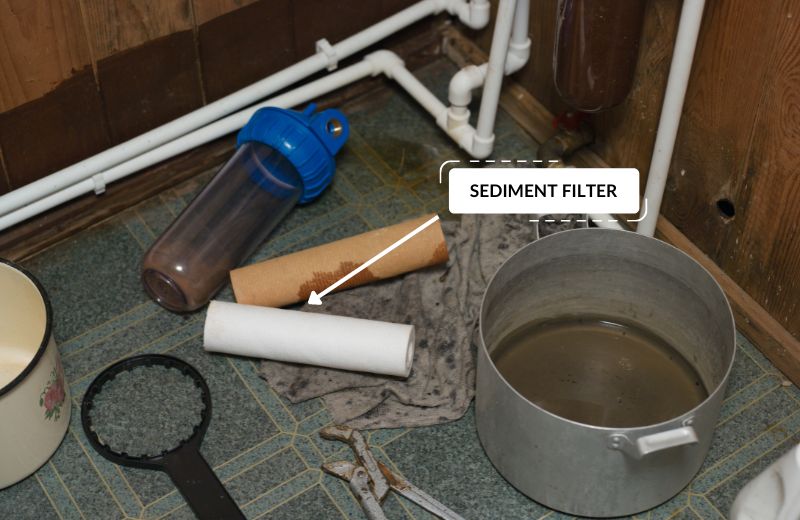
Old refrigerator water filters become clogged with sediment and contaminants over time, creating pressure imbalances that directly impact your appliance’s cooling performance. As the filter reaches the end of its lifespan, restricted water flow forces the refrigerator to work harder to deliver water to the ice maker and dispenser. This increased strain transfers to critical cooling components, causing the compressor to run longer cycles while struggling to maintain consistent temperatures.
The connection between water pressure and temperature stability becomes evident when ice production slows dramatically or water dispensers deliver noticeably warmer beverages. These symptoms indicate your refrigerator is expending extra energy to overcome filter restrictions, energy that would otherwise maintain optimal compartment temperatures. When filters remain unchanged beyond manufacturer recommendations, the resulting pressure imbalances can cause temperature fluctuations of 3-5 degrees Fahrenheit throughout the refrigerator.
Internal Component Stress Points
A clogged water filter creates cascading effects throughout your refrigerator’s mechanical systems. The water inlet valve, responsible for controlling water flow to both ice maker and dispenser, experiences excessive pressure that can lead to premature failure. As this component struggles against restricted flow, it generates additional heat within the appliance’s mechanical compartment.
This excess heat forces the condenser coils to work harder to dissipate thermal energy, further straining the cooling system. The main control board compensates for these irregular pressure readings by adjusting cooling cycles more frequently, which disrupts temperature stability. You might notice inconsistent cooling where some areas become too cold while others fail to maintain proper refrigeration temperatures.
Warning Signs of Filter-Related Temperature Issues
Your refrigerator provides several early warning signs when a clogged filter begins affecting temperature control. One of the most noticeable indicators is inconsistent ice production—smaller cubes, cloudy appearance, or significantly longer freezing times despite adequate freezer temperatures. These ice maker issues occur because restricted water flow forces the appliance to draw more energy from the cooling system.
Another red flag is warmer-than-expected water from the dispenser, even when the refrigerator feels adequately cold. If water temperature varies significantly between morning and evening usage, your filter may be causing the cooling system to prioritize water chilling over compartment temperature stability. Pay attention to unusual compressor noise or extended running times after using water or ice features, as these indicate your appliance is working overtime to compensate for filter restrictions.
Energy Consumption Impact Analysis
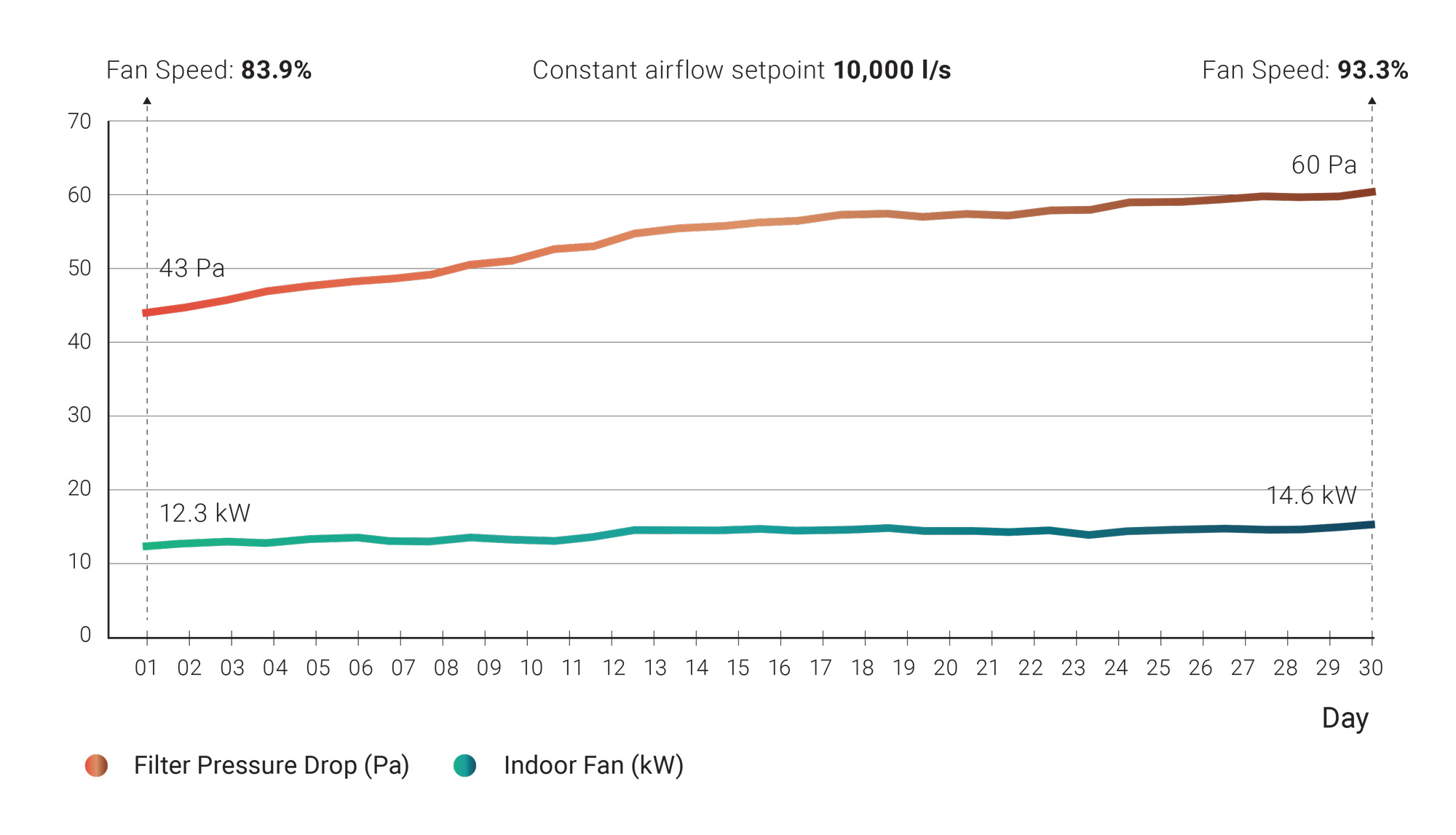
Refrigerators with clogged water filters experience significantly higher energy consumption as they struggle to maintain temperature setpoints while overcoming pressure restrictions. Research shows these appliances can require 15-25% more electricity than units with fresh filters due to extended compressor run times. This increased energy demand directly correlates with compromised temperature stability throughout the refrigerator.
Temperature Recovery Delays After Door Openings
When you open your refrigerator door or add warm items, appliances with old filters take substantially longer to return to set temperatures. This delayed recovery happens because the cooling system must simultaneously manage increased thermal load while compensating for restricted water flow. The result is inconsistent temperatures that can affect food safety and quality.
Test this by placing a thermometer in your refrigerator for 24 hours. Variations exceeding 3-4 degrees from your set temperature, particularly after normal usage patterns, suggest that filter restrictions are impacting cooling performance. These fluctuations create ideal conditions for bacterial growth in perishable foods that require consistent refrigeration.
Compressor Strain and Overheating Risks
An outdated water filter forces your refrigerator’s compressor to operate under increased stress, leading to overheating risks that further compromise temperature control. As the compressor runs longer cycles to maintain cooling, it generates additional heat that the condenser coils must dissipate. This creates a vicious cycle where the appliance works harder to cool itself while struggling to maintain interior temperatures.
Monitor your refrigerator’s cycling patterns by listening for compressor activation. If you notice the unit running more frequently or for longer durations—especially after using the water dispenser or ice maker—your filter may be the culprit behind both increased energy bills and inconsistent temperatures.
Filter Replacement Frequency Guidelines
Establishing proper filter replacement intervals prevents temperature-related issues while ensuring optimal water quality. While manufacturer recommendations typically suggest six-month replacement cycles, actual needs vary based on water quality, usage patterns, and refrigerator model specifications.
Usage-Based Replacement Schedules
Households with heavy water and ice usage should replace filters more frequently to maintain temperature stability. Families consuming more than 6-8 glasses of filtered water daily or regularly filling multiple ice trays should consider 4-5 month replacement cycles. The increased water flow demands accelerate filter saturation, creating pressure imbalances that strain cooling components.
Track your usage patterns by noting water dispenser activations and ice production volumes. This data helps establish personalized replacement schedules that prevent temperature impacts while optimizing filter investment. When filters become clogged from heavy use, they restrict water flow so significantly that the refrigerator must divert energy from cooling functions to maintain water pressure.
Water Quality Considerations
Municipal water quality significantly affects filter lifespan and refrigerator performance. Areas with hard water, high sediment content, or elevated chlorine levels require more frequent filter changes. Well water users face additional challenges from iron, sulfur, and bacterial contamination that rapidly clog filters and stress cooling systems.
Test your water quality annually using home testing kits. Results guide appropriate filter selection and replacement frequency, ensuring both water purity and optimal refrigerator performance. Poor water quality accelerates filter saturation, creating pressure imbalances that force your refrigerator to work harder, ultimately affecting temperature consistency throughout the appliance.
Preventive Maintenance Strategies
Implementing systematic maintenance prevents water filter issues from affecting refrigerator temperature control. These strategies extend beyond simple filter replacement to include comprehensive system care that maintains peak cooling efficiency throughout your appliance’s lifespan.
Monthly System Inspections
Conduct brief monthly inspections focusing on water flow rates, ice quality, and temperature consistency. Check water dispenser flow by timing how long it takes to fill a standard glass. Consistent timing indicates healthy filter performance, while increasing durations signal approaching replacement needs that could impact temperature stability.
Examine ice cubes for clarity and size uniformity. Cloudy, small, or irregular ice often precedes more serious temperature control issues, providing early warning of filter degradation. These subtle changes indicate your refrigerator is diverting cooling capacity to compensate for restricted water flow.
Temperature Monitoring Protocols
Install wireless temperature sensors in both fresh food and freezer compartments to track performance trends. Modern sensors connect to smartphone apps, providing detailed analytics that reveal subtle temperature variations linked to filter condition. Look for gradual temperature increases or wider fluctuations as indicators that filter replacement may resolve cooling issues.
Document baseline temperatures immediately after filter replacement, then monitor for deviations over subsequent months. This data creates personalized performance benchmarks that help identify optimal replacement timing before temperature impacts become severe enough to compromise food safety.
Quick Diagnostic Steps
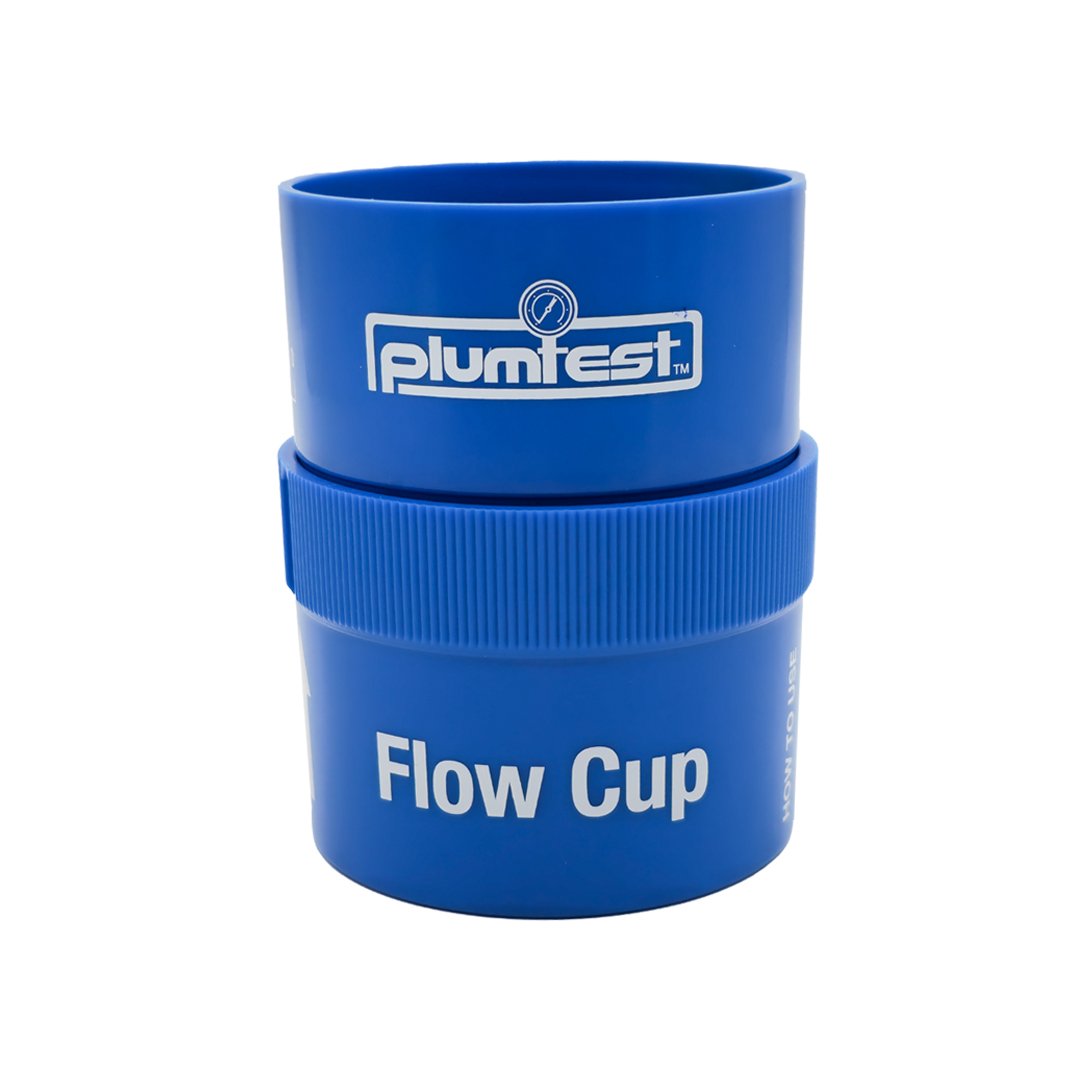
When temperature issues arise, systematic diagnosis determines whether your water filter contributes to cooling problems. These steps require minimal tools while providing reliable indicators of filter-related performance impacts.
Water Flow Rate Testing
Measure water dispenser flow rate by collecting water for exactly 10 seconds in a measuring cup. Healthy filters deliver 6-8 ounces in this timeframe. Flow rates below 4 ounces strongly suggest filter restriction affecting overall system performance. Compare results to your refrigerator’s specifications, noting any significant decreases from historical performance.
Document flow rates monthly to establish trends. Sudden decreases often indicate filter failure, while gradual declines suggest approaching replacement time before temperature impacts become severe. Restricted flow forces your refrigerator to work harder, compromising its ability to maintain consistent cooling temperatures.
Ice Production Analysis
Evaluate ice maker efficiency by tracking production time for standard ice cube trays. Fresh filters enable complete ice production cycles within 90-120 minutes under normal conditions. Extended cycles or incomplete freezing indicates filter restrictions forcing the cooling system to compensate, potentially affecting compartment temperatures.
Monitor ice quality alongside production timing. Combined analysis provides comprehensive insight into how filter condition affects both water delivery and cooling performance throughout your refrigerator. Poor ice production often correlates with temperature instability in other areas of the appliance.
Replacing your refrigerator water filter every six months prevents the pressure imbalances that disrupt temperature control and strain critical components. By monitoring water flow rates, ice production quality, and compartment temperatures, you can identify filter-related cooling issues before they compromise food safety. Establish a consistent replacement schedule based on your household’s water usage patterns and local water quality to maintain optimal refrigerator performance. This simple maintenance task saves energy, extends appliance lifespan, and ensures your food stays safely chilled at consistent temperatures—proving that sometimes the smallest components have the biggest impact on your refrigerator’s overall performance.